

Hyundai Tucson Spark Plug Replacement Guide for 2017-2024 Models
Everything you need to know before buying new spark plugs for your Tucson's engine.
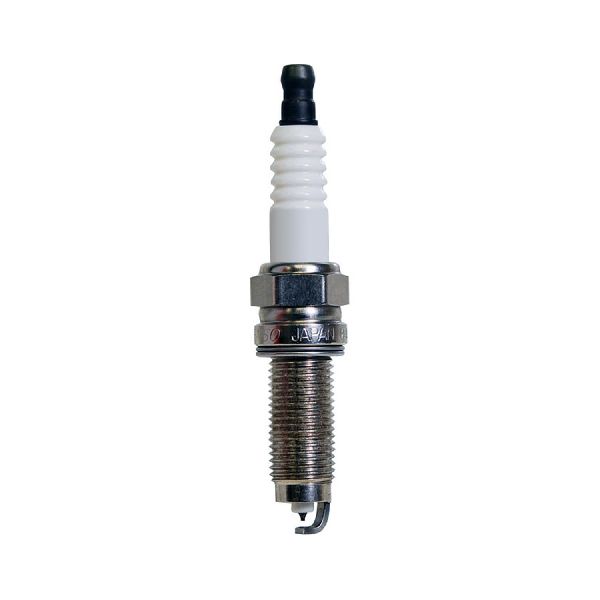
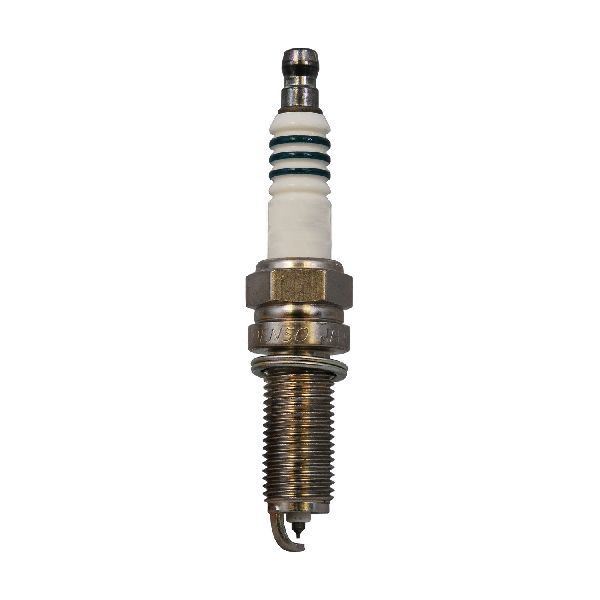
- Always use Iridium spark plugs for the 2017-2024 Tucson; NGK and Denso are OEM-equivalent choices.
- Symptoms like rough idle, poor acceleration, and a check engine light (P0300-P0304) point to worn spark plugs.
- Replacement is a simple DIY task that can save you hundreds in labor costs.
- Check your owner's manual for the specific replacement interval, as it varies from 45,000 to over 100,000 miles depending on the engine.
Is It Time for New Spark Plugs?

Worn-out spark plugs can cause a range of noticeable engine problems. If you experience one or more of these symptoms, your spark plugs are a likely culprit. Ignoring them can lead to worse fuel economy, a failed emissions test, and potential damage to other ignition components.
Common Symptoms of Failing Spark Plugs:
- Rough Idle: Your Tucson may shake or vibrate when you're stopped at a light.
- Engine Misfires: You might feel a hesitation, stumble, or jerking from the engine, especially when you accelerate. The check engine light may flash.
- Trouble Starting: The engine takes longer than usual to turn over and start.
- Poor Acceleration: The vehicle feels sluggish and lacks its usual power when you press the gas pedal.
- Worse Gas Mileage: You find yourself filling up the tank more often than you used to.
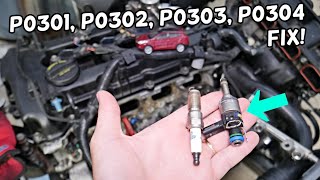
- Check Engine Light: A steady or flashing check engine light is common, often with codes like P0300, P0301, P0302, P0303, or P0304. 🎬 Watch: How to fix a rough idle and misfire codes.
OEM vs. Aftermarket Spark Plugs
When you shop for spark plugs, you'll see "OEM" and "aftermarket" options. OEM stands for Original Equipment Manufacturer. For Hyundai, the OEM spark plugs are often made by brands like NGK or Denso. This means you can buy an NGK or Denso spark plug from an aftermarket seller that is identical to the one from a Hyundai dealership, often at a lower price.
Pro Tip: All 2017-2024 Hyundai Tucson models use long-life Iridium spark plugs. Do not downgrade to older copper or platinum plug types, as this will hurt performance and they will not last as long.
Choosing the Right Aftermarket Brand

With many brands available, it's helpful to group them into tiers based on quality and reputation among mechanics and owners.
Tier 1: OEM-Equivalent & Premium Brands
- NGK: Often the original part in your Tucson. NGK Iridium plugs are a top choice for guaranteed compatibility and performance.
- Denso: Another OEM supplier for Hyundai. Denso's Iridium Long-Life plugs are engineered to meet or exceed original standards.
- Bosch: A well-respected German brand that makes high-quality Double Iridium plugs that are a great alternative to OEM.
Tier 2: Reliable Aftermarket Brands
- Champion: A long-standing American brand offering reliable Iridium plugs that provide good performance for their price.
- Autolite: Known for their Iridium XP line, Autolite is a solid choice that offers good durability and performance.
Tier 3: Economy Brands
- Skyward: This is a budget-friendly option. While it may meet the basic specifications, its long-term durability and performance history are less established compared to the brands above.
Beware of Counterfeits
Be cautious when buying top-tier brands like NGK from online marketplaces like Amazon or eBay. These platforms have a known issue with counterfeit auto parts, which can be poor quality and fail quickly. Buying from a reputable auto parts seller is the safest choice.
How Much Does Spark Plug Replacement Cost?

The cost depends on whether you do it yourself or have a shop do the work. The job is straightforward on all 4-cylinder Tucson engines.
| Item | Cost Range |
|---|---|
| New Aftermarket Spark Plugs (Set of 4) | $17 - $125 |
| New OEM Spark Plugs (Set of 4) | $100 - $140 |
| Shop Labor | $100 - $250 |
| DIY Total | $17 - $125 |
| Shop Total | $117 - $375+ |
Frequently Asked Questions

When should I replace the spark plugs on my Tucson?
The replacement interval varies by engine and model year. Some owner's manuals suggest inspection or replacement as early as 45,000 miles, while others go up to 90,000-105,000 miles. Because of this wide range, it is essential to check the maintenance schedule in your owner's manual for your specific engine (e.g., 1.6L Turbo, 2.0L, 2.4L, or 2.5L).
Is replacing spark plugs a good DIY job?
Yes, for most people with basic tools. The spark plugs on all 2017-2024 Tucson engines are easily accessible on top of the engine. The job requires removing the engine cover, unplugging the ignition coils, and using a socket wrench with an extension and a 5/8" spark plug socket. It's a great way to save over $100 in labor costs.
🎬 See this step-by-step walkthrough for changing plugs and coils.Do I need to gap the new spark plugs?
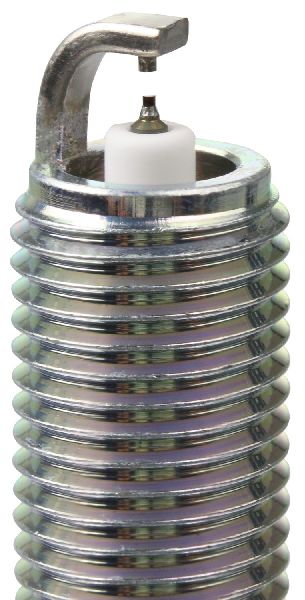
Generally, no. High-quality Iridium spark plugs from brands like NGK and Denso come pre-gapped from the factory for your vehicle. Attempting to gap an Iridium plug can damage its delicate fine-wire tip. It's best to confirm you bought the correct part number and install them directly out of the box.
🎬 Watch: Quick and easy spark plug replacement with part numbers.Should I replace the ignition coils at the same time?
It's not required. Unlike spark plugs, which are a routine maintenance item, ignition coils are typically only replaced when they fail. If you have a misfire code for a specific cylinder (like P0302 for cylinder 2) and a new spark plug doesn't fix it, the ignition coil is the next most likely cause. You can save money by only replacing the coil that has failed.
Helpful Videos
Technical Specifications
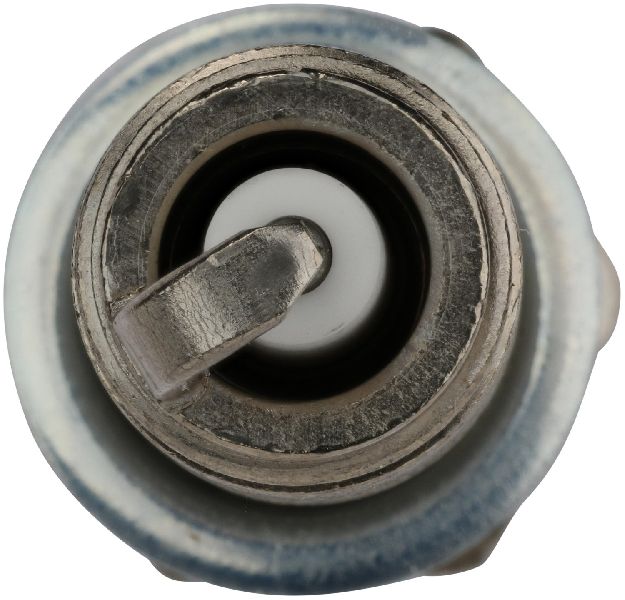
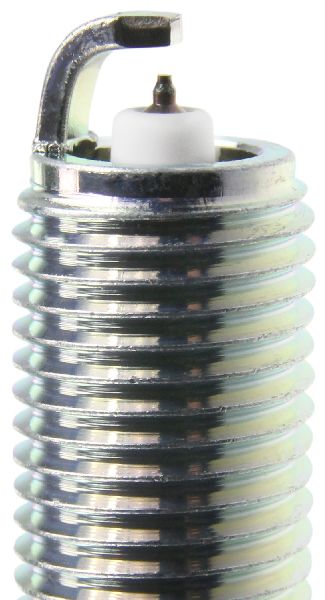
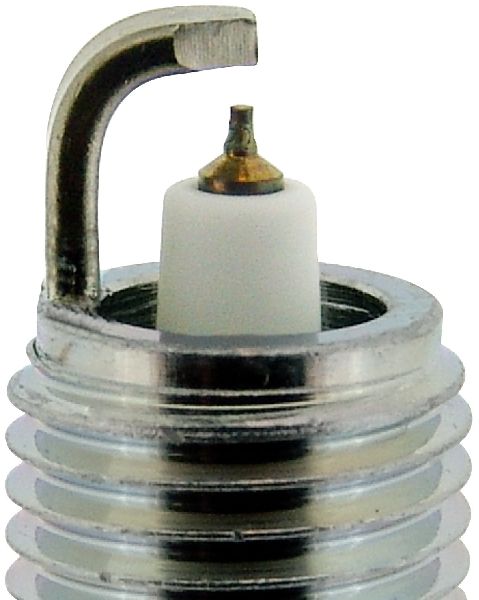
OEM Part Numbers: 18846-11070 18871-11070 18849-11070 18849-08080
Material: Iridium. Socket Size: 5/8 inch. All plugs come pre-gapped. Torque specification is approximately 18-22 ft-lbs.
We Have This Part in Stock

The information in this article is provided for general reference and educational purposes only. Vehicle specifications, procedures, and part compatibility can vary by production date, trim level, and region. Always consult your vehicle's factory service manual and verify part numbers before purchasing or performing repairs. Safety-critical components such as airbags, seat belts, and braking systems should be installed by a qualified professional.
- Hyundai Tucson: