

A Guide to Replacing Oxygen Sensors on a 2017-2024 Honda Civic
Understand the symptoms of a failing O2 sensor and how to choose the right aftermarket replacement for your Civic.
- For best results and to avoid repeat check engine lights, use an OEM-brand sensor like Denso or NTK.
- Confirm if you need the upstream (Sensor 1) or downstream (Sensor 2) part before ordering; they are not interchangeable.
- A special slotted oxygen sensor socket is required for DIY replacement to avoid damaging the wire.
- A failing O2 sensor will decrease fuel economy and can cause long-term damage to the catalytic converter if ignored.
Is Your Civic's Oxygen Sensor Failing?

A bad oxygen sensor can cause noticeable problems. The most common sign is a Check Engine Light on your dashboard. You might also notice your car is using more gas than usual, idles roughly, or hesitates when you accelerate. These symptoms occur because the engine's computer can't properly adjust the fuel mixture, leading to inefficient operation. Ignoring a failing sensor for too long can even lead to damage to your expensive catalytic converter.
Choosing the Right Aftermarket O2 Sensor for Your Civic

When it comes to electronic sensors for a Honda, quality and compatibility are key. The Civic's computer is sensitive and expects specific signals from its sensors. While OEM parts from a dealer are an option, high-quality aftermarket parts can offer the same performance for less money. Here’s a breakdown of the brands available:
Pro Tip: For modern Hondas, it's widely recommended to use an O2 sensor from the original equipment manufacturer (OEM) supplier, which is often Denso or NTK. This ensures the sensor communicates perfectly with your Civic's computer, avoiding persistent check engine lights.
- Tier 1 (OEM Supplier): Denso
Denso is a massive global parts supplier and is frequently the original manufacturer for Honda's electronic parts. Choosing a Denso sensor is the closest you can get to buying the part from a Honda dealer, without the dealer price tag. They are designed to meet the exact specifications for fit, form, and function for your Civic. - Tier 2 (Premium Aftermarket): Bosch & Walker Products
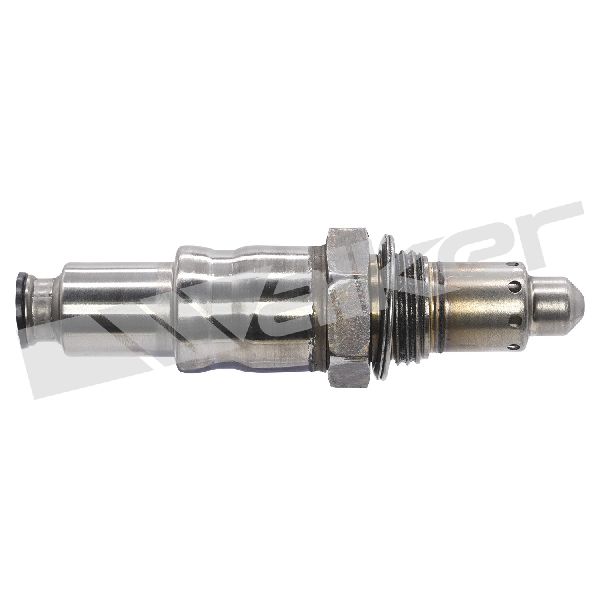
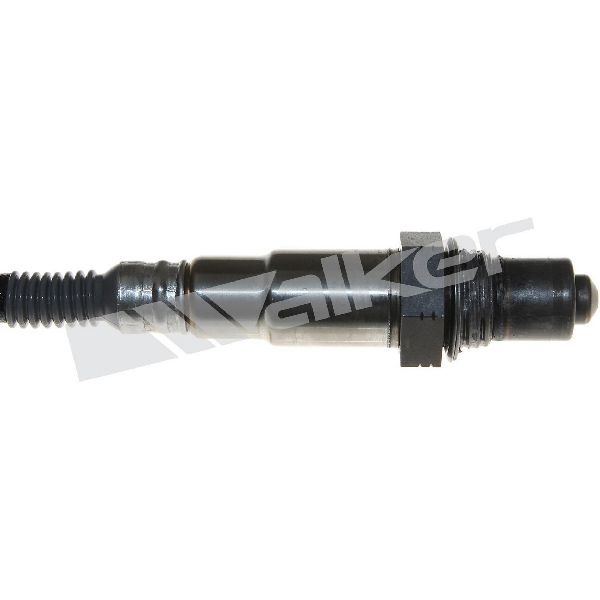
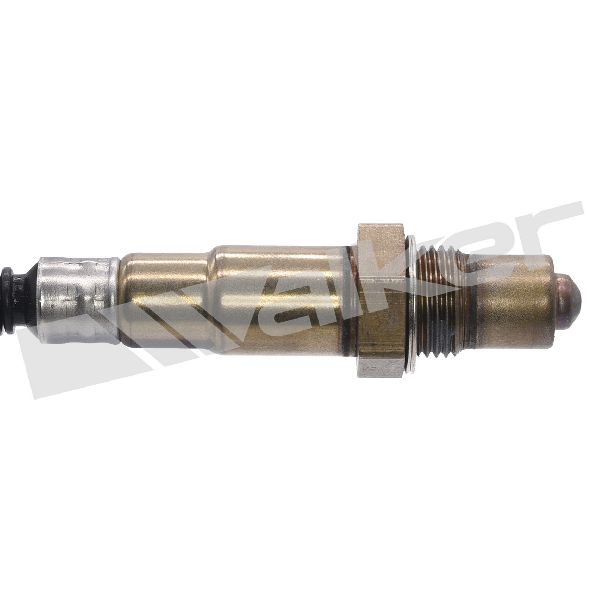
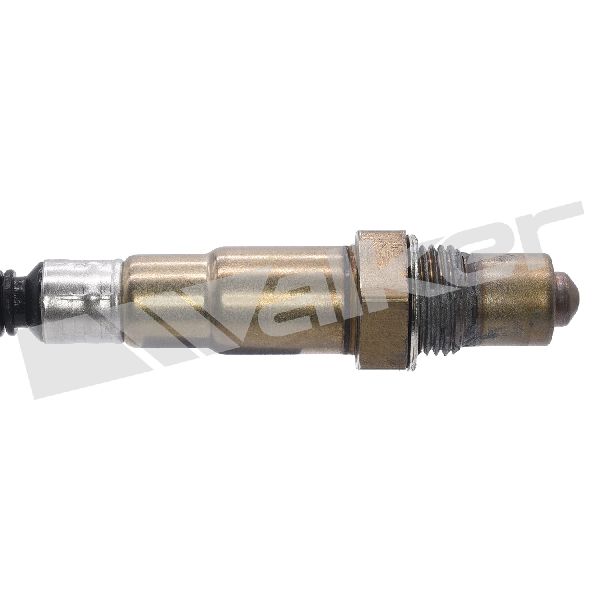
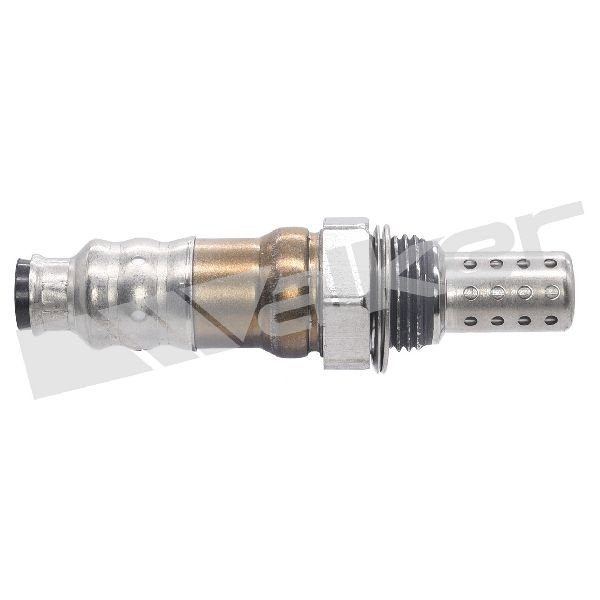
Bosch actually invented the automotive oxygen sensor and is a trusted OEM supplier for many car brands. Their sensors are known for quality and reliability. Walker Products is a well-established aftermarket brand that balances affordability with performance, and their parts are often recommended by mechanics. - Tier 3 (Budget Aftermarket): DriveWire
DriveWire is a budget-friendly brand that caters to DIYers looking for a cost-effective solution. While they can be a good value, be aware that with budget sensors, there's a higher risk of compatibility issues or shorter lifespan compared to premium brands, especially with sensitive Honda electronics.
Warning: Always confirm whether you need the upstream (before catalytic converter, also called Sensor 1 or Air/Fuel Ratio Sensor) or downstream (after catalytic converter, also called Sensor 2) sensor. They are not interchangeable. Your Civic's engine (1.5L Turbo or 2.0L) may also use different part numbers, so double-check the fitment for your specific vehicle before ordering.
Estimated Replacement Costs
The cost can vary significantly based on the brand of the part and labor rates in your area. Doing it yourself can save a lot on labor.
| Item | Estimated Cost |
|---|---|
| New Aftermarket Oxygen Sensor | $65 - $182 |
| New OEM Oxygen Sensor | $145 - $311 |
| Shop Labor | $69 - $101 |
| Total Professional Replacement (Aftermarket) | $134 - $283 |
| Total Professional Replacement (OEM) | $214 - $412 |
Frequently Asked Questions (FAQ)

How many oxygen sensors does my 2017-2024 Civic have?
Most 2017-2024 Honda Civics have two oxygen sensors: one upstream (before the catalytic converter) and one downstream (after the catalytic converter). The upstream sensor is used for air-fuel mixture control, while the downstream sensor monitors the efficiency of the catalytic converter.
What's the difference between an upstream and downstream sensor?
The upstream sensor (also called Bank 1, Sensor 1 or an Air/Fuel Ratio Sensor) is located on the exhaust manifold or just after it, before the catalytic converter. The downstream sensor (Bank 1, Sensor 2) is located after the catalytic converter. They serve different functions and are not interchangeable.
Can I clean my old oxygen sensor?
While some online sources suggest cleaning O2 sensors, it is generally not a reliable or long-term fix. The sensors fail due to internal degradation of the sensing element over time, not just because they are dirty. Replacement is the only guaranteed solution for a faulty sensor.
What tools do I need to replace an O2 sensor?
You will need a special tool called an oxygen sensor socket. This socket has a slot down the side to accommodate the sensor's wire. You will also likely need a ratchet and possibly an extension. Letting the exhaust cool completely and using penetrating oil on a stuck sensor is highly recommended.
Helpful Videos
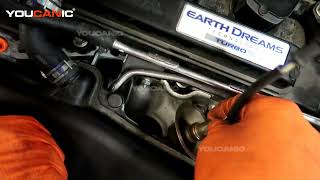
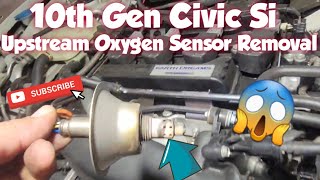
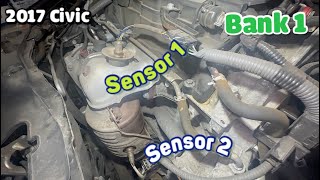

Technical Specifications
OEM Part Numbers: 36531-5K8-004 36532-5BF-A01 36531-5BA-A01 36532-5AA-A51
Your Civic uses heated, 4-wire oxygen sensors. The upstream sensor is often a wideband Air/Fuel Ratio sensor for precise fuel control, while the downstream is a standard narrowband sensor for catalyst monitoring. Connectors are vehicle-specific.
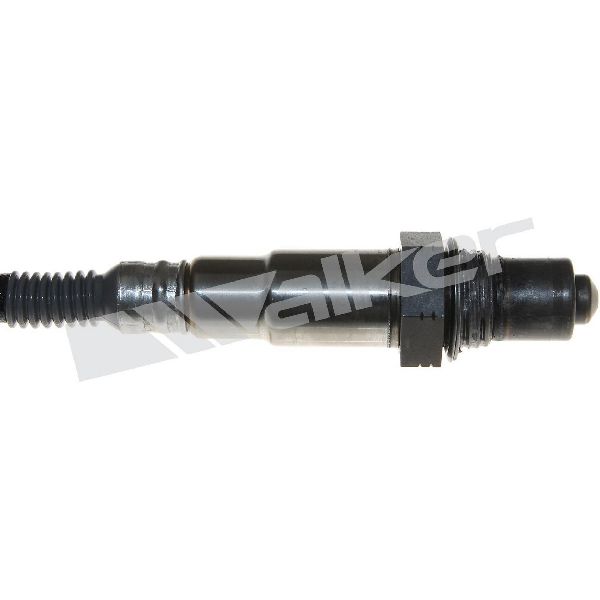
We Have This Part in Stock

The information in this article is provided for general reference and educational purposes only. Vehicle specifications, procedures, and part compatibility can vary by production date, trim level, and region. Always consult your vehicle's factory service manual and verify part numbers before purchasing or performing repairs. Safety-critical components such as airbags, seat belts, and braking systems should be installed by a qualified professional.
- Honda Civic: