

Honda Civic Engine VVT Solenoid: A Guide for 2017-2024 Models
Rough idle, poor mileage, or a check engine light on your Civic could point to a failing VVT solenoid.
- The most common cause of VVT solenoid failure is dirty or low engine oil; regular oil changes are key.
- For this part, using an OEM or a top-tier aftermarket brand like Beck Arnley or Standard Ignition is strongly recommended over cheaper alternatives.
- Replacement is a simple DIY task that can be done in under 30 minutes with basic tools, saving on labor costs.
- On some 2023-2024 Type R models, a P0011 code may be fixed with a software update from Honda, not a new part.
Is Your Civic's VVT Solenoid Failing?

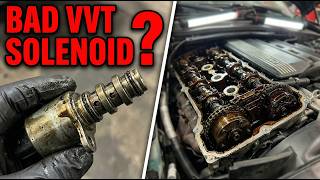
A bad VVT solenoid, also known as an oil control valve, can cause noticeable problems. Because it relies on clean engine oil to work, the most common cause of failure is dirty or low oil, which can clog its small passages. Ignoring the symptoms can lead to poor engine performance, reduced fuel economy, and potentially more expensive engine damage over time.
Common Symptoms of a Bad VVT Solenoid:
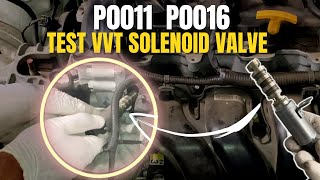
- Check Engine Light: This is often the first sign. The most common trouble codes are P0010 and P0011.
- Rough Idle: Your car may shake or feel unstable when stopped at a light.
- Poor Acceleration: The car may feel sluggish or hesitate when you press the gas pedal.
- Worse Gas Mileage: An inefficient engine burns more fuel than necessary.
- Engine Noise: You might hear a rattling or ticking sound from the engine, especially at idle.
A Note for 2023-2024 Civic Type R Owners
Honda has issued a Technical Service Bulletin (TSB 24-070) for the 2023-2024 Civic Type R regarding the check engine light with code P0011. In this specific case, the issue may be resolved with a software update from a Honda dealer rather than replacing the solenoid itself. It's wise to check for any applicable TSBs before replacing parts.
Choosing the Right Aftermarket VVT Solenoid

When it comes to a critical engine timing component, part quality matters. While many aftermarket options exist, forum discussions among Honda owners frequently warn against using cheap, unbranded solenoids, as they can fail quickly and cause the same problems to return.
Brand Quality Tiers
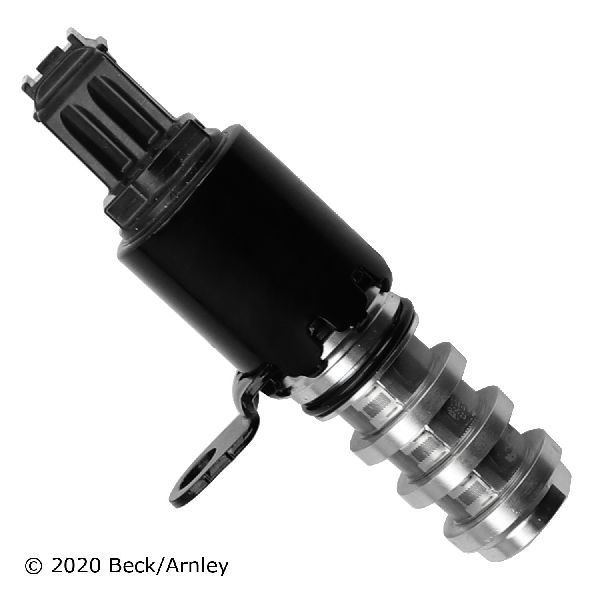
- Top Tier (Recommended): For peace of mind, choosing an OEM part from Honda is the safest bet. High-quality aftermarket brands like Standard Ignition (SMP) and Beck Arnley are also excellent choices. Beck Arnley is known for sourcing parts that match original equipment specifications for form, fit, and function.
- Mid Tier: Brands like Gates produce OE-quality replacement parts and are a reliable option for this repair.
- Economy Tier (Use With Caution): Brands like Dorman and Holstein offer a budget-friendly price point. However, owner feedback on Dorman's electronic parts is mixed, with some reporting premature failures. These parts may be a viable short-term fix, but for long-term reliability, a top-tier brand is recommended.
VVT Solenoid Replacement Cost for 2017-2024 Honda Civic

The cost can vary based on whether you do it yourself or have a shop perform the work. The replacement is considered easy and accessible for DIYers.
| Part/Service | Estimated Cost |
|---|---|
| New OEM Part | $70 - $105 |
| New Aftermarket Part | $70 - $90 |
| Shop Labor | $120 - $175 |
| Total Professional Replacement | $190 - $280 |
Pro Tip: It's an Easy DIY Job
Replacing the VVT solenoid on a 10th or 11th generation Civic is very straightforward. It is usually located on the top or front of the engine, held in by a single 10mm bolt. The job typically takes less than 30 minutes, making it a great way to save money on labor costs.
Frequently Asked Questions

Can I just clean my old VVT solenoid?
While cleaning a clogged solenoid can sometimes restore its function temporarily, it's often not a permanent fix. Given the part's importance and the relatively low cost of a quality replacement, installing a new solenoid is the most reliable solution.
Why is clean engine oil so important for this part?
The VVT solenoid is a hydraulic valve, meaning it uses pressurized engine oil to work. Dirty, old, or sludgy oil is the number one cause of failure because it clogs the tiny internal passages and filter screens, causing the solenoid to stick or fail. Using the correct oil and following Honda's recommended oil change intervals is the best way to prevent this problem.
What happens if I don't replace a bad VVT solenoid?
Ignoring a failing VVT solenoid will lead to persistent poor engine performance, bad fuel economy, and a constant check engine light. In the long run, incorrect engine timing can put extra stress on other components, potentially leading to more serious and expensive engine damage.
Are there any recalls for the VVT solenoid on the 2017-2024 Civic?
No, there are no active safety recalls for the VVT solenoid on these Honda Civic models. However, there are Technical Service Bulletins (TSBs) for related issues on specific trims, so it's always good to check with a dealer.
Helpful Videos

Technical Specifications
OEM Part Numbers: 15830-59B-004 (For 1.5L Turbo Engine) 15830-RPY-G01 (For 2.0L Engine)
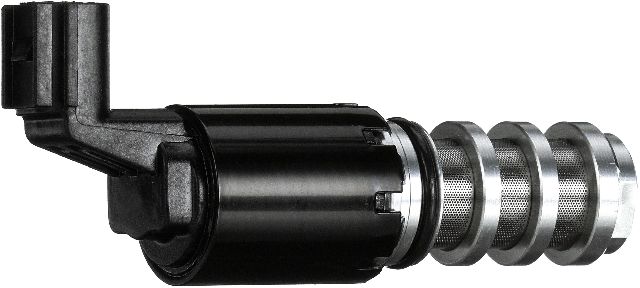
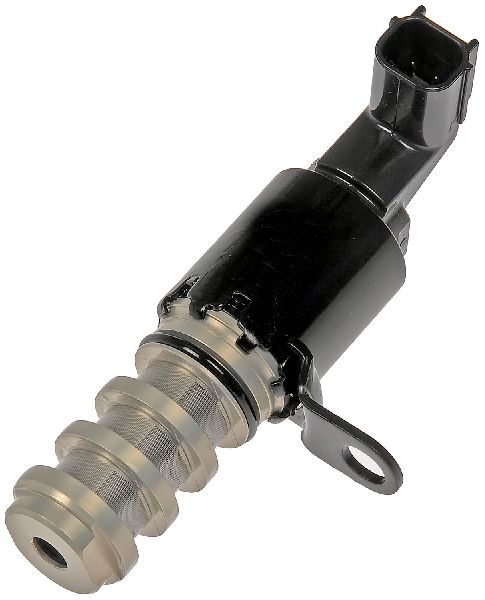
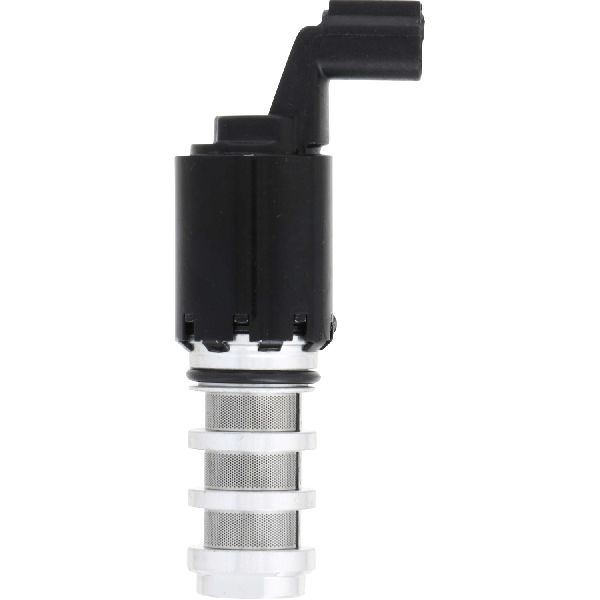
Electronically controlled oil control valve. Typically includes a new O-ring or gasket. Location is on the cylinder head, accessible from the top of the engine bay.
We Have This Part in Stock


The information in this article is provided for general reference and educational purposes only. Vehicle specifications, procedures, and part compatibility can vary by production date, trim level, and region. Always consult your vehicle's factory service manual and verify part numbers before purchasing or performing repairs. Safety-critical components such as airbags, seat belts, and braking systems should be installed by a qualified professional.
- Honda Civic: