

Guide to the 2017-2024 Audi Q7 Engine Auxiliary Water Pump
Dealing with a failing auxiliary water pump in your Audi Q7? Here’s what you need to know before you buy a replacement.
- A failing auxiliary water pump in a 2017-2024 Q7 often causes overheating at idle and poor cabin heat.
- This is a known issue across many Audi models, sometimes related to premature failure of plastic components.
- Replacement is a DIY-possible job for those with some experience, with a difficulty of 2 out of 5.
- Quality aftermarket brands like Gates offer a reliable, cost-effective alternative to more expensive OEM parts.
Is Your Audi Q7's Auxiliary Water Pump Failing?

A failing auxiliary water pump on a 2017-2024 Audi Q7 can cause several noticeable issues. Because this part is crucial for both turbocharger health and cabin comfort, ignoring the symptoms can lead to bigger problems. Recognizing the signs early can save you from more expensive repairs down the road.
Common Symptoms of Failure:
- Engine Overheating at Idle: The main symptom is the engine temperature climbing, especially in stop-and-go traffic when airflow is low.
- Inconsistent Cabin Heat: You might notice the heat from your vents is weak, fluctuates, or only works when the engine is at higher RPMs. This is a classic sign the auxiliary pump isn't circulating coolant to the heater core properly.
- Coolant Leaks: Puddles of pink or green fluid under the front of your vehicle are a clear indicator of a leak. The pump's seals can fail over time. 🎬 See how to identify a coolant leak under the engine
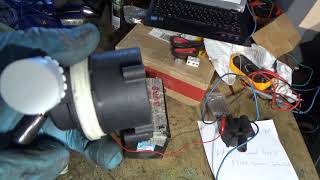
- High-Pitched Noise: A buzzing or whining sound from the engine bay, which may continue for a short time after the engine is off, can point to a failing pump motor. 🎬 Watch: How to verify and test your auxiliary coolant pump
- Check Engine Light: A failed pump can trigger fault codes, such as P261A, P261B, or P261C, illuminating the check engine light.
A Note on Audi Water Pump Issues
Audi has faced class-action lawsuits concerning premature water pump failures on various models, including the Q7 with 3.0L engines. These issues are often linked to plastic components that can degrade and fail. While no official recall specifically targets the auxiliary water pump for all 2017-2024 models, it's a known weak point for the brand. Always check for any open recalls or service campaigns for your specific VIN on the NHTSA or Audi website.
Choosing a Replacement: Aftermarket vs. OEM

When replacing the auxiliary water pump, you have a choice between Original Equipment Manufacturer (OEM) parts and aftermarket parts. Given the history of some OEM Audi pumps failing, a quality aftermarket part can be a smart and cost-effective choice.
- OEM: An OEM pump will be identical to the one your Q7 was built with. While it guarantees a perfect fit, it may also have the same potential design flaws that led to the original failure. OEM parts are typically the most expensive option.
- Aftermarket: Aftermarket brands like Gates and Four Seasons produce replacement pumps that meet or exceed OEM specifications. They are often more affordable. Gates is a well-known manufacturer of cooling system components, often trusted for its balance of value and durability. Four Seasons is also a major supplier, particularly for climate control and cooling parts. For this specific part, both are considered viable alternatives to the pricier OEM unit.
Pro Tip: Given the known issues with Audi water pumps, opting for a reputable aftermarket brand like Gates can provide OEM-level performance at a better price point. Some forum users report that Gates parts are sometimes re-boxed from other manufacturers, but they are generally considered reliable.
Cost of Replacing the Audi Q7 Auxiliary Water Pump

The total cost will depend on the part you choose and whether you do the job yourself or hire a professional mechanic.
| Part/Service | Estimated Cost |
|---|---|
| New OEM Part | $190 - $220 |
| New Aftermarket Part (Gates, Four Seasons) | $103 - $185 |
| Shop Labor | $105 - $200 |
| Total Professional Replacement (Aftermarket) | $208 - $385 |
Cost estimates are based on national averages and may vary by location and repair shop.
Frequently Asked Questions

Can I drive my Q7 with a bad auxiliary water pump?
It is not recommended. While the car may still run, a failing auxiliary pump can lead to engine overheating, especially in traffic, which risks severe engine damage like a warped cylinder head. You also risk damaging the turbocharger from improper cooling after shutdown.
Is replacing the auxiliary water pump a DIY job?
For a moderately experienced DIY mechanic, this is a feasible job. It typically involves draining some coolant, accessing the pump (which may be in the front wheel arch area), clamping hoses, and swapping the unit. It does not usually require special tools, but access can be tight. If you are not comfortable working on your cooling system, it's best to leave it to a professional.
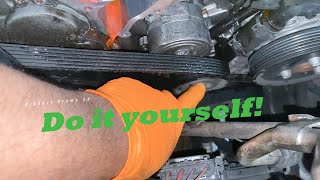
🎬 Watch this walkthrough of an Audi Q7 water pump replacementHow do I know if it's the main water pump or the auxiliary water pump?
A failing main water pump often causes more immediate and severe overheating under all driving conditions and may make a grinding noise tied to engine RPM. A failing auxiliary pump is more likely to cause overheating at idle, poor cabin heat, and may make a buzzing sound that can continue after the engine is off.
Do I need to replace any other parts at the same time?
It's a good practice to inspect the coolant hoses connected to the pump for any cracks or swelling and replace them if necessary. You will also need to top off or replace the engine coolant, so be sure to use the correct type (G13 or equivalent) for your Audi Q7.
Helpful Videos

Technical Specifications
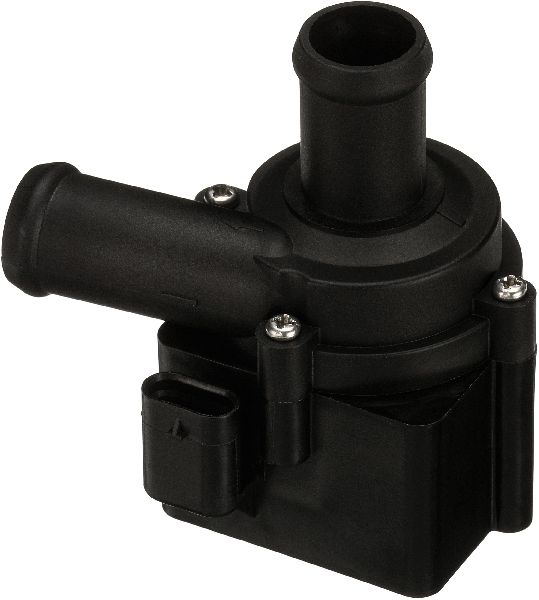
OEM Part Numbers: 4M0965567A 4M0965567 4M0965567B 04L965567
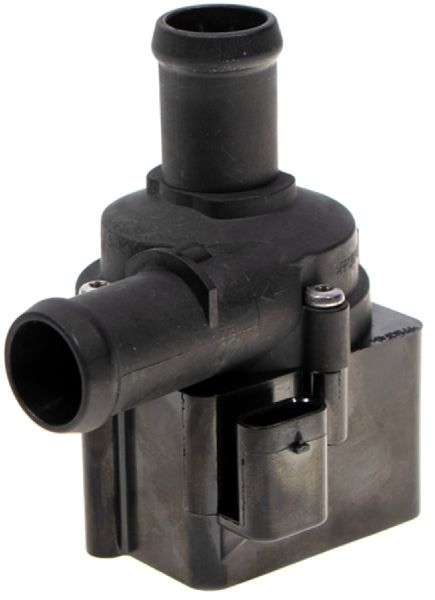
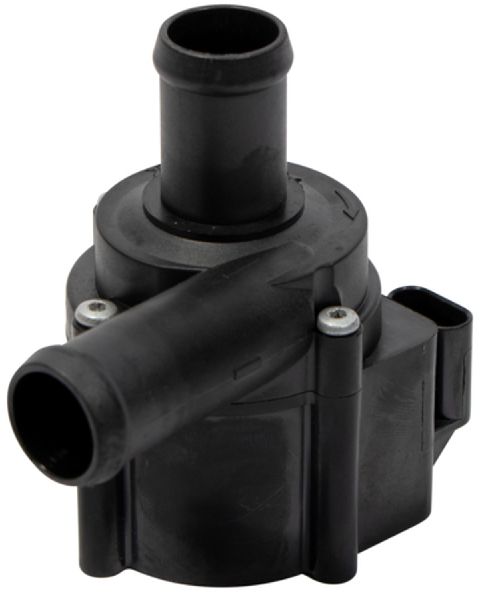
Electric pump used for supplemental coolant circulation for the turbocharger and/or HVAC system.
We Have This Part in Stock

The information in this article is provided for general reference and educational purposes only. Vehicle specifications, procedures, and part compatibility can vary by production date, trim level, and region. Always consult your vehicle's factory service manual and verify part numbers before purchasing or performing repairs. Safety-critical components such as airbags, seat belts, and braking systems should be installed by a qualified professional.
- Audi Q7: