

GMC Acadia Oxygen Sensor Replacement Guide: 2017-2023
Fix your check engine light and restore fuel economy by choosing the right oxygen sensor for your Acadia.
- A bad oxygen sensor will cause poor fuel economy, a rough idle, and will cause your Acadia to fail an emissions test.
- For 2017 models, check for a power steering fluid leak dripping on the rear O2 sensor wiring before replacing the part (TSB 18-NA-009).
- Stick with OEM-equivalent brands like ACDelco, Denso, or NGK/NTK for the best reliability and performance.
- You must order the correct sensor for the location (e.g., Upstream Bank 1, Downstream Bank 2) as they are not interchangeable.
Is a Check Engine Light on in Your Acadia?


One of the most common reasons the check engine light comes on in a 2017-2023 GMC Acadia is a failing oxygen sensor. While it might seem like a small part, a bad O2 sensor can cause noticeable problems, like worse gas mileage, a rough idle, and even damage to more expensive parts like the catalytic converter if ignored. This guide will help you understand the symptoms, choose the right aftermarket replacement, and know what to expect for repair costs.
Special Warning for 2017 GMC Acadia Owners (TSB 18-NA-009)
There is a known issue for some 2017 GMC Acadia models with the 3.6L V6 engine. A power steering fluid hose located above the engine may leak fluid directly onto the wiring for the rear oxygen sensor (Bank 1). This contamination can ruin the sensor and its connector, causing a check engine light with codes like P0131, P0132, P0171, and others. Before replacing the sensor, inspect this area carefully. If you see signs of an oily leak, the power steering hose must be replaced along with the oxygen sensor to fix the problem permanently.
Choosing the Right Aftermarket Oxygen Sensor

You don't need to buy the most expensive sensor, but you should choose a quality brand to avoid future headaches. For critical sensors like these, reliability is key. Aftermarket brands are often made by the same companies that supply GM.
Tier 1: OEM-Equivalent Brands
These brands are known Original Equipment (OE) suppliers and are trusted to provide the same fit and performance as the factory part.
- ACDelco: This is GM's own parts brand. Choosing ACDelco is the surest way to get a part that matches the original exactly.
- Denso: A massive Japanese auto parts supplier, Denso is a top choice and is often the original manufacturer for many vehicles. Their sensors are known for quality and longevity.
- NGK/NTK: Another top-tier OE supplier, NGK (under the NTK brand for sensors) is highly respected and sometimes even supplies the sensors found in the ACDelco box.
Tier 2: Quality Aftermarket Brands
These brands offer a good balance of quality and value.
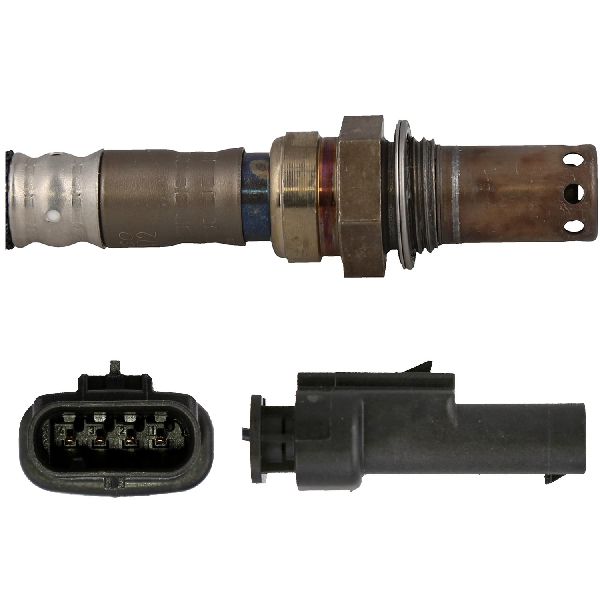
- Bosch: Bosch invented the automotive oxygen sensor and is a leading global supplier. They are generally very reliable, though some professional mechanics have noted occasional compatibility issues on specific GM vehicles.
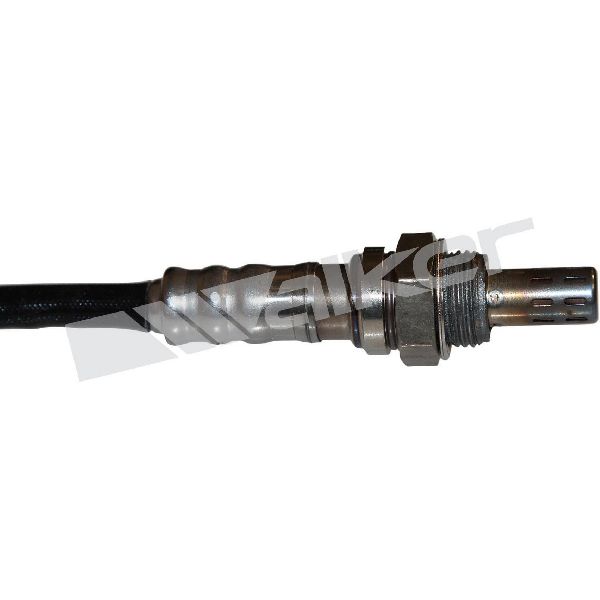
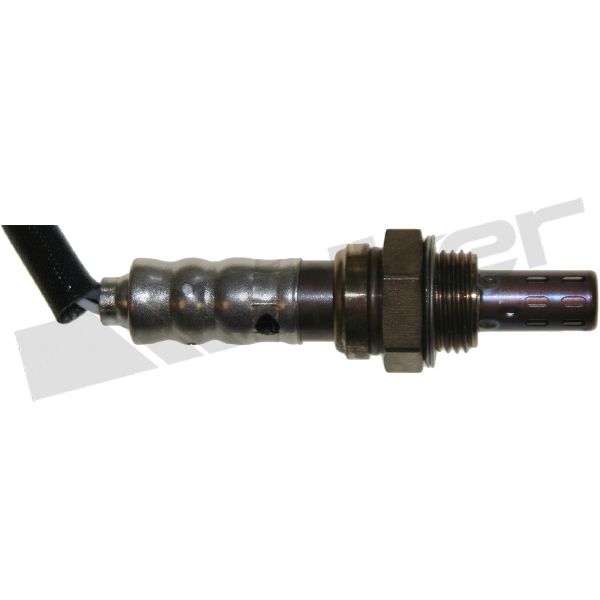
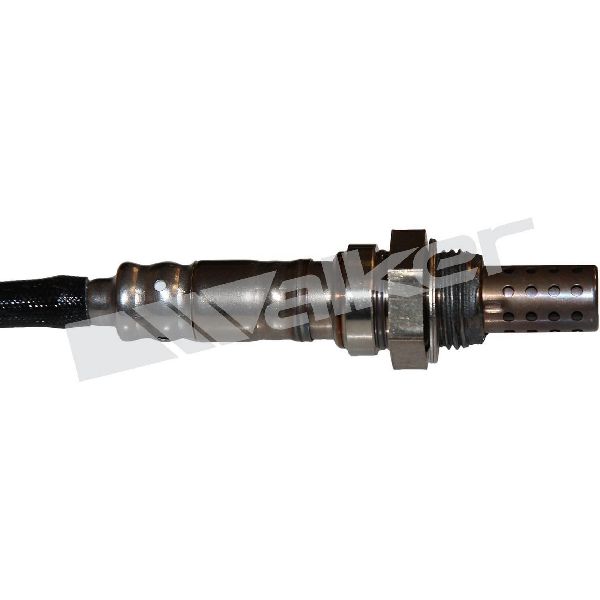
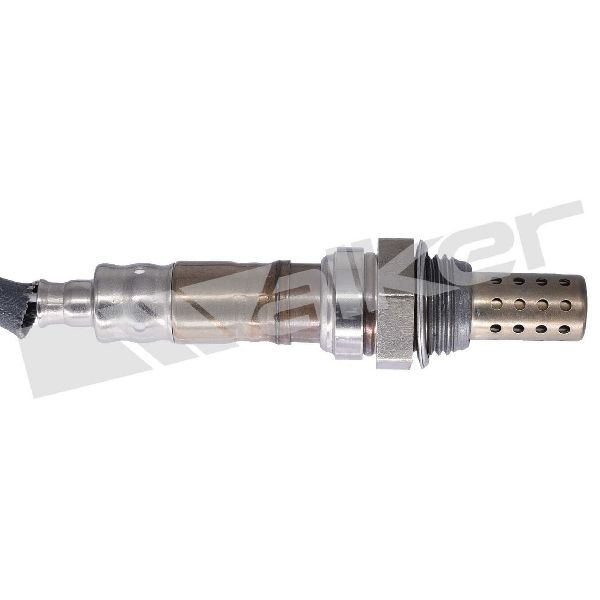
- Walker Products: This is a budget-friendly brand. While they can work, some owners report a higher chance of issues compared to OE-equivalent brands. Consider this an economy choice.
Upstream vs. Downstream Sensors
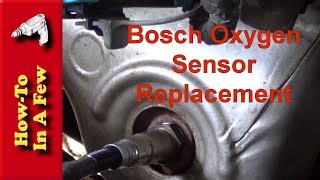
It is critical to order the correct sensor. Upstream sensors (also called Air/Fuel Ratio sensors or Bank 1/2 Sensor 1) are located before the catalytic converter and are vital for fuel control. 🎬 See how to replace an upstream oxygen sensor yourself. Downstream sensors (Bank 1/2 Sensor 2) are located after the converter and primarily monitor its efficiency. 🎬 Watch this guide on replacing a downstream oxygen sensor. They are not interchangeable. Always confirm the location you need before ordering.
How Much Does an Oxygen Sensor Replacement Cost?

The cost depends on the brand you choose and who does the work. The location of the sensor also matters; on the 3.6L V6, the rear sensor (Bank 1) is much harder to access and will have higher labor costs than the front sensor (Bank 2).
| Item | Estimated Cost |
|---|---|
| New Aftermarket Oxygen Sensor | $45 - $195 |
| Shop Labor | $75 - $450 |
| Total Estimated Cost (DIY) | $45 - $195 |
| Total Estimated Cost (Installed) | $120 - $645 |
Frequently Asked Questions

How many oxygen sensors does my 2017-2023 Acadia have?
Models with the 3.6L V6 engine have four oxygen sensors: two upstream and two downstream. The 2.5L and 2.0L 4-cylinder engines have two sensors: one upstream and one downstream.
Can I replace just one oxygen sensor?
Yes. You only need to replace the sensor that has failed. The diagnostic trouble code (e.g., P0131, P015D) will tell you which sensor is having a problem. There is no need to replace them all at once.
Is it hard to replace an Acadia oxygen sensor myself?
It depends on the location. The front-facing (Bank 2) sensor on the V6 is relatively easy to access. However, the rear-facing (Bank 1) sensor is very difficult to reach and may require removing other engine components like the intake manifold. All sensors can be difficult to unscrew from the exhaust pipe if they are rusted in place. You will need a special oxygen sensor socket to do the job correctly.
What happens if I don't replace a bad oxygen sensor?
You will continue to have poor fuel economy and performance. More importantly, driving for too long with a bad sensor can cause the engine to run too rich (too much fuel), which can overheat and destroy the catalytic converter—a much more expensive repair.
Helpful Videos
Technical Specifications
OEM Part Numbers: 12667438 12643707 12661898
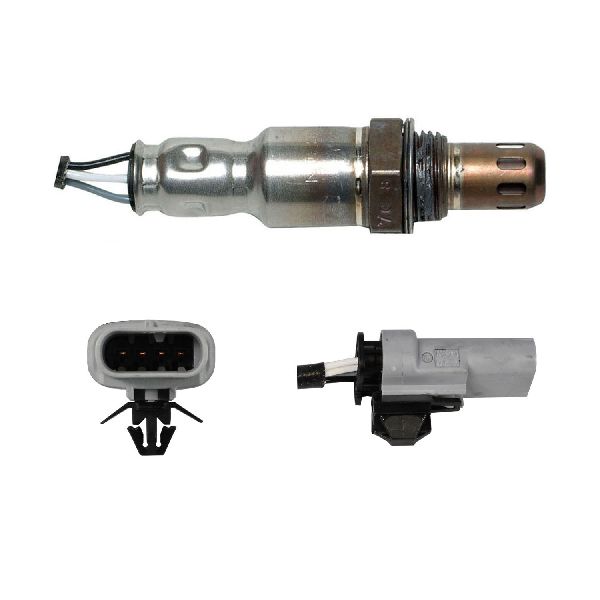
The GMC Acadia (2017-2023) uses heated, 4-wire oxygen sensors. V6 models use four sensors, while 4-cylinder models use two. Sensors are specific to their location (Upstream/Downstream and Bank 1/Bank 2) and have different wire harness lengths and connectors.
We Have This Part in Stock

The information in this article is provided for general reference and educational purposes only. Vehicle specifications, procedures, and part compatibility can vary by production date, trim level, and region. Always consult your vehicle's factory service manual and verify part numbers before purchasing or performing repairs. Safety-critical components such as airbags, seat belts, and braking systems should be installed by a qualified professional.
- GMC Acadia: