

Volkswagen Golf Engine Crankshaft Position Sensor Guide (2017-2021)
Experiencing stalling or a check engine light in your 2017-2021 VW Golf? Your crankshaft position sensor might be the culprit.
- Do not ignore symptoms like stalling or a no-start condition, as they are serious safety concerns.
- Common fault codes are P0321 and P0322, which point directly to the crankshaft sensor or its circuit.
- For best results, choose an OEM or a premium aftermarket brand like Delphi or Vemo to avoid early failure.
- While DIY replacement is possible, the sensor can be brittle and break during removal, so proceed with caution.
Is Your VW Golf Stalling or Running Rough?

A failing crankshaft position sensor is a common issue that can cause significant problems in your 2017-2021 Volkswagen Golf. This sensor, also known as an engine speed sensor, provides vital data to your engine's computer. When it starts to fail, it can disrupt your car's performance and, if ignored, could leave you stranded. Recognizing the symptoms early can save you from bigger headaches down the road.
Symptoms of a Failing Crankshaft Position Sensor

If your Golf's crankshaft sensor is going bad, you'll likely notice one or more of these signs:
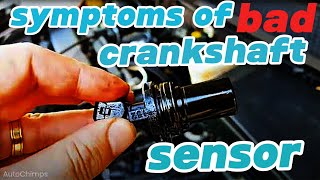
🎬 Watch a breakdown of common bad crankshaft sensor symptoms.- Check Engine Light: This is often the first warning. You may see error codes like P0321, P0322, or P0335. These codes point to a problem with the sensor's circuit or signal.
- Engine Stalling: The engine may stall unexpectedly while driving or idling. This can be dangerous, especially in traffic.
- Difficulty Starting: Your Golf might take longer than usual to start, or it may crank without starting at all. This happens because the computer doesn't have the information it needs to time the spark and fuel delivery.
- Rough Idle and Misfires: The engine may run rough, shake, or vibrate more than usual, especially when stopped.
- Poor Acceleration: You might feel a lack of power or hesitation when you press the gas pedal.
- Reduced Fuel Economy: When the engine isn't running efficiently due to bad sensor data, your gas mileage will suffer.
Known Issues, Recalls & TSBs
As of early 2026, there are no specific recalls or Technical Service Bulletins (TSBs) from Volkswagen or the NHTSA directly for crankshaft position sensor failure on the 2017-2021 Golf models. However, a recall (NHTSA 21V-321) was issued for a small number of 2017 Golfs due to incomplete compliance documentation, which required a vehicle buyback. This was not related to a specific faulty part. Always check for the latest recalls using your vehicle's VIN.
Choosing the Right Aftermarket Sensor

When replacing the crankshaft sensor, you have a choice between OEM (Original Equipment Manufacturer) and various aftermarket brands. While some forum users strongly recommend using only genuine VW/Audi parts to avoid premature failure, quality aftermarket options can offer good value.
- Premium Aftermarket (e.g., Delphi, Vemo, Hitachi): These brands often supply parts directly to automakers and are known for their quality and reliability. They are engineered to meet or exceed OEM specifications. Bremi is another brand noted for completing final testing in Germany and using OE-quality components.
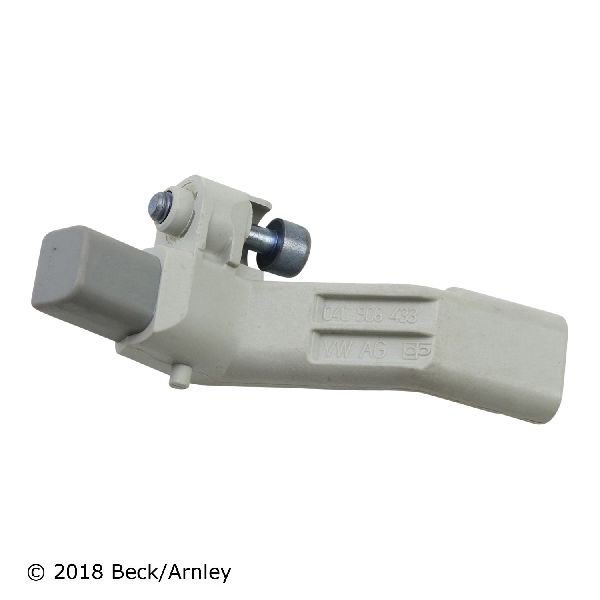
- Quality Aftermarket (e.g., Beck Arnley, Standard Ignition, Holstein): These are well-regarded brands in the aftermarket community. They provide a balance of quality and price. Holstein, for example, emphasizes using high-quality materials and offers a 3-year/36,000-mile warranty.
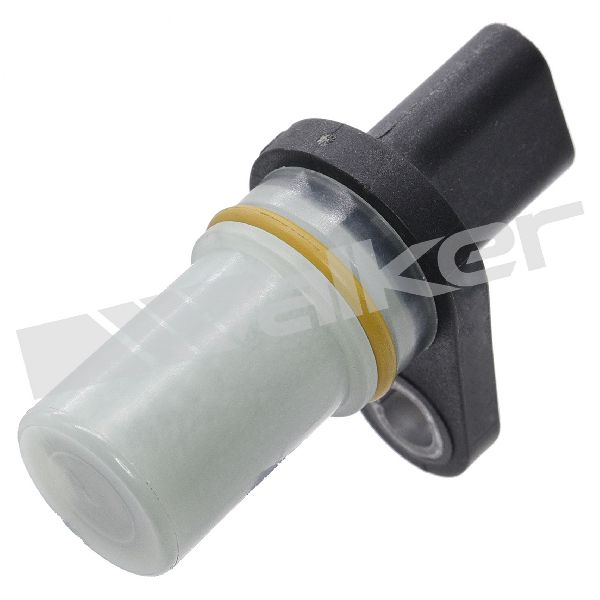
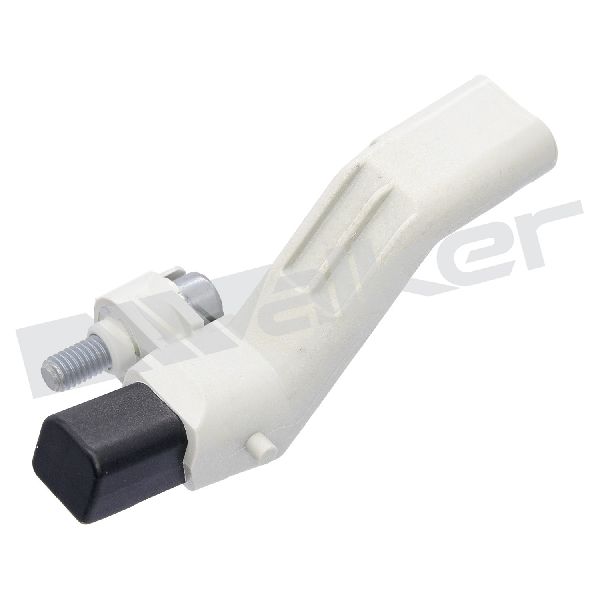
- Value Brands (e.g., Walker Products, Global Parts): These brands offer a more budget-friendly option. While they can be a good choice for a less critical repair, for a vital sensor like this, spending a little more on a brand with a stronger reputation for reliability is often a wise investment.
Pro Tip: Due to the sensor's critical function, many experienced mechanics and VW owners recommend sticking with either an OEM sensor or a premium aftermarket brand like Delphi or Vemo to ensure longevity and avoid having to do the job twice.
Cost of Replacing a Crankshaft Position Sensor
| Part Type | Estimated Cost |
|---|---|
| New OEM | $90 - $150 |
| New Aftermarket | $39 - $90 |
| Shop Labor | $100 - $200 |
Note: Prices are estimates and can vary based on your location and the specific repair shop.
Frequently Asked Questions (FAQ)

Can I drive my Golf with a bad crankshaft sensor?
It is not recommended. A failing sensor can cause the engine to stall at any time, which is a serious safety risk. If the sensor fails completely, your car will not start at all, leaving you stranded.
Where is the crankshaft position sensor located on my 2017-2021 Golf?
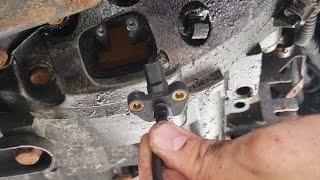
On VW's 2.0T and 1.8T TSI engines, the crankshaft position sensor is typically located on the bottom of the engine block, near the flywheel, between the engine and the transmission. Accessing it usually requires raising the vehicle and removing an undertray or splash shield.
Is replacing the crankshaft sensor a DIY job?
For a moderately experienced DIYer, this is a feasible job. It typically involves safely jacking up the car, removing a splash shield, and possibly a turbo pipe to gain access. The sensor is usually held in by a single bolt (often a 5mm Allen or a T30 Torx). However, the sensor can be brittle and sometimes breaks during removal, so care must be taken.
What do the error codes P0321 and P0322 mean?
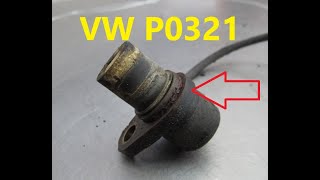
Code P0321 indicates that the engine's computer has detected an irrational or out-of-range signal from the crankshaft position sensor. Code P0322 means the computer is receiving no signal at all from the sensor. Both codes point directly to a problem with the sensor or its wiring.
🎬 Learn more about diagnosing and fixing the P0321 error code.Helpful Videos
Technical Specifications
OEM Part Numbers: 06H906433 06A906433G 03C906433E 03C906433A
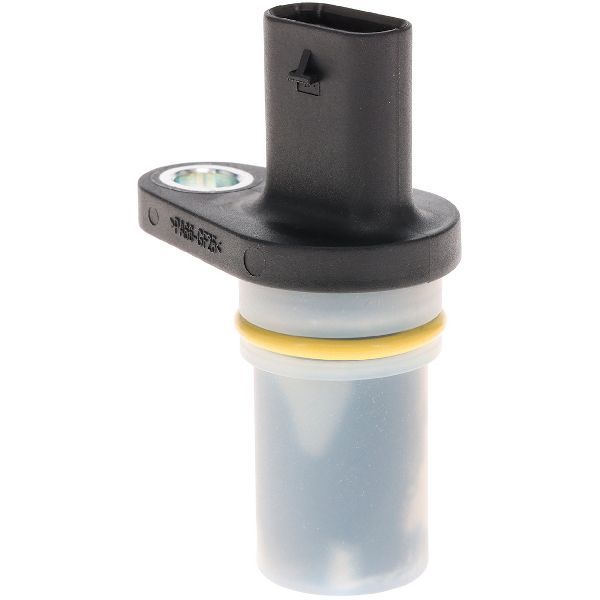
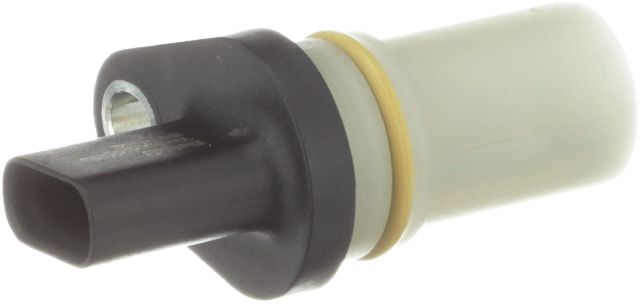
The sensor used in most modern VWs is a Hall Effect type, which uses a magnetic field to generate a digital signal for the ECU. It is typically mounted on the engine block with a single bolt and has a 2 or 3-pin electrical connector.
We Have This Part in Stock


The information in this article is provided for general reference and educational purposes only. Vehicle specifications, procedures, and part compatibility can vary by production date, trim level, and region. Always consult your vehicle's factory service manual and verify part numbers before purchasing or performing repairs. Safety-critical components such as airbags, seat belts, and braking systems should be installed by a qualified professional.
- Volkswagen Golf: