

A Guide to the Starter Motor for the 2017-2021 Hyundai Tucson
If your Tucson clicks but won't start, here's what you need to know about replacing the starter.
- A single, loud click with no engine crank is the most common sign of a failed starter.
- Before replacing the starter on a 2017 Tucson, rule out the major engine recall (Recall 209) which can also cause a no-start condition.
- Mando is the Original Equipment supplier, making it a reliable choice for a direct-fit replacement.
- DIY replacement is possible for those with intermediate mechanical skills and requires removing the air intake system for access.
Is Your Tucson's Starter Failing?

A failing starter on a 2017-2021 Hyundai Tucson usually gives clear warning signs. The most common symptom is a single, loud click or a series of rapid clicks when you try to start the engine, but nothing else happens. 🎬 Watch: See and hear common symptoms of a bad starter. This often means the starter solenoid is receiving power but the motor itself isn't turning the engine. Other signs include a slow, sluggish crank, a whirring noise without the engine engaging, or intermittent starting problems where the car starts fine one day and not the next.
Important: Check for Engine Recall First
Before you replace the starter, be aware of a critical safety recall. Hyundai issued a recall (NHTSA ID: 21V-727, Hyundai Recall 209) for some 2017 Tucson models due to premature connecting rod bearing wear. A related Technical Service Bulletin (TSB #22-01-023H-2) also addresses this issue. One of the symptoms of this engine problem is a "no crank/no start condition," which can easily be mistaken for a bad starter. If your Tucson falls in this range, contact a Hyundai dealer with your VIN to see if this recall applies to your vehicle and has been completed. Diagnosing this incorrectly could lead to buying a starter you don't need.
Choosing the Right Aftermarket Starter

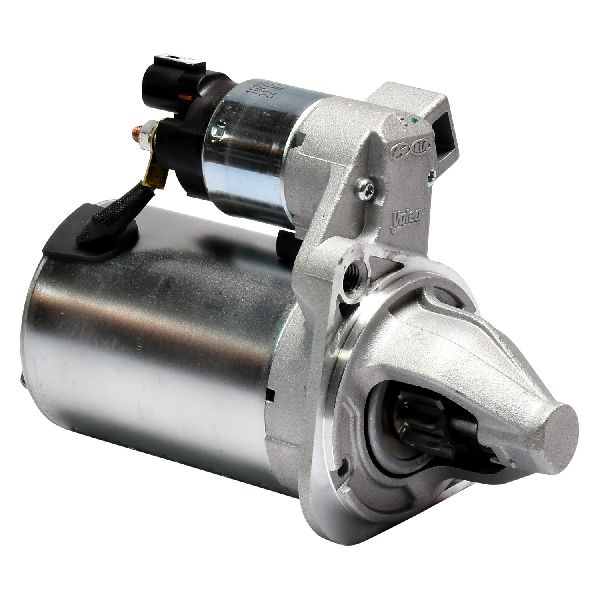
When shopping for a new aftermarket starter, you'll find different brands and types. For the Hyundai Tucson, quality matters for long-term reliability.
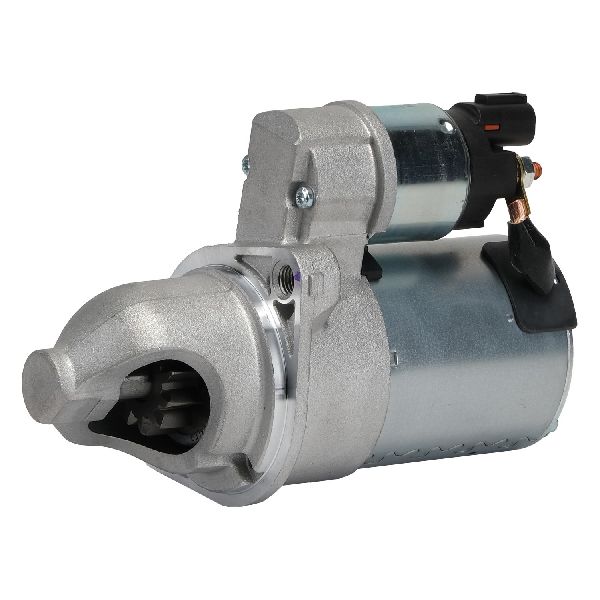
- OEM Supplier (Mando): Mando is a known original equipment (OE) supplier for Hyundai. Choosing a new Mando starter is like getting the same part that was installed at the factory, ensuring a perfect fit and original performance. This is a top-tier choice for quality and peace of mind.
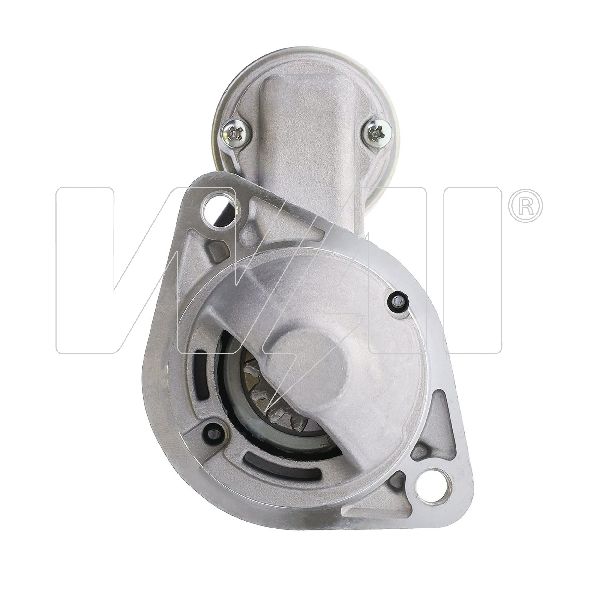
- New Aftermarket (WAI Global): Brands like WAI Global produce brand-new starters designed to meet or exceed original specifications. These are not rebuilt and contain no used components, which can lead to a longer service life compared to remanufactured options. They offer a good balance of quality and value.
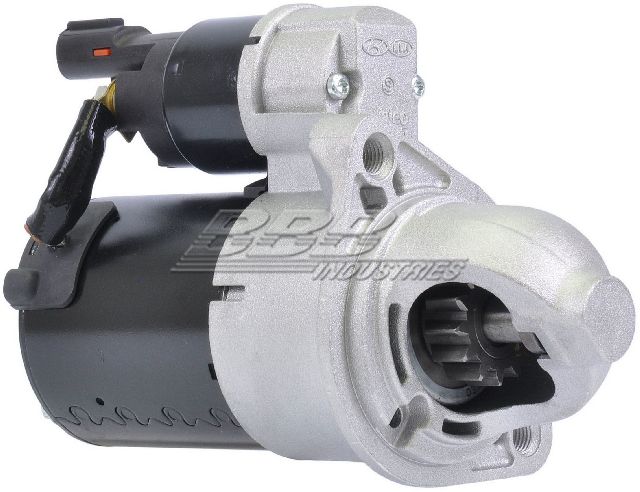
- Remanufactured Aftermarket (BBB Industries): Remanufactured starters are original units that have been taken apart, cleaned, and rebuilt with new or reconditioned components to fix common failure points. Brands like BBB Industries offer these as a budget-friendly option. While cost-effective, their lifespan can sometimes be less predictable than a completely new unit.
Pro Tip: Before replacing the starter, always check that your battery is fully charged and the battery terminals are clean and tight. A weak battery or poor connection can mimic the symptoms of a bad starter. Also, some owners have reported that a loose wire on the starter solenoid can cause intermittent starting, so it's worth checking that connection.
Starter Replacement Cost for 2017-2021 Hyundai Tucson
The cost can vary depending on the part you choose and whether you do the work yourself. The job is considered to have an intermediate difficulty level.
| Part/Service | Estimated Cost |
|---|---|
| New Aftermarket Starter | $153 - $233 |
| New OEM Starter | $310 - $465 |
| Shop Labor | $129 - $189 |
| Total Professional Replacement | $446 - $509 |
Frequently Asked Questions

Is my starting problem the battery or the starter?
If your dashboard lights are bright and don't dim when you try to start the car, and you hear a loud click, the problem is more likely the starter. If the lights dim significantly, you hear rapid clicking, or there's no power at all, the battery is the first thing you should test.
🎬 Watch: How to troubleshoot a no-crank condition on your Hyundai.Where is the starter located on a 2017-2021 Tucson?
The starter is mounted to the transmission housing, underneath the air intake system. To access it, you will need to remove the engine cover and the air intake ducting.
Could my starting problem be related to an engine recall?
Yes. For 2017 models specifically, a "no crank/no start" condition can be a symptom of a serious engine defect covered under Hyundai Recall 209. Always check with a dealer to see if your vehicle is affected before assuming the starter is the problem.
Is it hard to replace the starter myself?
It is an intermediate-level job that typically takes 1.5 to 3 hours. You will need a good set of metric sockets, extensions, and a torque wrench. The main challenge is accessing the starter, which requires removing the air intake assembly to get to the top mounting bolt and potentially working from underneath the vehicle 🎬 See this walkthrough: Replacing the starter without removing the intake. for the lower bolt. Always disconnect the negative battery cable before beginning work.
Helpful Videos
Technical Specifications
OEM Part Numbers: 36100-2B510 36100-2E200 36100-2G300 36100-2B500 36100-2B502
Voltage: 12V. Power Output: Varies by engine (1.2kW to 1.4kW). Rotation: Clockwise. Number of Teeth: Varies by part number.
We Have This Part in Stock

The information in this article is provided for general reference and educational purposes only. Vehicle specifications, procedures, and part compatibility can vary by production date, trim level, and region. Always consult your vehicle's factory service manual and verify part numbers before purchasing or performing repairs. Safety-critical components such as airbags, seat belts, and braking systems should be installed by a qualified professional.
- Hyundai Tucson: