

Chevrolet Cavalier Oxygen Sensor Guide for 2017-2021 Models
Understanding when and why you need to replace the oxygen sensor on your 1.5L Cavalier.
- A bad oxygen sensor will trigger the Check Engine Light and cause poor fuel economy, rough idling, and bad smells.
- Ignoring a failing O2 sensor can lead to costly damage to your catalytic converter.
- Aftermarket brands like Walker Products offer a reliable, cost-effective alternative to more expensive OEM parts.
- No specific recalls or TSBs for O2 sensors were found for the 2017-2021 Cavalier model.
Is Your Cavalier's Oxygen Sensor Failing?
An oxygen sensor wears out over time due to the harsh environment inside the exhaust pipe. Contaminants like oil ash or coolant can also cause it to fail prematurely. When it starts to go bad, your car's computer receives incorrect information, leading to a number of noticeable problems. Ignoring a bad O2 sensor can seem minor at first, but it can lead to expensive repairs down the road, most notably damage to the catalytic converter.
Common Symptoms of a Bad O2 Sensor
- Check Engine Light: This is the most common sign. A code reader will often show codes related to the O2 sensor circuit or fuel mixture.
- Worse Fuel Economy: If the sensor is faulty, the engine's computer may default to a rich fuel mixture, causing you to use more gas.
- Rough Idle and Misfires: Your engine may idle erratically, hesitate, or misfire because the air-fuel mixture is incorrect.
- Bad Smell from Exhaust: A failing sensor can lead to a rotten egg smell from the exhaust, which is a sign of an inefficiently burning engine and a struggling catalytic converter.
Don't Ignore a Failing Sensor
While you can drive with a bad O2 sensor, it's not recommended for long. The engine will not be running on the correct fuel mixture. This can cause it to run rich, overuse fuel, and eventually clog or destroy the catalytic converter—a much more expensive part to replace.
Choosing the Right Aftermarket Oxygen Sensor
When replacing the oxygen sensor on your 2017-2021 Cavalier, you have a choice between OEM (Original Equipment Manufacturer) and aftermarket parts. For this vehicle, the OEM brand is typically AC Delco.
- OEM (AC Delco): These are the same parts the car was built with. They guarantee a perfect fit and are known for reliability, though they come at a higher price. Some mechanics recommend sticking with OEM to avoid potential issues.
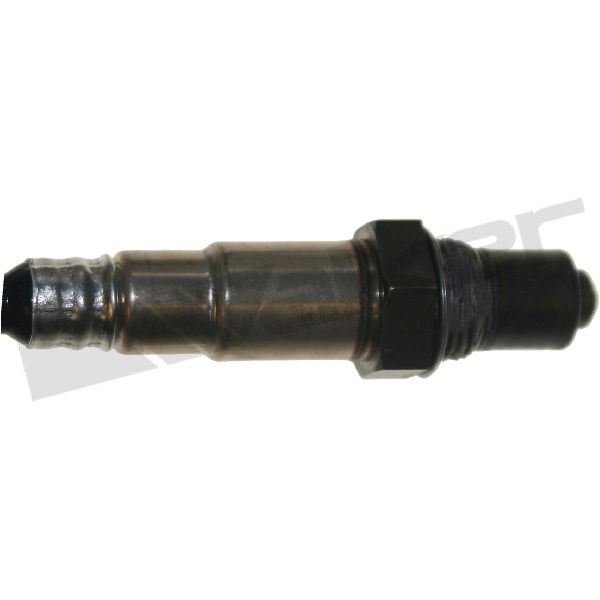
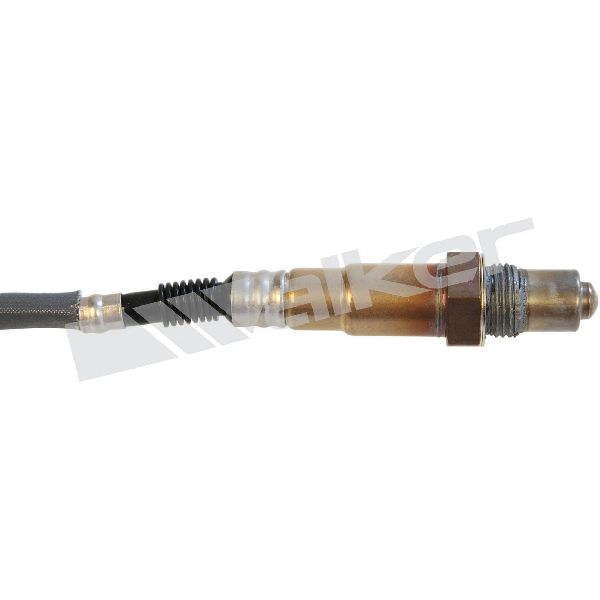
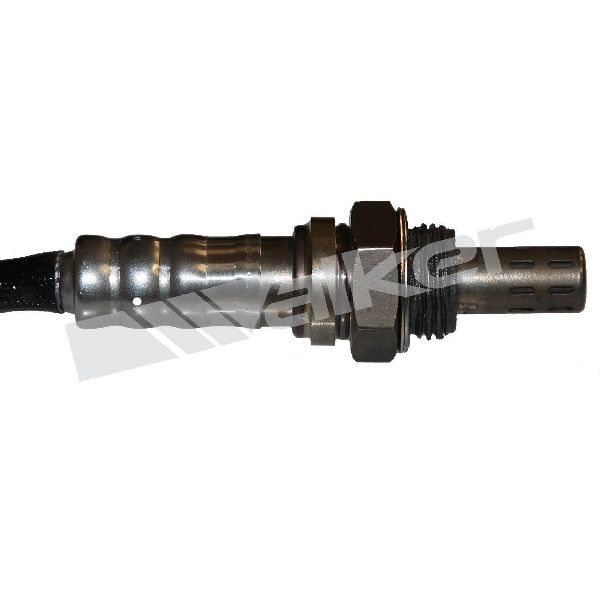
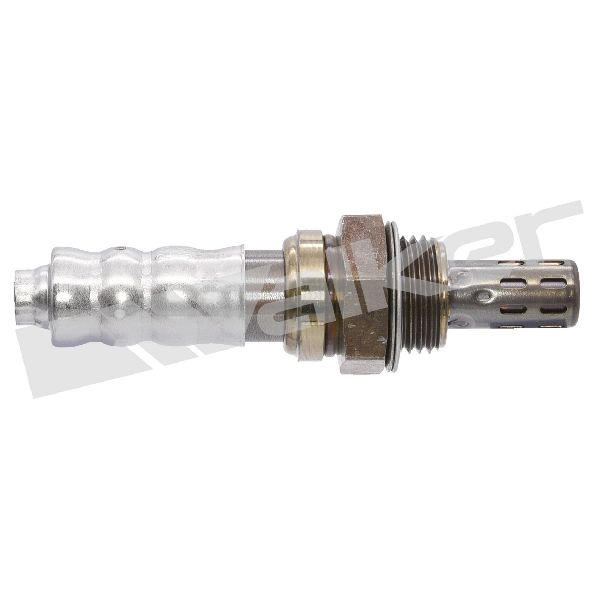
- Aftermarket (Walker Products): Aftermarket brands like Walker Products offer a balance between quality and affordability. They are designed to meet or exceed original specifications and can be a cost-effective solution. While most users have good experiences, occasional issues with aftermarket electronics can occur. Walker Products is a long-standing company known for producing fuel system components for both OEM and aftermarket use.
Pro Tip: Aftermarket sensors from reputable brands like Walker Products are a solid choice for most repairs, offering significant savings. However, if your vehicle has been sensitive to electronic parts in the past, or if you want the highest assurance of compatibility, an OEM sensor is the safest bet.
Cost of Replacing a 2017-2021 Cavalier Oxygen Sensor
The total cost depends on the parts you choose and whether you do the work yourself. The job is feasible for a DIYer with the right tools.
| Part/Service | Estimated Cost |
|---|---|
| New OEM (AC Delco) Oxygen Sensor | $120 - $200 |
| New Aftermarket (Walker Products) Oxygen Sensor | $72.61 - $102.55 |
| Shop Labor | $100 - $150 |
| Total (Shop Repair) | $172 - $350 |
Frequently Asked Questions
How many oxygen sensors does the 2017-2021 Cavalier have?
Most modern vehicles, including the Cavalier with its 1.5L engine, have at least two oxygen sensors: one "upstream" (before the catalytic converter) and one "downstream" (after the catalytic converter). The upstream sensor is the primary sensor for controlling the air-fuel mixture, while the downstream sensor monitors the efficiency of the catalytic converter.
Can I replace the oxygen sensor myself?
Yes, this is a DIY-friendly job for many home mechanics. The main challenge is often removing the old sensor, which can be seized in the exhaust pipe due to rust and heat cycles. You will need a special oxygen sensor socket that allows the wire to pass through. Soaking the sensor in penetrating oil beforehand can make removal much easier.
What are common ordering mistakes?
The most common mistake is ordering the wrong sensor. Be sure to identify whether you need the upstream (Bank 1, Sensor 1) or downstream (Bank 1, Sensor 2) sensor. They are not interchangeable. Always verify the part fitment for your specific 2017-2021 Cavalier before purchasing.
Are there any recalls for the Cavalier oxygen sensor?
Based on available search data, there are no specific recalls or technical service bulletins (TSBs) from Chevrolet or the NHTSA for oxygen sensor issues on the 2017-2021 Chevrolet Cavalier.
Technical Specifications
The 2017-2021 Chevrolet Cavalier is equipped with a 1.5L engine that uses heated, 4-wire oxygen sensors. There is at least one upstream sensor (before the catalytic converter) and one downstream sensor (after the catalytic converter). Specific OEM part numbers could not be verified from search results.
We Have This Part in Stock

The information in this article is provided for general reference and educational purposes only. Vehicle specifications, procedures, and part compatibility can vary by production date, trim level, and region. Always consult your vehicle's factory service manual and verify part numbers before purchasing or performing repairs. Safety-critical components such as airbags, seat belts, and braking systems should be installed by a qualified professional.
- Chevrolet Cavalier: