

Hyundai Tucson Manifold Absolute Pressure (MAP) Sensor Guide (2016-2025)
Understand the signs of a failing MAP sensor in your Tucson and learn how to choose the right aftermarket replacement.
- A bad MAP sensor commonly causes a Check Engine Light with code P0106, rough idle, poor acceleration, and bad fuel economy.
- Replacement is very easy for a DIYer, requiring only basic tools and about 15 minutes.
- High-quality aftermarket brands like Delphi, NGK, and Standard Ignition are reliable alternatives to the more expensive OEM part.
- Before replacing the sensor, check for simpler issues like a dirty air filter or vacuum leaks, which can cause similar symptoms.
Is Your Tucson's MAP Sensor Failing?

A bad MAP sensor can cause a range of noticeable problems in your 2016-2025 Hyundai Tucson. Because it provides crucial data for the air-fuel mixture, a failure can lead to poor engine performance that you'll likely feel while driving. Ignoring these symptoms can lead to reduced fuel economy, failed emissions tests, and potentially more stress on your engine over time.
Symptoms of a Bad MAP Sensor

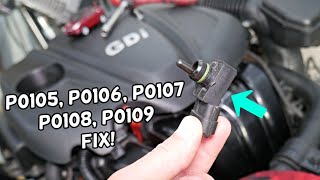
- Check Engine Light: This is often the first sign. The system will store a trouble code, commonly P0106, which points to a MAP sensor performance issue. Other related codes include P0105, P0107, P0108, and P0109.
- Poor Engine Performance: You might experience sluggish acceleration, hesitation, or a general lack of power. The engine may feel like it's struggling to keep up.
- Rough or Erratic Idle: The engine may shake, vibrate, or have an unstable RPM at idle.
- Reduced Fuel Economy: A faulty sensor can cause the engine to run too rich (too much fuel) or too lean (not enough fuel), both of which waste gasoline.
- Black Smoke from Exhaust: This is a sign of a rich fuel mixture, where unburned fuel is exiting through the exhaust.
- Stalling or Hesitation: The engine might stall when you come to a stop or hesitate when you try to accelerate.
Check for Other Issues First
Symptoms of a bad MAP sensor can be similar to other problems, like a vacuum leak or a dirty air filter. It's a good practice to check for cracked hoses or a clogged filter before replacing the sensor itself.
Choosing the Right Aftermarket MAP Sensor

For the Hyundai Tucson, you don't necessarily need to buy an expensive OEM part from the dealer. Many aftermarket brands offer reliable quality, often for a fraction of the price. However, quality can vary, so it's important to choose wisely. Forum discussions sometimes show that very cheap, unbranded aftermarket sensors can fail prematurely, so sticking with a reputable brand is a good investment.
Brand Quality Tiers
- Premium Aftermarket (OEM-Equivalent): Brands like Delphi and NGK (NTK) are often original equipment suppliers to many automakers and are known for their quality and reliability. Standard Motor Products (Standard Ignition) is another well-regarded brand that manufactures parts to meet or exceed OE specifications. These are excellent choices for a long-lasting repair.
- Quality Mid-Range: Brands like Walker Products and Holstein offer a good balance of quality and value. They focus on producing direct-fit replacement parts that are 100% tested and engineered to perform reliably.
- Economy Options: Brands such as Global Parts, Skyward, and True Tech provide budget-friendly options. While they can get your vehicle back on the road for less money, they may not have the same long-term durability as premium or mid-range brands.
Typical Replacement Costs
Replacing the MAP sensor is a straightforward job that many owners can do themselves. If you take it to a shop, the labor cost will be minimal as it's a quick replacement.
| Part/Service | Estimated Cost |
|---|---|
| New OEM Part | $150 - $200+ |
| New Aftermarket Part | $20.89 - $132.43 |
| Shop Labor | $50 - $100 |
DIY Installation is Easy
The MAP sensor on the Tucson is typically located on the intake manifold, held in by a single 10mm bolt. It's easily accessible. The process involves disconnecting the battery, unplugging the electrical connector, removing the bolt, and swapping the old sensor for the new one. This is a great repair for a beginner DIYer.
Frequently Asked Questions

Where is the MAP sensor located on a 2016-2025 Hyundai Tucson?
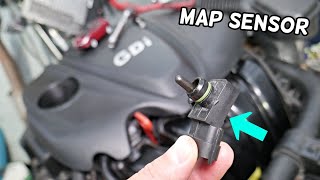
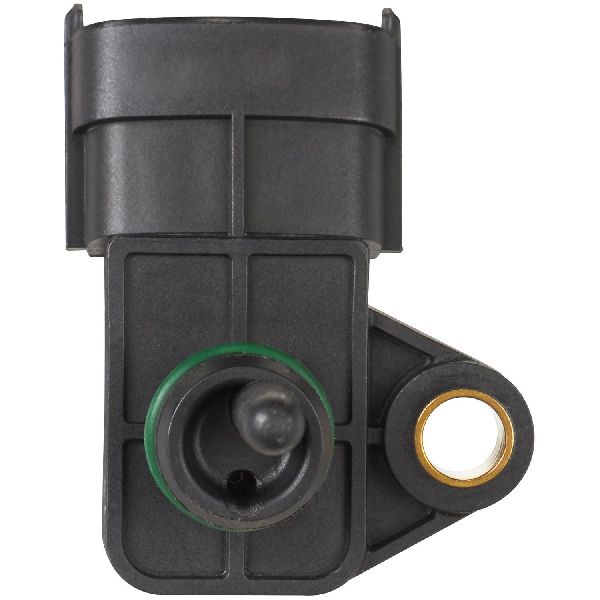
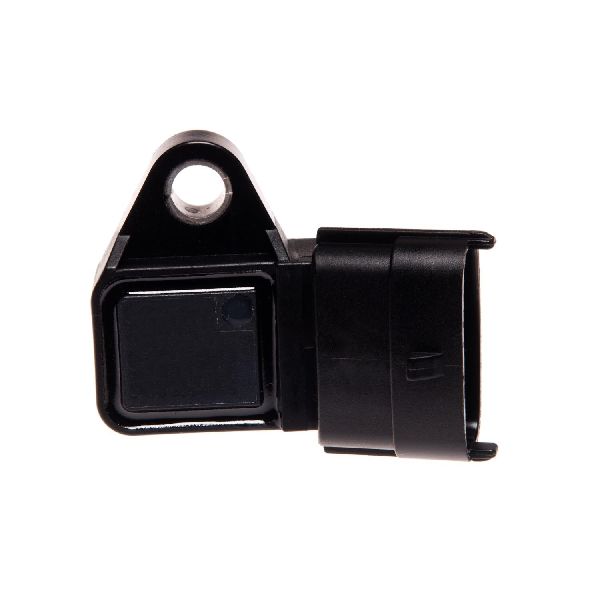
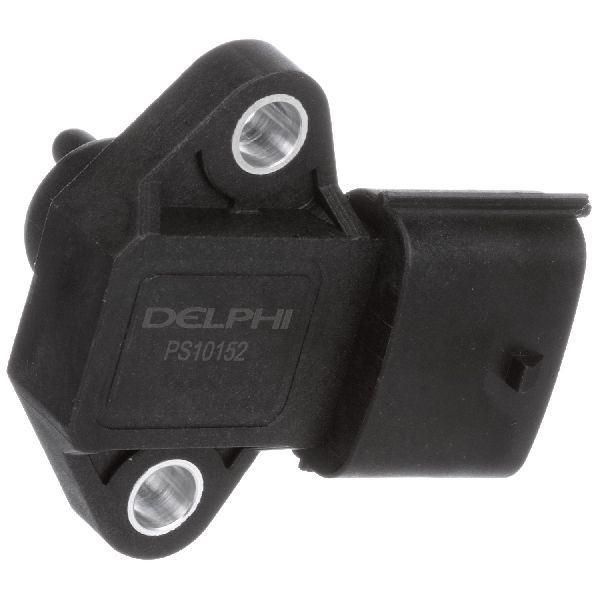
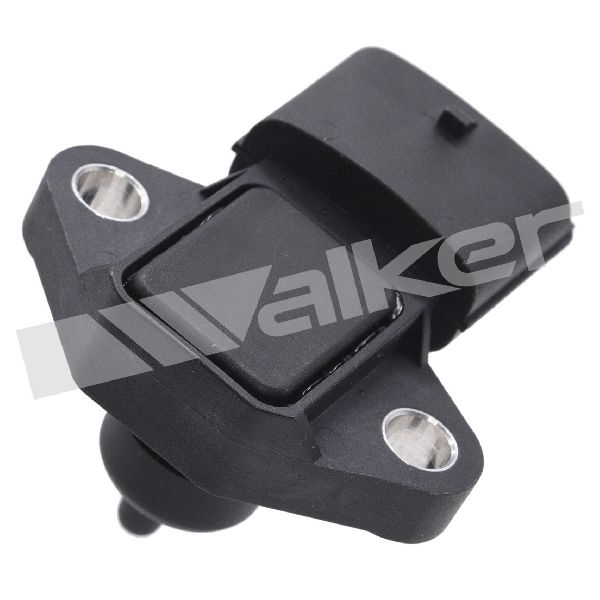
The MAP sensor is located on the engine's intake manifold, usually right next to the throttle body. It is a small, black plastic sensor held in place by one bolt.
Can I just clean my MAP sensor?
Sometimes, cleaning the sensor with a dedicated mass air flow or electronics cleaner can resolve issues, especially if it's contaminated with oil or carbon. However, if the sensor's internal electronics have failed, it cannot be repaired and must be replaced.
Is an OEM sensor better than aftermarket for my Tucson?
While an OEM sensor is a guaranteed fit and quality, high-quality aftermarket brands like Delphi, NGK, or Standard Ignition offer comparable performance and reliability for less money. Some very low-cost aftermarket sensors may have a shorter lifespan, so choosing a reputable brand is key.
Are there any recalls for the MAP sensor on the Hyundai Tucson?
As of late 2025, there are no specific recalls from the National Highway Traffic Safety Administration (NHTSA) for the MAP sensor on 2016-2025 Hyundai Tucsons. Searches found recalls for other issues like ABS modules and trailer wiring harnesses, but not the MAP sensor.
Helpful Videos
Technical Specifications
OEM Part Numbers: 39300-2B000 39300-2B100 39300-2M417
The MAP sensor for the Hyundai Tucson is typically a 3-pin or 4-pin bolt-on sensor made of plastic, located on the intake manifold. It measures the absolute pressure in the manifold and sends a voltage signal to the ECU.
We Have This Part in Stock


The information in this article is provided for general reference and educational purposes only. Vehicle specifications, procedures, and part compatibility can vary by production date, trim level, and region. Always consult your vehicle's factory service manual and verify part numbers before purchasing or performing repairs. Safety-critical components such as airbags, seat belts, and braking systems should be installed by a qualified professional.
- Hyundai Tucson: