

A Guide to Oxygen Sensor Replacement for the 2016-2024 Subaru Outback
Everything you need to know about diagnosing and replacing a faulty oxygen sensor on your Outback.
- A check engine light with codes like P0137, P0141, P0031, or P0037 is a strong indicator of a failed oxygen sensor.
- For best results and to avoid repeat failures, use an OEM-brand sensor from Denso or NGK/NTK.
- A TSB exists for 2020-2024 models for rear O2 sensor issues; an updated part is available.
- Replacement is a manageable DIY task with a special O2 sensor socket, but rust can make removal difficult.
Is Your Check Engine Light On? It Could Be an Oxygen Sensor

The most common sign of a failing oxygen sensor in your Subaru Outback is the check engine light turning on. You might also notice other performance issues. These can include worse gas mileage, a rough or shaky idle, and hesitation when you step on the gas pedal. In some cases, you may smell a strong gasoline odor when the car is idling.
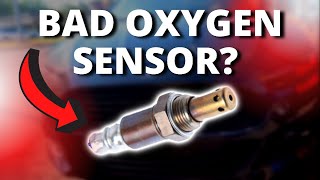
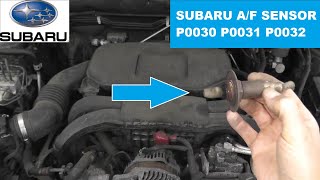
🎬 Watch: Learn more about common symptoms of a bad sensor.Known Issue: TSB for Rear Oxygen Sensors (2020-2024 Models)
Subaru has issued a Technical Service Bulletin (TSB #09-115-24) for 2020-2024 Outbacks experiencing specific check engine codes (P0137, P0138, P0140, P0141) related to the rear oxygen sensor. The bulletin announces a new, redesigned sensor with an improved coating to prevent internal cracks and short circuits. If your newer Outback has one of these codes, using the updated OEM part or a high-quality equivalent is highly recommended.
Choosing the Right Aftermarket Oxygen Sensor for Your Outback

When it comes to engine sensors for a Subaru, brand choice matters. While many options are available, owner feedback strongly points toward using the original equipment manufacturer (OEM) brand for the best results.
- Tier 1 (OEM Supplier): Denso & NGK/NTK
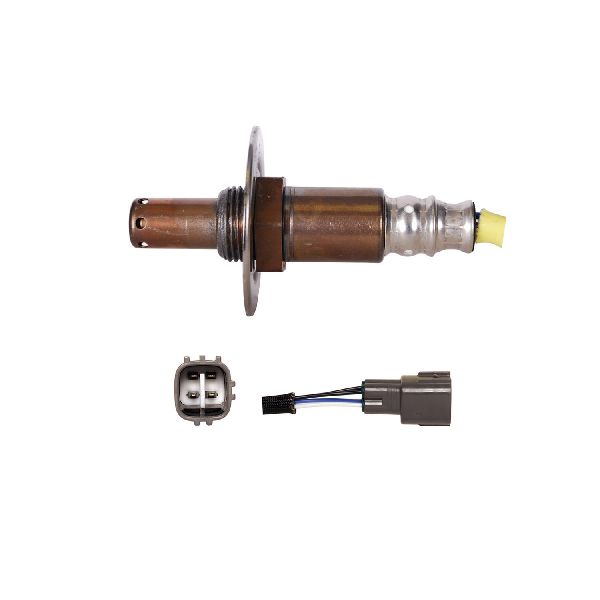
Denso is widely reported by Subaru owners and mechanics to be the original equipment supplier for oxygen sensors. Choosing a Denso sensor is the closest you can get to buying the part from a Subaru dealer, often at a lower cost. NGK (which makes NTK sensors) is another high-quality Japanese brand that supplies parts to Subaru and is also considered a top-tier, reliable choice. - Tier 2 (Quality Aftermarket): Bosch, Walker Products
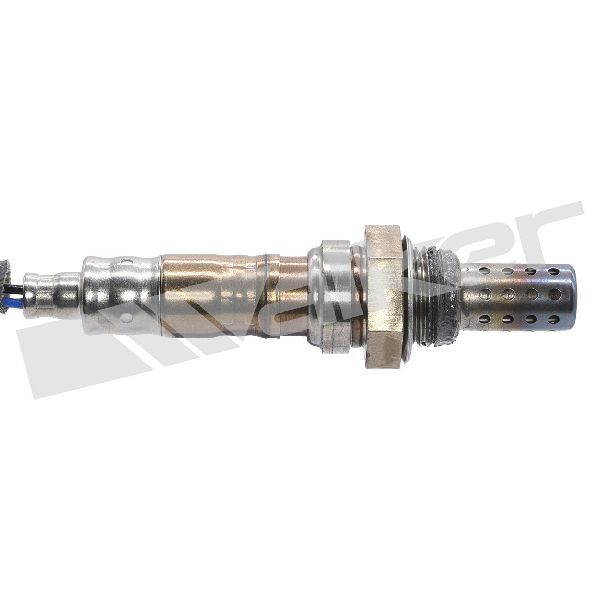
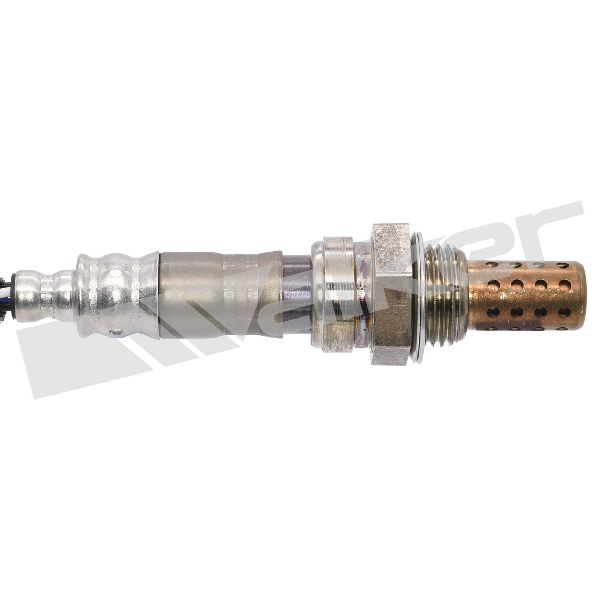
Bosch is a well-known parts manufacturer, but some users report that their aftermarket sensors may not perform as consistently in Subarus as Denso or NGK. Walker Products is another established aftermarket brand. These sensors can be a good value, but for critical components like oxygen sensors on a Subaru, sticking with the OEM supplier is often worth the extra cost to avoid potential compatibility issues. - Tier 3 (Value-Oriented): DriveWire & Other Brands
Value-focused brands offer significant savings. However, with a sensitive system like your Outback's engine management, a low-cost sensor might fail prematurely or provide inaccurate readings, causing the check engine light to return.
Pro Tip: Always choose a "direct-fit" sensor. These come with the correct electrical connector for your Outback and require no cutting or splicing of wires, making installation much easier and more reliable.
Oxygen Sensor Replacement Cost for 2016-2024 Subaru Outback
| Part Type | Estimated Cost |
|---|---|
| New Aftermarket Sensor | $39 - $227 |
| New OEM Sensor | $115 - $280+ |
| Shop Labor | $100 - $200 |
Cost estimates are for a single sensor and do not include taxes or shop supply fees.
Frequently Asked Questions


Where are the oxygen sensors located on my Outback?
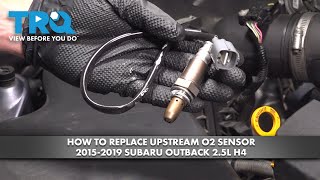
Your 2.5L Outback has two main sensors. The upstream sensor (also called Bank 1, Sensor 1 or Air/Fuel Ratio Sensor) is in the exhaust manifold, accessible from the top of the engine bay. 🎬 See this walkthrough for replacing the upstream sensor yourself. The downstream sensor (Bank 1, Sensor 2) is located after the catalytic converter and is best accessed from under the vehicle on the passenger side.
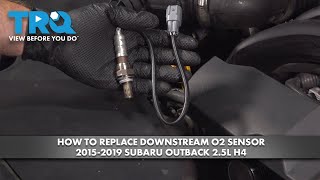
🎬 Watch: Step-by-step guide to replacing the downstream oxygen sensor.Is there a recall for my Outback's oxygen sensor?
No. There is a recall for 2020-2022 Outback models, but it is for the Occupant Detection System (ODS) sensor in the passenger seat, which is part of the airbag system. This is completely unrelated to the exhaust oxygen sensors. The ODS issue may cause the airbag warning light to come on, not the check engine light.
Can I replace an oxygen sensor myself?
Yes, this is a DIY-friendly job for many home mechanics. You will need a special tool called an O2 sensor socket to remove and install the sensor without damaging the wire. The old sensor can sometimes be rusted in place and difficult to remove, so be prepared with penetrating oil.
Should I replace both sensors at the same time?
It is not required to replace them in pairs. Oxygen sensors should be replaced when they fail. However, they have a similar lifespan, so if one fails on a higher-mileage vehicle, the other may not be far behind.
What's the difference between an upstream and downstream sensor?
The upstream (front) sensor measures the exhaust directly from the engine and is used for making rapid adjustments to the fuel mixture. The downstream (rear) sensor's primary job is to monitor the efficiency of the catalytic converter by comparing its reading to the upstream sensor.
Helpful Videos
Technical Specifications
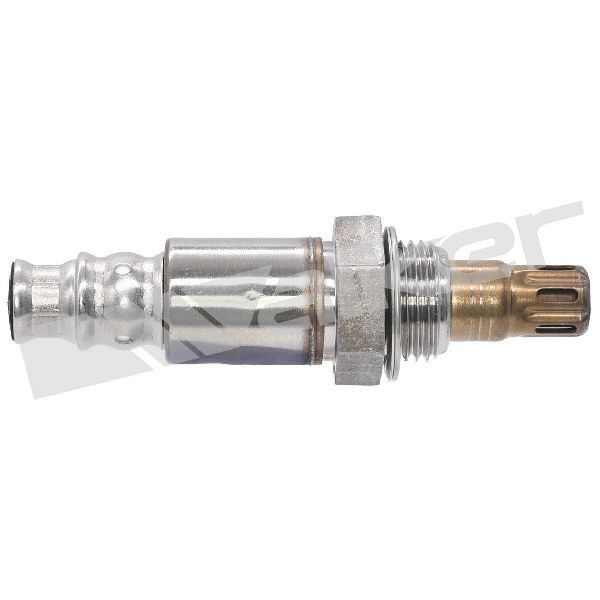
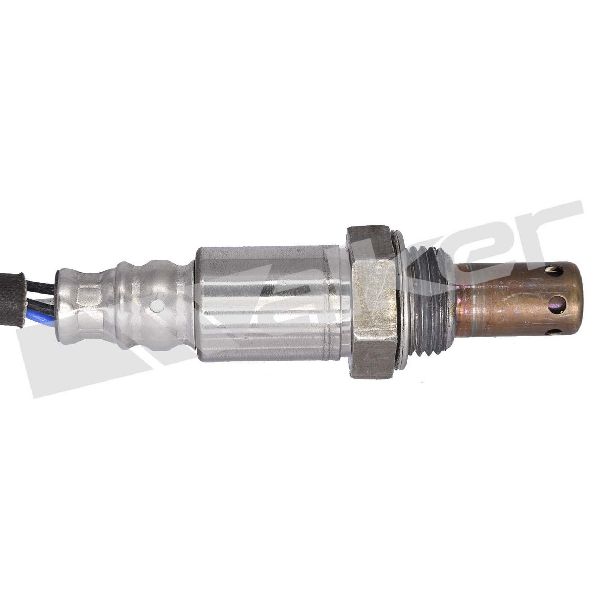
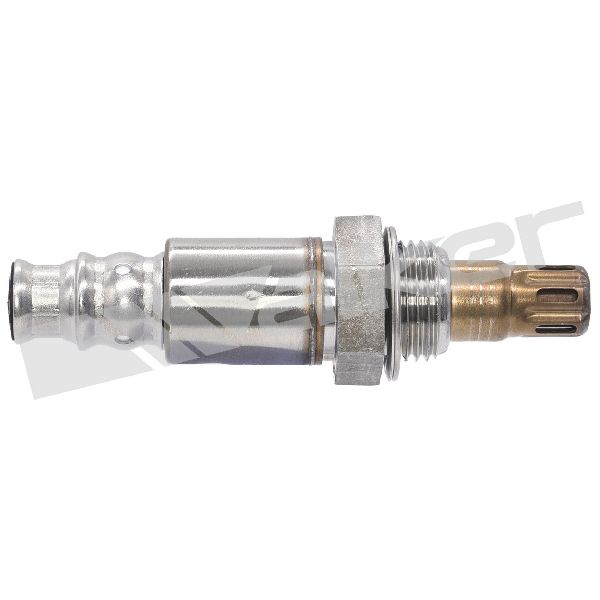
OEM Part Numbers: 22641AA79A 22690AA70A 22690AA85A 22641AA13B 22641AA68A
Most 2016-2024 Subaru Outback models with the 2.5L 4-cylinder engine use two oxygen sensors: one upstream air/fuel ratio sensor and one downstream oxygen sensor. The 3.6L 6-cylinder and 2.4L Turbo engines will have different part numbers and locations. Always verify the correct part for your specific engine and model year before ordering.
We Have This Part in Stock

The information in this article is provided for general reference and educational purposes only. Vehicle specifications, procedures, and part compatibility can vary by production date, trim level, and region. Always consult your vehicle's factory service manual and verify part numbers before purchasing or performing repairs. Safety-critical components such as airbags, seat belts, and braking systems should be installed by a qualified professional.
- Subaru Outback: