

Nissan Murano Oxygen Sensor Guide (2016-2024): Symptoms, Brands & Replacement
Is your Murano running rough or losing fuel economy? A bad oxygen sensor might be the culprit.
- Your Murano has four O2 sensors; identify the correct failed sensor using an OBD-II scanner before buying a replacement.
- For best results and compatibility, choose a direct-fit sensor from an OE-quality brand like Denso or NGK (NTK).
- A bad O2 sensor can cause poor fuel economy, rough running, and eventually damage your expensive catalytic converter.
- If you have a 2015-2016 Murano, verify the recall for the ECM software update (Campaign R1620) has been performed.
Understanding Oxygen Sensor Failure in Your Murano
The oxygen sensors in your Nissan Murano's 3.5L V6 engine are constantly exposed to extreme heat and exhaust gases. Over time, they wear out or get contaminated by things like oil or coolant. A failing sensor can't send accurate information to your vehicle's computer. This can lead to poor engine performance, higher emissions, and eventually, damage to more expensive parts like the catalytic converter. It's a repair you shouldn't ignore.
Known Issues for 2015-2016 Models
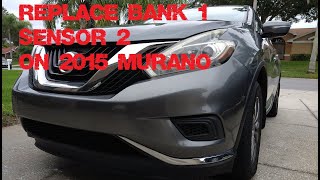
Nissan issued a Voluntary Emissions Recall Campaign (ID: R1620) for some 2015-2016 Murano vehicles. The issue was that the rear oxygen sensor could fail without triggering the check engine light. The fix was a simple software update for the Engine Control Module (ECM). 🎬 See this walkthrough for replacing the rear bank 1 sensor If you own a 2015 or 2016 Murano, it's worth checking with a Nissan dealer to see if this update was performed on your vehicle.
Is it the Oxygen Sensor or Something Else?

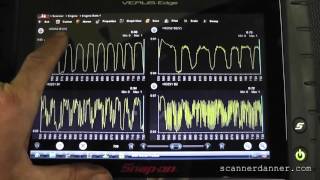
The most common sign of a bad oxygen sensor is a lit Check Engine Light. If you have an OBD-II scanner, you can check for specific codes. 🎬 Watch: How to test for a slow responding sensor However, other issues can sometimes mimic O2 sensor problems. For example, error code P0420 (Catalyst System Efficiency Below Threshold) can be caused by a bad sensor, but it can also be caused by an exhaust leak or a failing catalytic converter. Always check for exhaust leaks before replacing parts.
Choosing the Right Aftermarket Oxygen Sensor

When it comes to sensors for Japanese vehicles like your Nissan, sticking close to the Original Equipment (OE) design is usually the best strategy. For the 2016-2024 Murano, this means looking for specific brands known for their quality and compatibility.
- Tier 1 (OE-Quality): Denso & NGK (NTK)
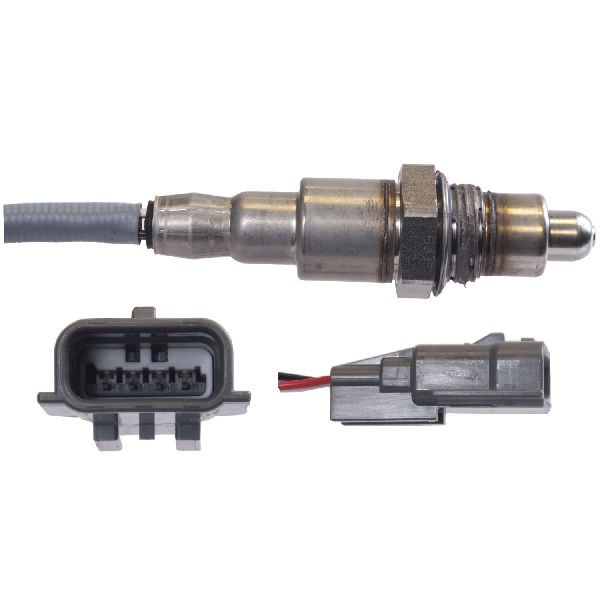
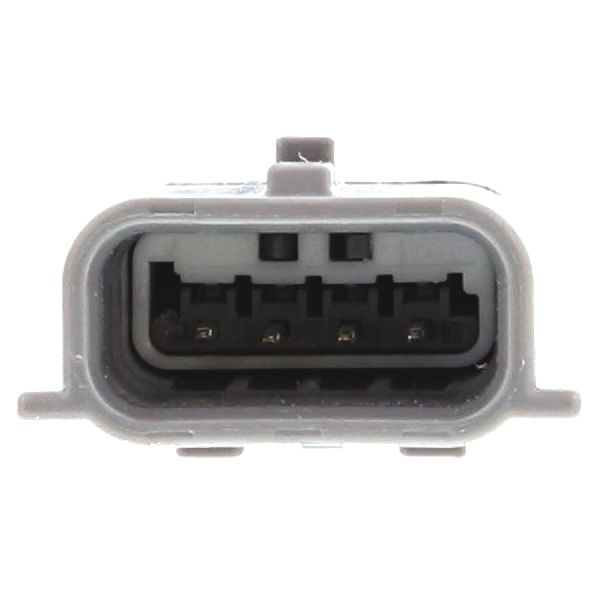
Denso and NGK (which sells sensors under the NTK brand) are the original equipment manufacturers for many Japanese automakers, including Nissan. Choosing a direct-fit sensor from one of these brands is the safest bet. They are engineered to match the original part's performance and have the correct connectors, making installation easier. While they are premium-priced, their reliability often prevents future headaches. - Tier 2 (Reputable Aftermarket): Bosch
Bosch is a massive, well-respected parts manufacturer that invented the modern O2 sensor. They offer high-quality direct-fit sensors that meet or exceed OE specifications. While generally reliable, some mechanics and Nissan owners prefer to stick with Denso or NGK for the best compatibility. - Tier 3 (Budget-Friendly): Walker Products
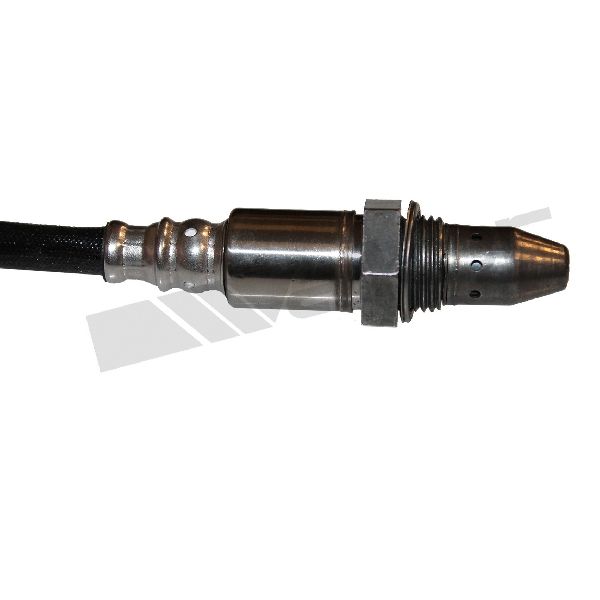
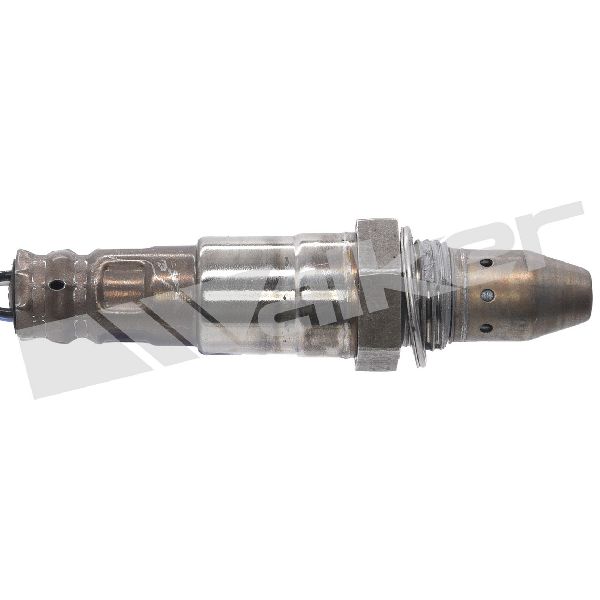
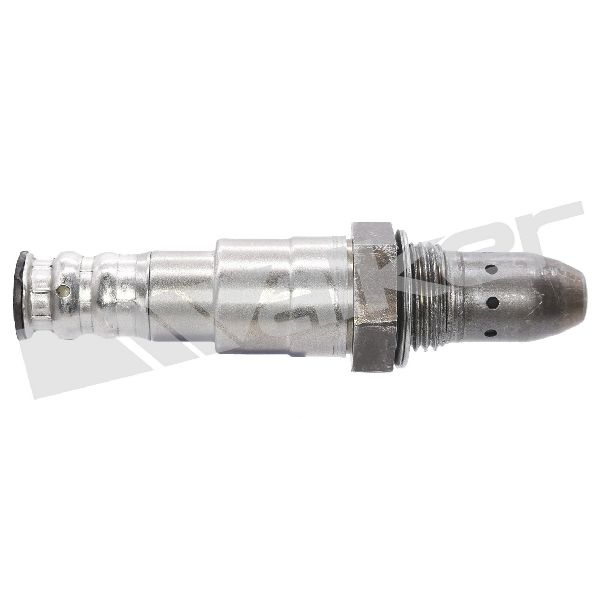
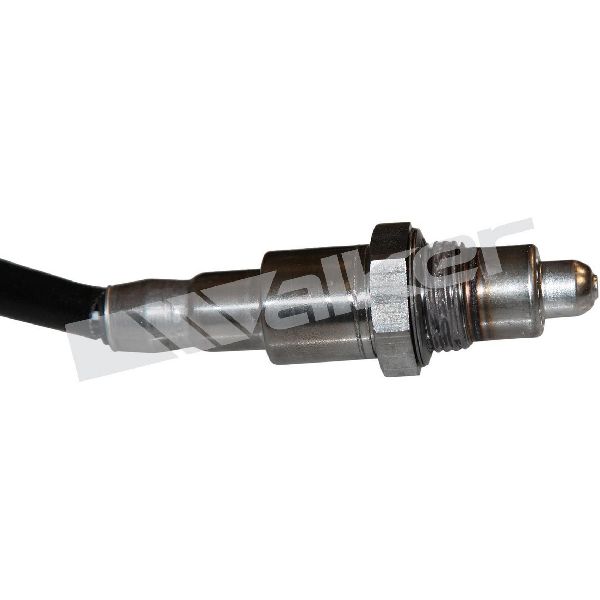
Walker is a known aftermarket exhaust and emissions parts brand. Their sensors are typically more budget-friendly. They can be a good option if cost is a major concern, but ensure you are buying a direct-fit model, not a universal one that requires splicing wires.
Pro Tip: Your Murano has two types of sensors. The front ones, before the catalytic converter, are called Air/Fuel Ratio Sensors and are more complex and expensive. The rear ones are standard Oxygen Sensors. Make sure you order the correct type for the specific location that needs replacement.
Oxygen Sensor Replacement Cost
The cost can vary significantly based on which of the four sensors has failed and who does the work.
| Item | Estimated Cost |
|---|---|
| New Aftermarket Oxygen Sensor (Part Only) | $102.77 - $325.79 |
| Shop Labor | $118 - $233 |
| Estimated Total (Aftermarket Part + Labor) | $220 - $560 |
Note: Costs are estimates. The higher part cost typically reflects a premium brand Air/Fuel Ratio (upstream) sensor. Labor costs can be higher for the rear-bank sensors (Bank 1) which are harder to access.
Frequently Asked Questions

How many oxygen sensors does a 2016-2024 Nissan Murano have?
The Nissan Murano with the 3.5L V6 engine has four sensors: two upstream (Bank 1, Sensor 1 and Bank 2, Sensor 1) and two downstream (Bank 1, Sensor 2 and Bank 2, Sensor 2). Bank 1 is the cylinder bank closer to the firewall (rear), and Bank 2 is closer to the radiator (front).
Can I replace just one oxygen sensor?
Yes. You only need to replace the sensor that has failed. An OBD-II scan tool will point to the specific sensor (e.g., Bank 1, Sensor 2) that is causing the issue. However, oxygen sensors have a similar lifespan, so if one has failed due to high mileage, another may not be far behind.
Is replacing an O2 sensor a DIY job?
It can be, but the difficulty varies. The front sensors (Bank 2) are relatively accessible. However, the rear sensors (Bank 1, near the firewall) are notoriously difficult to reach and may require special tools like a flexible-head ratchet and an O2 sensor socket. If you are not comfortable working in tight spaces, it may be best to leave this job to a professional.
🎬 Watch: A complete guide to Nissan Murano sensor replacementWhat is the difference between an upstream and downstream sensor?
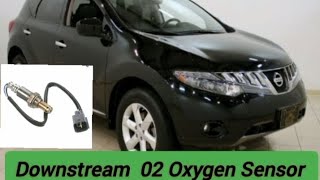
The upstream sensor (also called an Air/Fuel Ratio sensor) is located before the catalytic converter and is essential for managing the engine's air-fuel mixture. The downstream sensor is located after the catalytic converter and its main job is to monitor the converter's efficiency. Upstream sensors are more critical for performance and are typically more expensive.
Helpful Videos
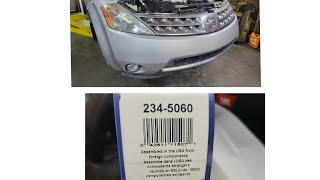
Technical Specifications
The 2016-2024 Nissan Murano 3.5L V6 uses four sensors: two upstream wideband Air/Fuel Ratio sensors and two downstream heated oxygen sensors. Direct-fit connectors are highly recommended over universal types.
We Have This Part in Stock

The information in this article is provided for general reference and educational purposes only. Vehicle specifications, procedures, and part compatibility can vary by production date, trim level, and region. Always consult your vehicle's factory service manual and verify part numbers before purchasing or performing repairs. Safety-critical components such as airbags, seat belts, and braking systems should be installed by a qualified professional.
- Nissan Murano: