

Lincoln Navigator Catalytic Converter Replacement Guide (2016-2024)
Everything you need to know before replacing the catalytic converter on your 2016-2024 Lincoln Navigator.
- Always diagnose and fix the root cause of failure (like engine misfires or bad O2 sensors) before replacing a converter.
- Check engine light codes P0420/P0430 are the most common sign of failure, but a TSB for 2020-2021 models suggests a de-sulfation procedure should be attempted first.
- Verify your state's emissions laws; states like CA, NY, CO, and ME require specific CARB-compliant converters.
- For best results and to avoid a recurring check engine light, consider a premium aftermarket brand or OEM part, as the Navigator's computer is sensitive.
Is Your Navigator's Catalytic Converter Failing?

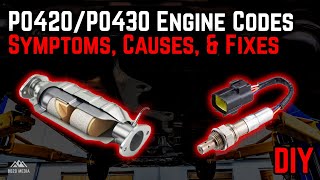
A failing catalytic converter on a Lincoln Navigator isn't just bad for the environment; it can seriously impact your vehicle's performance. The most common sign of trouble is the check engine light illuminating with codes P0420 or P0430, 🎬 Watch a complete guide to understanding P0420 and P0430 codes which indicate that the converter's efficiency is below the required threshold. You might also notice a significant drop in power and acceleration, as a clogged converter restricts exhaust flow, effectively choking the engine. Other tell-tale signs include a rattling noise from under the vehicle, caused by the internal ceramic breaking apart, or a distinct rotten egg/sulfur smell from the exhaust.
Don't Ignore the Root Cause
A catalytic converter usually fails because of another problem. Engine misfires, faulty oxygen sensors, or internal oil/coolant leaks can send unburned fuel and contaminants into the exhaust, destroying a new converter quickly. Always diagnose and fix the underlying issue before installing a new part.
Known Issues, Recalls, and Technical Service Bulletins (TSBs)

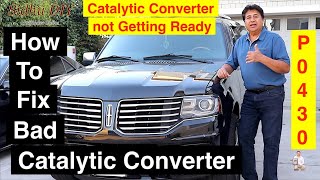
For 2020-2021 Navigator models, Ford issued TSB 22-2260 🎬 Watch this video on common Lincoln Navigator catalytic converter issues for check engine lights with codes P0420 and P0430. The bulletin suggests the issue may be caused by high sulfur content in fuel, leading to a false reading. The procedure involves a specific driving cycle to "de-sulfate" the converters. 🎬 Watch how to fix P0430 codes and get sensors ready If this procedure doesn't resolve the issue, replacement is recommended. No specific safety recalls for catalytic converters were found for this generation, though other recalls for fire risk do exist for various model years.
Choosing the Right Aftermarket Converter

When replacing your Navigator's converter, you have two main choices: OEM from Lincoln or an aftermarket part. OEM converters are expensive but are built to the exact specifications for your vehicle. Some owners report that only genuine Ford parts will keep the check engine light off long-term on these sensitive systems. However, aftermarket converters offer a significant cost saving.
Aftermarket brands come in different tiers:
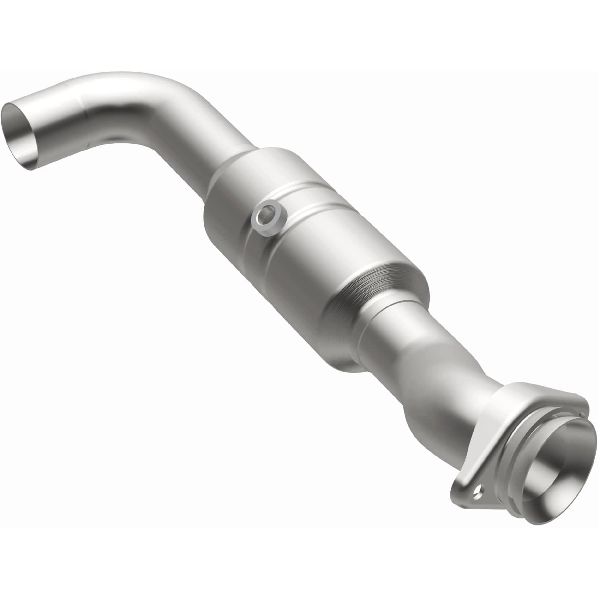
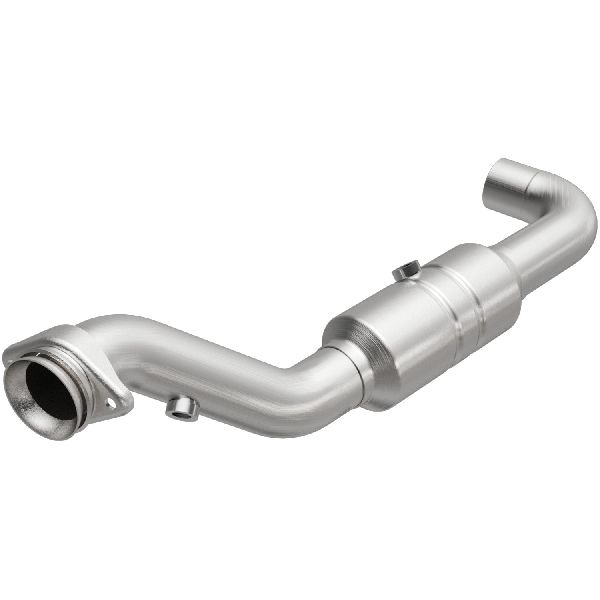
- Premium Direct-Fit (e.g., MagnaFlow): Brands like MagnaFlow are known for high-quality, stainless steel construction and aim for OEM-level fit and performance. They often use advanced techniques to ensure proper flow and function, making them a good choice to avoid check engine light issues. They are available in Federal/EPA compliant and sometimes even 50-state legal (CARB compliant) versions.
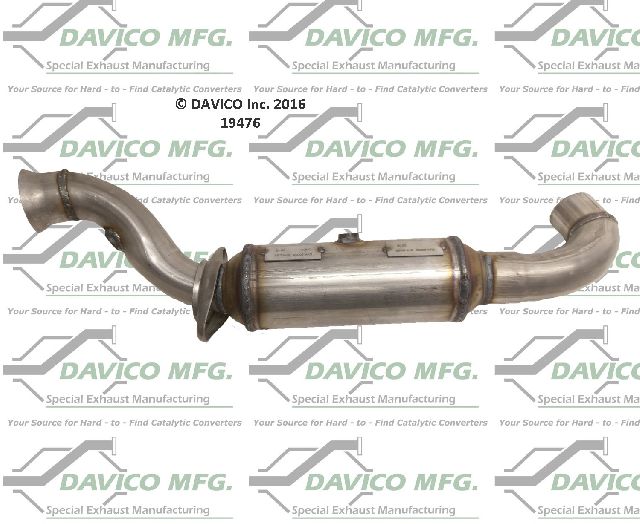
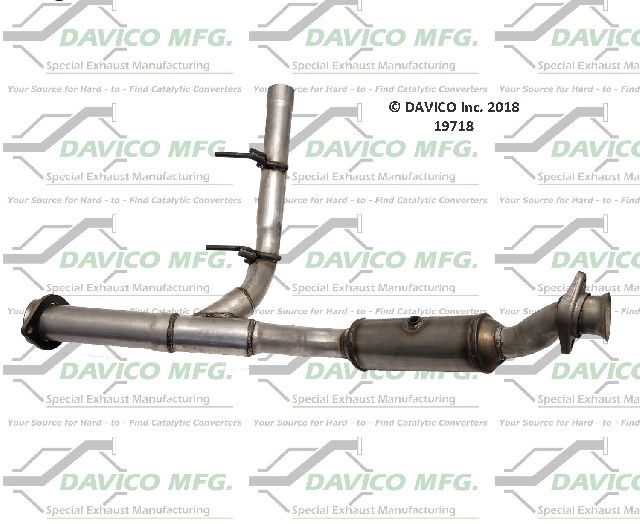
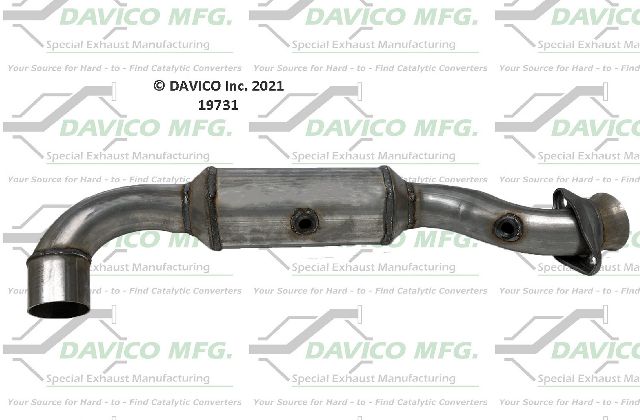
- Standard Direct-Fit (e.g., Davico, Original Performance): These brands provide a more budget-friendly direct-fit option. They are designed to bolt on without modification and meet basic EPA standards. While cost-effective, some forum discussions suggest that budget brands may have a shorter lifespan or can occasionally cause compatibility issues on sensitive vehicles like the Navigator.
Check Your Emissions Laws!
Before you buy, verify your local emissions requirements. States like California, New York, Colorado, and Maine have stricter standards (CARB compliance) and will not allow the installation of a Federal/EPA-only converter. Installing the wrong part will result in a failed emissions test.
Cost of Replacing a Lincoln Navigator Catalytic Converter
| Part Type | Estimated Cost |
|---|---|
| New Aftermarket Part | $202 - $656 |
| New OEM Part | $1,400 - $2,500+ |
| Shop Labor | $150 - $350 |
| Total Aftermarket Replacement | $352 - $1,006 |
| Total OEM Replacement | $1,550 - $2,850+ |
Frequently Asked Questions

Will an aftermarket converter cause a check engine light?
It can, but it's less likely with a quality aftermarket brand like MagnaFlow that is designed for OEM-grade performance. The 3.5L EcoBoost engine's computer is sensitive, and cheaper converters may not have enough precious metals to satisfy the sensors, triggering a P0420 or P0430 code. Ensuring the rest of the engine is in perfect running order is the best way to prevent this.
Should I replace the oxygen sensors with the catalytic converter?
It is highly recommended. Old or slow-reacting oxygen sensors can provide incorrect data to the engine's computer, which can lead to poor performance and damage the new converter. Replacing them at the same time ensures the entire system is working together correctly.
Is this a DIY job?
For a skilled DIY mechanic, yes. The converters on the Navigator are typically direct-fit, bolt-on parts. However, the bolts are often heavily rusted and may need to be cut off. Access can also be tight. If you are not comfortable working under your vehicle and dealing with stubborn exhaust components, professional installation is recommended.
What are the different part numbers for the left and right side?
The Navigator has a V6 engine, meaning it has two banks and often two main catalytic converters (left/Bank 2 and right/Bank 1). They are not interchangeable. For example, for 2020-2021 models, OEM part numbers can include JL7Z-5E212-R (Left) and JL7Z-5E212-U (Right). Always verify the exact part number for your specific year and model before ordering.
Helpful Videos
Technical Specifications
OEM Part Numbers: FL1Z-5E212-C JL7Z-5E212-R JL7Z-5E212-U JL3Z-5E212-D JL7Z-5E212-A JL7Z-5E212-K
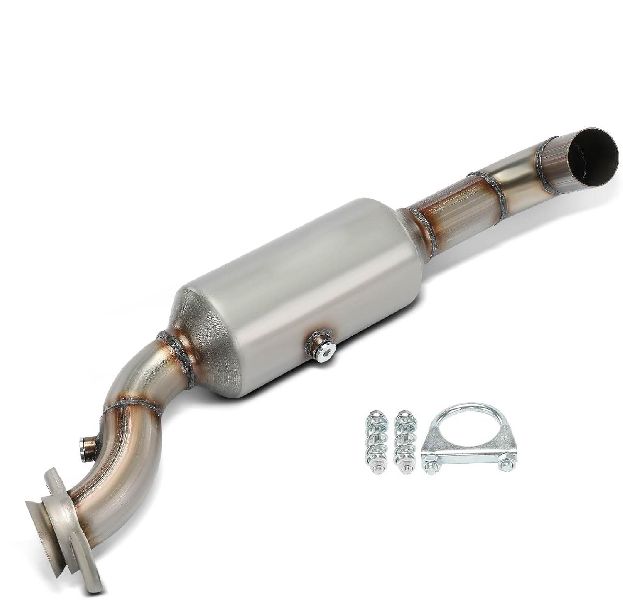
The 2016-2024 Lincoln Navigator with the 3.5L EcoBoost V6 engine uses a dual-exhaust system with at least two main catalytic converters, one for each cylinder bank. These are typically direct-fit, bolt-on units.
We Have This Part in Stock

The information in this article is provided for general reference and educational purposes only. Vehicle specifications, procedures, and part compatibility can vary by production date, trim level, and region. Always consult your vehicle's factory service manual and verify part numbers before purchasing or performing repairs. Safety-critical components such as airbags, seat belts, and braking systems should be installed by a qualified professional.
- Lincoln Navigator: