

Honda Ridgeline Oxygen Sensor Guide (2016-2024): Choosing the Right Replacement
Diagnose and replace the correct oxygen sensor on your Ridgeline's V6 engine to restore fuel economy and performance.
- Your Ridgeline has four O2 sensors; identify the correct one with an OBD-II code before buying.
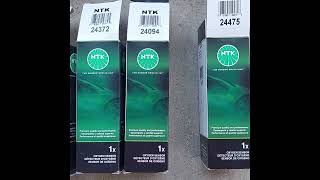
- For best results, use OEM-supplier brands Denso or NGK (NTK) to avoid compatibility issues.
- If you have a 2017-2019 model, check for TSB 21-010 before replacing parts, as a software update may be the fix.
- Ignoring a bad sensor can lead to costly catalytic converter damage over time.
Is Your Ridgeline's Oxygen Sensor Failing?


The most common sign of a bad oxygen sensor is a solid or flashing Check Engine Light on your dashboard. You might also notice your truck getting worse gas mileage than usual, idling roughly, or hesitating when you accelerate. In some cases, you may smell a rotten egg odor from the exhaust or see black smoke, which are signs the engine is running too rich (using too much fuel). Ignoring a bad sensor for too long can lead to expensive damage to your catalytic converters.
Important Known Issue: Check for TSB 21-010 First!
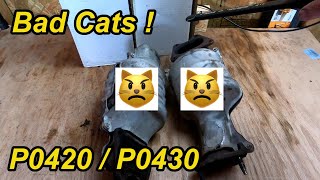
For 2017-2019 Honda Ridgeline models, Honda issued Technical Service Bulletin (TSB) 21-010. This bulletin notes that the vehicle's computer software can misinterpret sensor readings and incorrectly trigger Check Engine Light codes like P0420 or P0430, blaming the catalytic converter. The problem could also be related to faulty fuel injectors, which can cause misfire codes (P0300-P0306) or air-fuel ratio codes (P219A, P219B). Before you buy a new oxygen sensor, it is highly recommended to have a dealer check if your vehicle is eligible for a software update or fuel injector service under this TSB, as Honda extended the warranty for this specific issue. This could save you from replacing a part that isn't actually broken.
Choosing the Right Aftermarket Oxygen Sensor

Not all aftermarket sensors are created equal. For a sensitive engine management part on a Honda, brand choice matters. Here’s a breakdown of the available brands based on quality and owner feedback.
Tier 1: OEM Supplier Brands
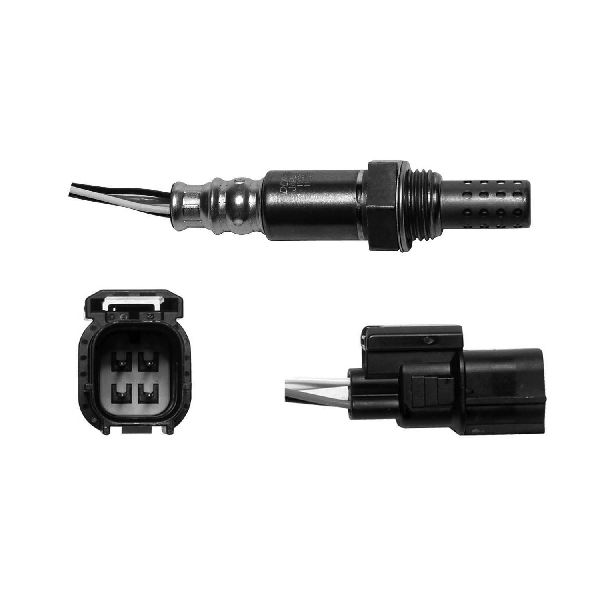
Denso & NGK (NTK): These two brands are the Original Equipment (OEM) suppliers for Honda. This means the Denso or NTK sensor you buy from an aftermarket retailer is often the exact same part that was installed at the factory, just without the Honda logo and price tag. For guaranteed fit, performance, and longevity, choosing Denso or NTK is the safest bet. Forum and owner discussions consistently recommend sticking with these brands for Honda vehicles.
Tier 2: High-Quality Aftermarket Brands
Bosch: Bosch is a massive, well-respected parts manufacturer that actually invented the modern oxygen sensor. Their sensors are known for quality and performance and are a reliable choice. While they are not the original supplier for the Ridgeline, they are a strong alternative if Denso or NTK are not available.
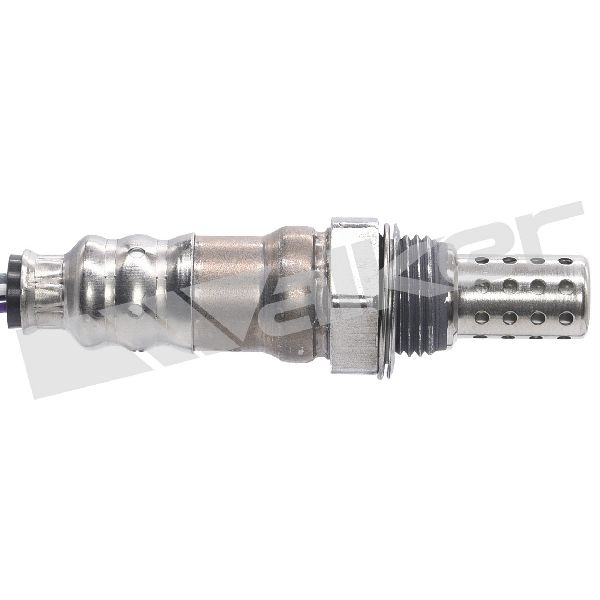
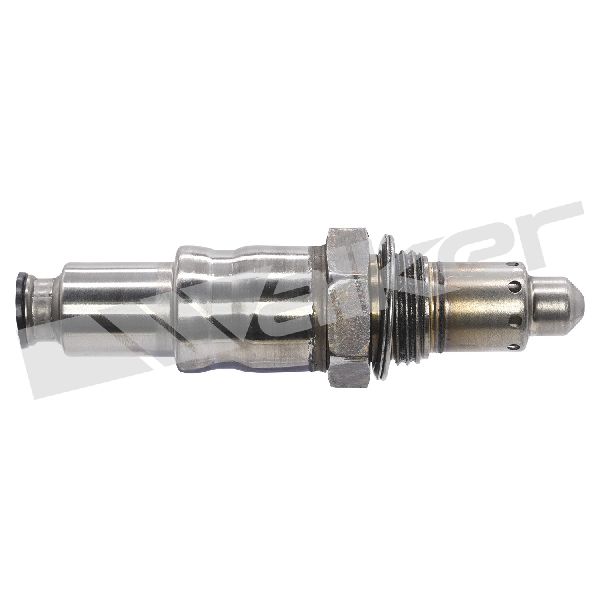
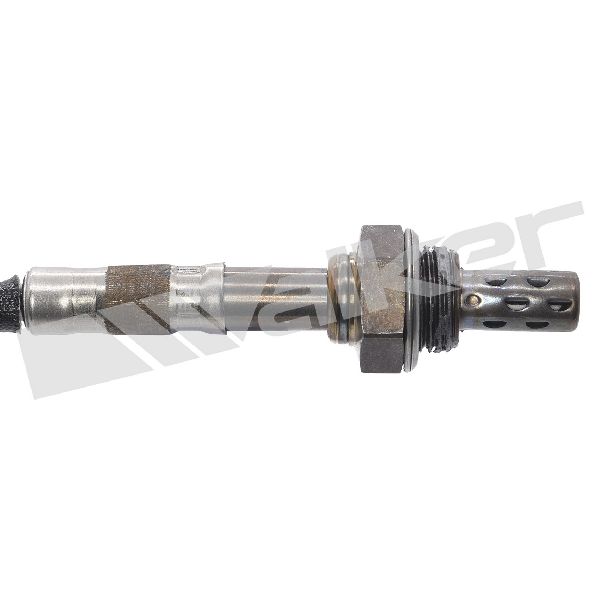
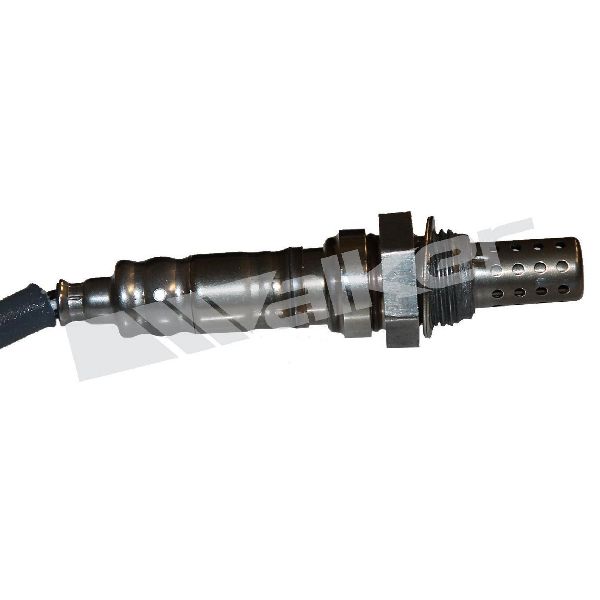
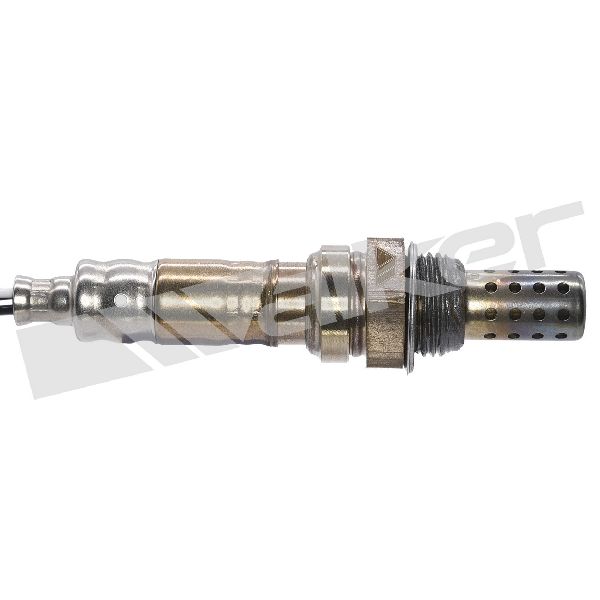
Walker Products: Walker is another established aftermarket brand that produces a wide range of emissions components. They offer a dependable product that meets OEM specifications and can be a good mid-range option.
Tier 3: Value Brands
DriveWire: This brand is typically positioned as a budget-friendly option. While it can save you money upfront, be aware that for sensitive parts like oxygen sensors, a lower-cost sensor may not have the same performance, precision, or lifespan as an OEM-supplier brand. Using a less precise sensor could lead to small decreases in fuel economy or trigger future issues.
Cost to Replace a Honda Ridgeline Oxygen Sensor

| Part Type | Estimated Cost |
|---|---|
| New OEM (Dealer) | $484 - $580 |
| New Aftermarket (Tier 1) | $120 - $272 |
| New Aftermarket (Tier 2/3) | $50 - $120 |
| Shop Labor | $61 - $150+ |
Note: Costs are estimates. Labor can vary significantly based on which of the four sensors is being replaced. The rear sensors are much harder to access and will have higher labor costs.
Frequently Asked Questions (FAQ)

How many oxygen sensors does my 2016-2024 Ridgeline have?
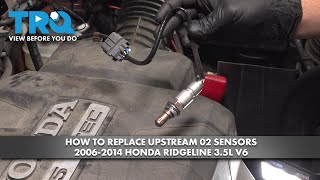
Your Ridgeline has four oxygen sensors. There are two upstream (Air/Fuel Ratio) sensors and two downstream sensors. The V6 engine has two banks: Bank 1 is the rear bank of cylinders near the firewall, and Bank 2 is the front bank. Each bank has one upstream and one downstream sensor.
Which brand sensor should I buy?
For the best results and to avoid potential compatibility issues, it is strongly recommended to use either Denso or NGK (NTK). These are the OEM suppliers to Honda, ensuring the sensor will perform exactly as the vehicle's computer expects.
Can I replace the oxygen sensor myself?
Yes, if you have the right tools. The front sensors (Bank 2) are fairly accessible. However, the rear sensors (Bank 1, near the firewall) are very difficult to reach and may require working by feel. You will need a special slotted oxygen sensor socket to do the job without damaging the sensor's wires. Due to rust, the old sensor can be very tight, so having penetrating oil and a good ratchet is essential.
Do I need to replace all four sensors at once?
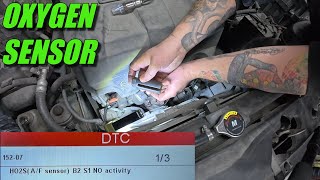
No. You only need to replace the specific sensor that has failed. An OBD-II scanner will give you a trouble code (like P0154) that identifies which sensor is having a problem (e.g., Bank 2, Sensor 1). Replacing sensors that are still working is not necessary.
Can I clean an oxygen sensor instead of replacing it?
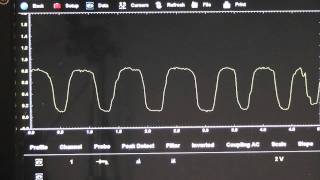
It is not recommended. The sensing element inside is delicate and can be damaged by contaminants or cleaning attempts. The failure is usually internal to the sensor's heating element or its ability to generate a voltage signal. A new sensor is the only reliable fix.
Helpful Videos
Technical Specifications
The 2016-2024 Honda Ridgeline 3.5L V6 uses a four-sensor system. This includes two upstream Air/Fuel Ratio (A/F) sensors (Bank 1 & Bank 2) and two downstream heated oxygen sensors (Bank 1 & Bank 2). Bank 1 is the rear bank (near firewall) and Bank 2 is the front bank.
We Have This Part in Stock

The information in this article is provided for general reference and educational purposes only. Vehicle specifications, procedures, and part compatibility can vary by production date, trim level, and region. Always consult your vehicle's factory service manual and verify part numbers before purchasing or performing repairs. Safety-critical components such as airbags, seat belts, and braking systems should be installed by a qualified professional.
- Honda Ridgeline: