

GMC Yukon 2016-2024 Radiator: A Guide to Replacement and Upgrades
Is your Yukon running hot or smelling sweet? It might be time for a new radiator.
- A common failure is a leak where the plastic side tanks meet the aluminum core.
- You MUST replace the thermostat when replacing the radiator to prevent repeat failure from pressure spikes.
- For towing or heavy use, consider upgrading to a full-aluminum radiator from a brand like Mishimoto or CSF for better durability and cooling.
- For standard replacement, Denso is a trusted brand that provides OEM-level quality and fit.
Signs of a Failing Radiator in Your Yukon

A bad radiator can cause major engine problems. Watch for these signs to catch a failure before it gets serious. The most common issues are leaks and clogs.
- Engine Overheating: The most obvious sign is your temperature gauge climbing into the red. This means the radiator isn't cooling the engine properly.
- Sweet Smell: Noticing a sweet, syrupy smell from the front of your Yukon, especially after a drive, is a classic sign of a coolant leak. Often, the leak is small and evaporates on the hot radiator, so you'll smell it before you see a puddle. 🎬 Watch: How to diagnose a mystery coolant leak in your GM truck.
- Visible Coolant Leaks: You might find puddles of orange, pink, or green fluid (DEX-COOL) under the front of your vehicle. This is a clear sign of a leak.
- Low Coolant Level: If you have to add coolant to the reservoir often, you likely have a leak somewhere in the system.
- Crusty Residue: Look for white or colored crusty stains on the radiator, especially where the black plastic sides (end tanks) meet the metal center (core). This is dried coolant and confirms a leak.
Known Issue: Plastic End Tank Leaks
A common failure point on 2016-2024 GMC Yukon radiators is a small leak where the plastic end tanks are crimped onto the aluminum core. This is often caused by stress and repeated heat cycles. A faulty thermostat can also cause pressure spikes that stress these seams, leading to premature failure. For this reason, it is highly recommended to replace the thermostat whenever you replace the radiator.
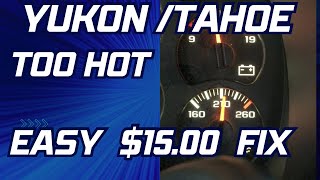
🎬 Watch: How a simple thermostat fix can prevent engine overheating.Choosing an Aftermarket Radiator: Brand Tiers

When your original radiator fails, you have a choice between another OEM (Original Equipment Manufacturer) part from GM or an aftermarket part. Aftermarket radiators offer a wide range of quality and price, from basic replacements to high-performance upgrades.
Performance Tier (Upgrade)
These brands are for owners who tow frequently, live in hot climates, or simply want the best cooling possible. They often feature all-aluminum construction, which is more durable than the OEM plastic/aluminum design.
- Mishimoto: A very popular performance brand. They offer high-quality, all-aluminum radiators that are designed as direct-fit replacements. They often provide better cooling than stock and come with a lifetime warranty.
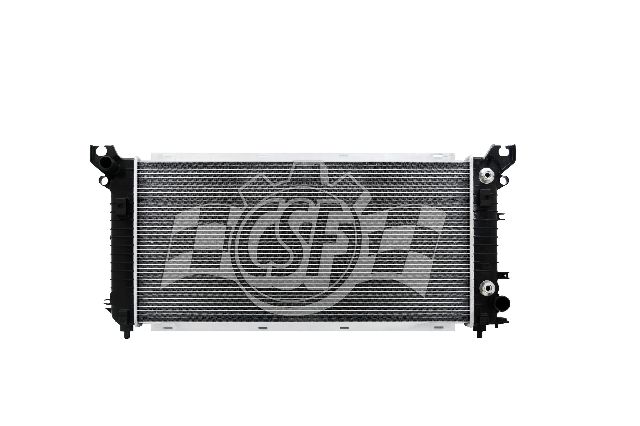
- CSF Radiator: Known for excellent engineering and heat management, especially under load. CSF focuses on high-efficiency cores and robust construction, making them a great choice for heavy-duty use.
- Koyorad: Another top-tier brand with a reputation for quality and durability, often compared directly with CSF.
Pro Tip: Upgrading to a thicker, all-aluminum performance radiator from a brand like Mishimoto or CSF can significantly improve cooling capacity, which is beneficial if you tow or use your Yukon for heavy-duty tasks.
OEM-Quality Tier (Direct Replacement)
These brands aim to meet or exceed the original factory specifications. They are a reliable choice for a standard repair.
- Denso: Denso is a major OEM supplier for many car manufacturers. Their radiators are known for quality, reliability, and a precise fit, making for an easy installation. Many Yukon owners and mechanics trust Denso as a solid OEM-equivalent replacement.
Standard Tier (Value)
These brands offer a cost-effective solution for getting your Yukon back on the road. Quality can be more variable, so it's important to buy from a reputable seller with a good warranty.
- APDI: This is a budget-friendly brand. While some users have success, others report issues with fitment and quality. It's a viable option if cost is the primary concern, but be aware of the potential for issues.
- Global Parts / One Stop Solutions: These brands fall into the standard replacement category, offering a balance of price and function for daily driving needs.
Estimated Replacement Costs

The cost to replace your Yukon's radiator depends on the parts you choose and whether you do the work yourself.
| Item | Estimated Cost |
|---|---|
| New Aftermarket Radiator | $229 - $1,000 |
| Shop Labor | $300 - $550 |
| Total Professional Installation | $529 - $1,550 |
Frequently Asked Questions
Do I need to replace anything else with the radiator?
Yes. It is critical to replace the thermostat at the same time. A faulty thermostat is a known cause of radiator failure in these Yukons. It's also a good idea to inspect and consider replacing the upper and lower radiator hoses, as they can become brittle over time.
Are there any recalls for the 2016-2024 GMC Yukon radiator?
My search did not find any specific recalls issued by the NHTSA for the radiator itself on 2016-2024 GMC Yukons. However, GM did issue a Technical Service Bulletin (TSB) related to radiator failures caused by faulty thermostats on earlier models, and the issue is known to persist on later models as well. There is a recall for some 2021-2024 Yukons with the 6.2L engine for an internal engine issue, but it is not directly related to the radiator.
Is a thicker, all-aluminum radiator always better?
For heavy use like towing, a thicker all-aluminum radiator offers better durability and cooling. The plastic/aluminum design of the stock radiator is prone to leaking at the seams. For a daily driver that doesn't tow, a quality OEM-style replacement like Denso is perfectly adequate.
Can I replace the radiator myself?
Yes, for a mechanically inclined person, this is a doable DIY job that can be completed in an afternoon. You will need a good set of tools, a drain pan, and the ability to properly bleed the air out of the cooling system after installation. There are many video guides available online that walk through the process.
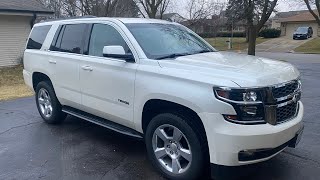
🎬 See this step-by-step radiator replacement walkthrough for Yukon and Tahoe models.Helpful Videos
Technical Specifications
OEM Part Numbers: 20935856 84529469
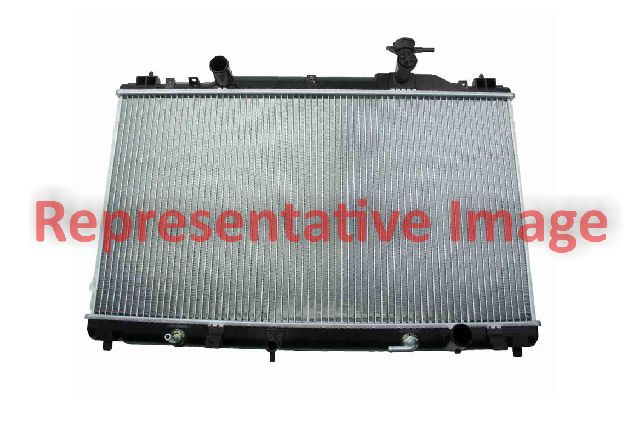
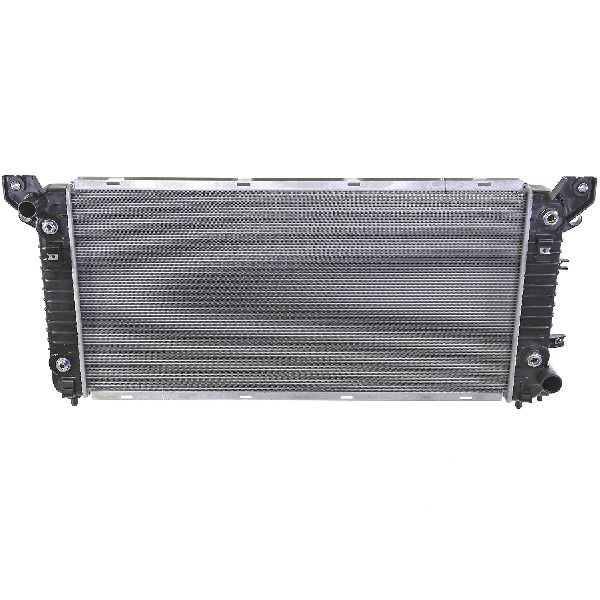
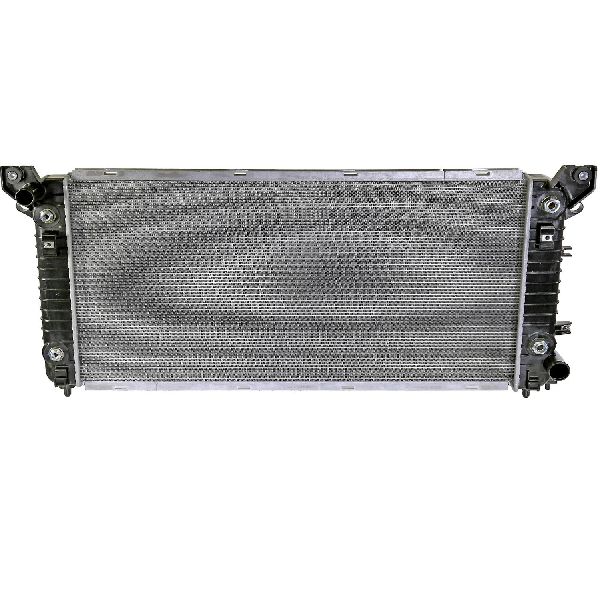
The GMC Yukon in this year range uses a crossflow style radiator, typically with a plastic tank and aluminum core construction from the factory. Key variations depend on whether the vehicle is equipped with the Max Trailering Package (RPO code NHT), which requires connections for both an engine oil cooler and a transmission cooler. Standard models may only have a transmission cooler. Core sizes are typically around 34 inches.
We Have This Part in Stock


The information in this article is provided for general reference and educational purposes only. Vehicle specifications, procedures, and part compatibility can vary by production date, trim level, and region. Always consult your vehicle's factory service manual and verify part numbers before purchasing or performing repairs. Safety-critical components such as airbags, seat belts, and braking systems should be installed by a qualified professional.
- GMC Yukon: