

Chevrolet Tahoe Oxygen Sensor: A Guide for 2016-2024 Models
Everything a 2016-2024 Chevrolet Tahoe owner needs to know about replacing a faulty oxygen sensor.
- For reliable performance, choose OEM (ACDelco) or OEM-equivalent brands like Denso and NGK/NTK.
- Your Tahoe has four O2 sensors; use a code scanner to identify which one has failed before buying a replacement.
- Part numbers are different for 2016-2020 and 2021-2024 models; always verify fitment with your VIN.
- Ignoring a bad O2 sensor can lead to decreased fuel economy and expensive catalytic converter damage.
Understanding Oxygen Sensor Failure in Your Tahoe


Oxygen sensors operate in a harsh environment, constantly exposed to hot exhaust gases, and they wear out over time. Contamination from engine oil or coolant can also cause them to fail prematurely. While they are designed to last a long time, it's common to replace them around 100,000 miles as preventative maintenance or when symptoms appear. Ignoring a bad O2 sensor can lead to more expensive problems, like a damaged catalytic converter, which is a much costlier repair.
Generation Differences: 2016-2020 vs. 2021-2024
It is important to know that the oxygen sensors for the 2016-2020 Tahoe (K2XX platform) are different from those used in the 2021-2024 models (T1 platform). They use different part numbers and are not interchangeable. Always confirm the part number for your specific vehicle using your VIN before ordering.
Known Issue: TSB for 2024 Models
General Motors issued Technical Service Bulletin (TSB) 24-NA-042 for some 2024 Chevrolet Tahoe models. This bulletin notes that the wiring harness for the Bank 1 Sensor 1 (upstream sensor on the driver's side) may be routed incorrectly, causing it to contact the hot exhaust pipe. This can lead to a variety of fault codes, including P0300 (Engine Misfire), P0135 (O2 Heater Performance), and P0171 (System Too Lean). If you have a 2024 model showing these codes, the wiring should be inspected before replacing the sensor itself.
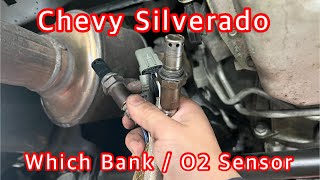
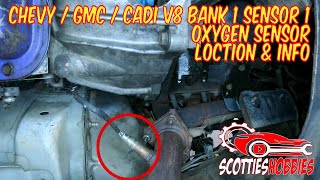
🎬 Watch this walkthrough for replacing a Bank 1 Sensor 1.Choosing the Right Aftermarket Oxygen Sensor

When shopping for a replacement O2 sensor, you'll find several brands. For a critical component like this, quality matters. Using a poor-quality sensor can cause persistent check engine lights and performance issues. Forum discussions among Tahoe owners strongly favor using original equipment parts to avoid problems.
Brand Quality Tiers for Chevrolet Tahoe
- Tier 1: OEM & OEM-Equivalent (Recommended)
- ACDelco: This is GM's own parts brand and the original equipment (OE) manufacturer. Choosing ACDelco guarantees a perfect fit and performance as designed from the factory. Many forum members state that sticking with the OEM part is the best way to ensure a lasting repair.
- Denso & NGK (NTK): Denso and NGK (under their NTK sensor brand) are well-regarded as the actual manufacturers for many ACDelco sensors. They are considered top-quality, OEM-equivalent options that often cost less than the GM-branded box.
- Tier 2: Quality Aftermarket
- Bosch: Bosch is a massive OEM supplier for many car brands and invented the oxygen sensor. However, for GM vehicles like the Tahoe, owner feedback is mixed. Some have no issues, while others report problems and recommend sticking to ACDelco, Denso, or NGK.
- Tier 3: Economy Brands
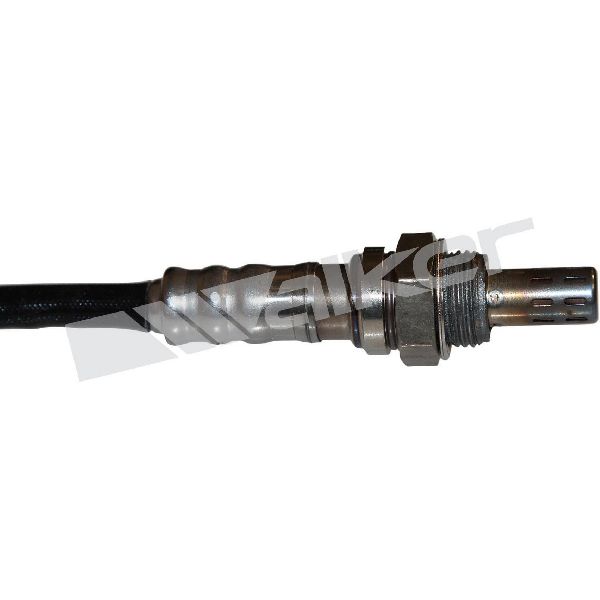
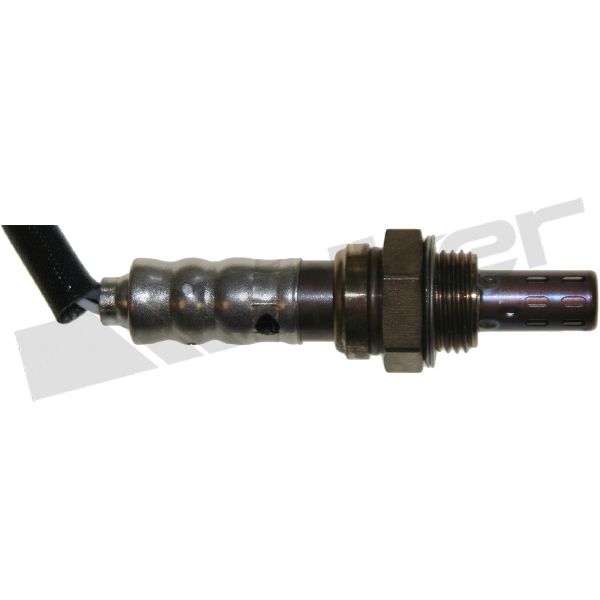
- Walker Products: Walker is known as a budget-friendly option. While they may work, some users have reported them as being lower quality or failing prematurely compared to OEM or Tier 1 brands. Consider this a short-term or budget-conscious choice.
Common Ordering Mistake
Your Tahoe has four sensors in different locations: Bank 1 (driver's side), Bank 2 (passenger's side), Sensor 1 (upstream/pre-cat), and Sensor 2 (downstream/post-cat). These sensors often have different part numbers and wire harness lengths. Before ordering, use a diagnostic scanner to identify exactly which sensor has failed. Double-check part numbers against your vehicle's VIN to ensure you are buying the correct sensor for the specific location.
Replacement Costs
The cost to replace an oxygen sensor can vary based on the brand you choose and local labor rates. You can save significant money by doing the job yourself.
| Item | Estimated Cost |
|---|---|
| New OEM Sensor (ACDelco) | $45 - $100 per sensor |
| New Aftermarket Sensor | $51 - $195 per sensor |
| Shop Labor | $100 - $200 |
| Total Professional Replacement | $150 - $450 (per sensor) |
Frequently Asked Questions (FAQ)

How many oxygen sensors does a 2016-2024 Tahoe have?
All 2016-2024 Chevrolet Tahoes with V8 engines have four oxygen sensors: two upstream (before the catalytic converters) and two downstream (after the catalytic converters).
Where are the oxygen sensors located?
The sensors are threaded into the exhaust pipes. Bank 1 is on the driver's side, and Bank 2 is on the passenger's side. Sensor 1 is the upstream sensor, located between the engine and the catalytic converter. Sensor 2 is the downstream sensor, located after the catalytic converter.
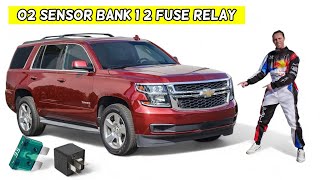
🎬 Watch this video to help locate your specific O2 sensors.Can I replace an O2 sensor myself?
Yes, this is a DIY-friendly job for someone with basic mechanical skills. The main challenge can be removing the old sensor if it is rusted in place. You will need a special tool called an oxygen sensor socket, which has a slot for the wire. Soaking the old sensor with penetrating oil beforehand can make removal much easier.
Should I replace all four sensors at once?
It is not always necessary. If only one sensor has failed, you can replace just that one. However, O2 sensors have a similar lifespan. If your Tahoe has high mileage (over 100,000 miles) and you have easy access, replacing them in pairs (both upstream or all four) can be good preventative maintenance.
Helpful Videos
Technical Specifications
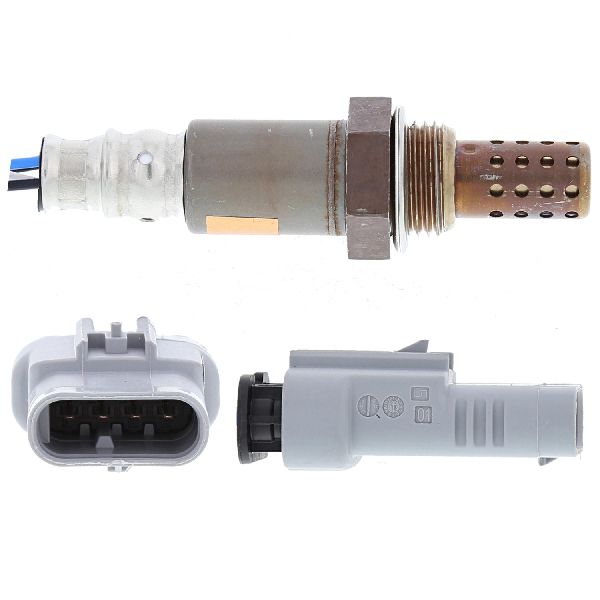
OEM Part Numbers: 12666673 12659516 12670253 12668435 12687606
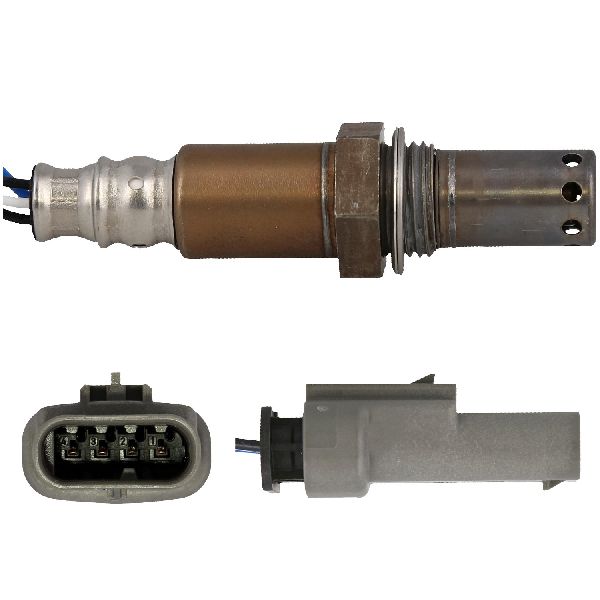
Your 2016-2024 Tahoe is equipped with four heated, 4-wire oxygen sensors. There are two upstream (pre-catalyst) and two downstream (post-catalyst) sensors. The specific part numbers and wire harness lengths vary by model year and sensor location (Bank 1/Driver Side vs. Bank 2/Passenger Side).
We Have This Part in Stock


The information in this article is provided for general reference and educational purposes only. Vehicle specifications, procedures, and part compatibility can vary by production date, trim level, and region. Always consult your vehicle's factory service manual and verify part numbers before purchasing or performing repairs. Safety-critical components such as airbags, seat belts, and braking systems should be installed by a qualified professional.
- Chevrolet Tahoe: