

Oxygen Sensor Guide for the 2016-2024 Chevrolet Malibu
Understand the oxygen sensors on your 2016-2024 Chevrolet Malibu and learn how to choose the right aftermarket replacement.
- A bad oxygen sensor will trigger the check engine light and hurt fuel economy.
- For best results, use an OEM-equivalent brand like ACDelco, Denso, or NGK/NTK.
- A special slotted socket is highly recommended for DIY replacement.
- Check for power steering fluid leaks above the sensor, as this is a known issue that can cause sensor failure.
Understanding Oxygen Sensors on Your Malibu

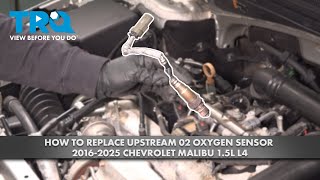
Your 2016-2024 Chevrolet Malibu has at least two oxygen sensors. The upstream sensor (also called Bank 1, Sensor 1 or an air-fuel ratio sensor) is located on the exhaust manifold before the catalytic converter. 🎬 Watch: Step-by-step guide to replacing the upstream sensor. It is responsible for providing fast feedback to the engine's computer to adjust the air-fuel mixture. The downstream sensor (Bank 1, Sensor 2) is located after the catalytic converter and its main job is to monitor the converter's efficiency. When a sensor fails, it can negatively impact your car's performance and fuel mileage.
Symptoms of a Failing Oxygen Sensor

A bad oxygen sensor can cause several noticeable problems. You might not notice them all, but even one can be a sign it's time for a replacement.
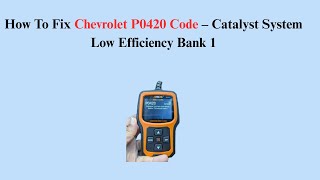
- Check Engine Light: This is the most common sign. A code scanner will often show codes like P0131, P0135, P0171, or P0420. 🎬 See how to diagnose and fix a P0420 code.
- Poor Fuel Economy: The engine may use more fuel than necessary because the air-fuel mixture is incorrect.
- Rough Idle or Misfires: Your engine might run unevenly, shake, or hesitate, especially when idling.
- Bad Smell from Exhaust: A failing sensor can lead to a rich fuel mixture, causing a rotten egg or gasoline smell from the exhaust.
- Failed Emissions Test: An O2 sensor that isn't working correctly will almost always cause a failed emissions test.
Known Issue: Power Steering Fluid Contamination
A GM Technical Service Bulletin (TSB #18-NA-009) notes a specific issue on some vehicles where a leaking power steering hose can drip fluid onto the oxygen sensor wiring harness. This contamination can damage the sensor and its connector, causing various O2 sensor-related codes (like P0131, P0132, P0171) and performance issues. If replacing your sensor, inspect the area above it for any signs of fluid leaks from the power steering system.
Choosing the Right Aftermarket Oxygen Sensor

When it comes to aftermarket parts, quality can vary. For a critical part like an oxygen sensor, it's best to stick with reputable brands. ACDelco is the original GM parts brand, but other top-tier manufacturers often produce the original parts for GM.
Tier 1: OEM or Equivalent Quality
- ACDelco: As the genuine GM parts brand, ACDelco offers a direct-fit, original-quality part. Many owners prefer to stick with ACDelco to ensure compatibility and avoid potential issues.
- Denso & NGK (NTK): Both Denso and NGK (which markets sensors under the NTK brand) are major original equipment suppliers for many automakers, including GM. They are widely regarded as high-quality alternatives that often meet or exceed OEM specifications.
Tier 2: Trusted Aftermarket Brands
- Bosch: Bosch invented the oxygen sensor and is a massive OE supplier. However, owner feedback is mixed. While many have success with Bosch sensors, some mechanics and owners report occasional out-of-the-box failures or compatibility issues with GM vehicles. It is generally a reliable choice but may not be the top pick for some GM purists.
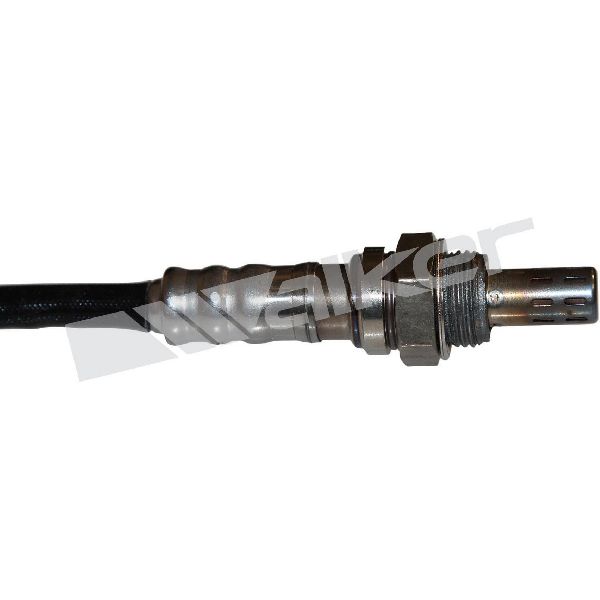
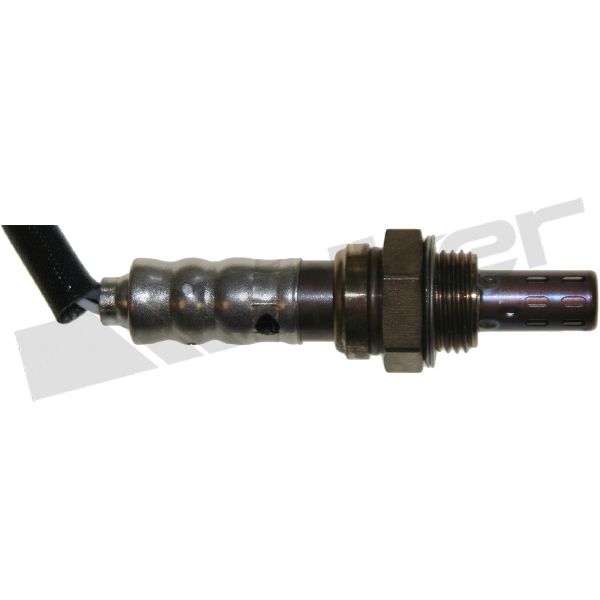
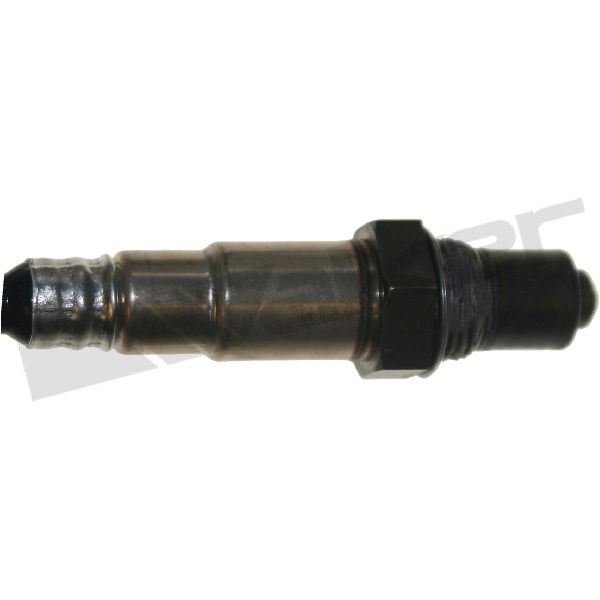
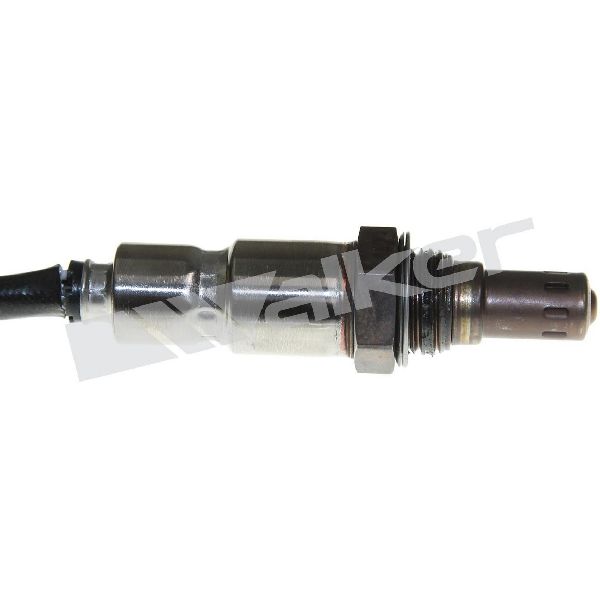
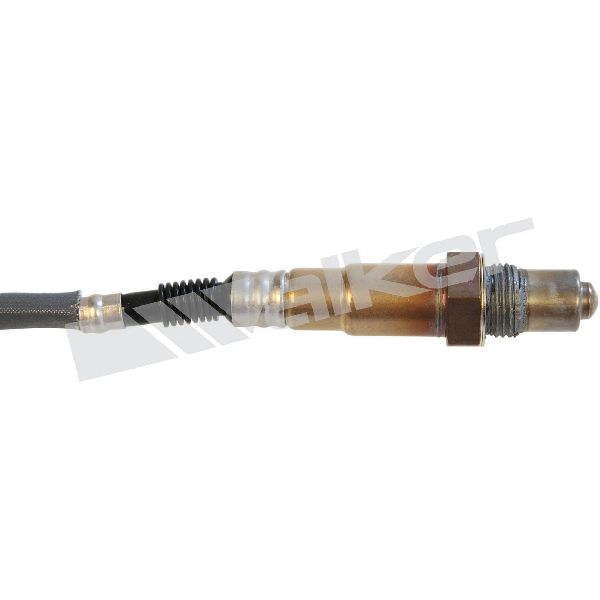
- Walker Products: Walker is a well-known aftermarket exhaust and emissions component manufacturer. Their sensors are often seen as a good-value option, providing a balance of quality and affordability. They are generally considered a reliable standard replacement.
Pro Tip: Always choose a "direct-fit" sensor for your Malibu. These come with the correct wire length and factory-style connector, making installation much easier 🎬 Watch this walkthrough for a 2017 Malibu sensor replacement. than a "universal" sensor that requires splicing wires.
Estimated Costs for Replacement
| Item | Estimated Cost |
|---|---|
| New Aftermarket Oxygen Sensor | $58 - $195 |
| Shop Labor | $80 - $150 |
| Total Professional Replacement | $138 - $345 |
Costs are estimates and can vary based on your location, the specific sensor being replaced (upstream is often more expensive), and the repair shop's labor rates.
Frequently Asked Questions

Do I need a special tool to replace an oxygen sensor?
Yes, it is highly recommended. A special oxygen sensor socket is designed with a slot for the wire to pass through. This allows you to use a ratchet or breaker bar to get the leverage needed to remove the old sensor, which can be very tight. You can often rent this tool from auto parts stores.
Should I replace both sensors at the same time?
It's not always necessary, but it can be a good idea, especially on higher-mileage vehicles (over 60,000-100,000 miles). Oxygen sensors age and become less responsive over time. If one has failed, the other may not be far behind. Replacing them in pairs can ensure the system is balanced and performing optimally.
What's the difference between upstream and downstream sensors?
The upstream sensor (Sensor 1) is before the catalytic converter and measures the raw exhaust from the engine to control the air-fuel ratio. The downstream sensor (Sensor 2) is after the catalytic converter and checks if the converter is working correctly. Your check engine light code will usually specify which sensor is having a problem.
Are there any recalls for the Malibu oxygen sensor?
As of early 2026, there are no specific recalls issued by the NHTSA for the oxygen sensor on the 2016-2024 Chevrolet Malibu. However, there are Technical Service Bulletins (TSBs) that address issues that can cause oxygen sensor fault codes, such as exhaust leaks or fluid contamination.
Helpful Videos
Technical Specifications
OEM Part Numbers: 12634064
The 2016-2024 Malibu typically uses a 4-wire, heated, narrow-band oxygen sensor with a specific-fit connector. The upstream sensor may be referred to as an Air/Fuel Ratio sensor.
We Have This Part in Stock


The information in this article is provided for general reference and educational purposes only. Vehicle specifications, procedures, and part compatibility can vary by production date, trim level, and region. Always consult your vehicle's factory service manual and verify part numbers before purchasing or performing repairs. Safety-critical components such as airbags, seat belts, and braking systems should be installed by a qualified professional.
- Chevrolet Malibu: