

Volkswagen Jetta Engine VVT Solenoid Guide: 2016-2023
Fixing your Jetta's rough idle, poor acceleration, or check engine light might be a simple VVT solenoid replacement.
- A check engine light with codes like P0011 or P0016 is a strong indicator of a failing VVT solenoid.
- Replacing a VVT solenoid is a simple, beginner-friendly DIY task that can be done in under an hour with basic tools.
- Using the correct VW-specified engine oil and maintaining regular oil changes is the best way to prevent VVT solenoid failure.
- Always verify the part number for your specific engine (1.4T, 1.5T, etc.), as they are not all interchangeable.
Is a Failing VVT Solenoid Causing Your Jetta's Problems?

If your 2016-2023 Jetta has developed a rough idle, feels sluggish, or has the check engine light on, a faulty Variable Valve Timing (VVT) solenoid is a likely suspect. This component, also known as a camshaft adjustment valve, is a common failure point, often due to dirty engine oil. When it fails, it can't properly adjust the engine's timing, leading to a host of noticeable issues. Fortunately, replacing it is straightforward and can restore your engine's performance.
Signs of a Bad VVT Solenoid in a VW Jetta

A bad VVT solenoid will almost always let you know something is wrong. Watch for these specific signs:
🎬 Watch: 7 common symptoms of a failing VVT solenoid- Check Engine Light: This is the most common symptom. The light will turn on when the car's computer detects a problem with the camshaft timing. Common trouble codes include P000A, P0011, P0016, and P0341. 🎬 See how to diagnose a P0016 code on your VW
- Rough Idle: Your Jetta may shake or vibrate more than usual when stopped at a light or in park. The engine RPM might be unstable.
- Poor Acceleration: The car may feel weak or slow to respond when you press the gas pedal.
- Worse Gas Mileage: If the engine timing is off, it burns more fuel than it should, and you'll notice more frequent trips to the gas station.
- Engine Stalling: In more serious cases, the engine may stall at low speeds or when coming to a stop.
- Engine Noise: You might hear a ticking or rattling noise from the top of the engine, especially on startup or during acceleration.
The Importance of Clean Oil
The number one killer of VVT solenoids is dirty or incorrect engine oil. The solenoid has tiny passages and screens that get clogged with sludge. Using the correct VW-specified synthetic oil and changing it on schedule is the best way to prevent premature failure.
Known Issues, Recalls, or TSBs

As of early 2026, there are no active recalls from the National Highway Traffic Safety Administration (NHTSA) specifically for VVT solenoid failure on the 2016-2023 Volkswagen Jetta. Likewise, no specific Technical Service Bulletins (TSBs) point to a widespread defect. However, many TSBs exist for related symptoms like rough running or check engine lights with various codes, where a faulty VVT solenoid could be the root cause. The failure is typically considered a standard wear-and-tear issue, often accelerated by oil condition.
Choosing the Right Aftermarket VVT Solenoid

You don't need to buy an expensive OEM part from the dealer. Many aftermarket brands offer excellent quality, often for less than half the price. Here’s how they generally stack up for your Jetta:
- Premium Aftermarket (OEM-Quality): Brands like Febi and Vemo are often original equipment suppliers to Volkswagen or produce parts to the exact same standards. Standard Ignition (SMP) and Gates are also highly reputable brands with a long history of making reliable engine components. These are excellent choices for a fit-and-forget repair.
- Quality Aftermarket: Brands like Dorman, Beck Arnley, and Holstein provide reliable parts that meet or exceed OEM specifications. Dorman, in particular, sometimes redesigns parts to fix original flaws. These offer a great balance of price and quality.
- Value-Oriented: Brands like Walker Products, Global Parts, and Rostra Powertrain offer a more budget-friendly option. While they can be a good choice for a cost-effective repair, their long-term durability may not match the premium brands.
Match Your Engine
The 2016-2023 Jetta came with several different engines (1.4T, 1.5T, 1.8T, 2.0T). The VVT solenoids for the intake and exhaust camshafts can be different, and the part can vary by engine type. Always confirm the part fits your specific vehicle using your VIN before ordering.
VVT Solenoid Replacement Cost for 2016-2023 Jetta
The cost to replace a VVT solenoid depends on whether you do it yourself or take it to a shop. The job is very accessible and only requires basic tools, making it a great DIY task.
🎬 Watch this step-by-step VVT solenoid replacement walkthrough| Part/Service | Estimated Cost |
|---|---|
| New Aftermarket Part | $64 - $142 |
| New OEM Part | $179 - $271 |
| Shop Labor | $86 - $170 |
| Total Professional Replacement | $265 - $441 |
Frequently Asked Questions
Can I replace a Jetta VVT solenoid myself?
Yes, this is a very DIY-friendly job. The solenoids are usually on the top of the engine, held by a single T30 Torx bolt. The process involves unplugging the connector, removing the bolt, and swapping the part. It typically takes less than an hour.
How many VVT solenoids does my Jetta have?
Most modern Jetta engines have two VVT solenoids: one for the intake camshaft and one for the exhaust camshaft. They often look identical but may have different colored connectors (e.g., one black, one gray) to tell them apart. If one fails, it's often wise to replace both as a pair, especially if your engine has high mileage.
What happens if I don't replace a bad VVT solenoid?
Ignoring the problem will lead to continued poor performance, rough running, and bad fuel economy. In the long run, it can cause extra stress on your timing chain and other engine components, potentially leading to much more expensive repairs.
Can I just clean the VVT solenoid?
Sometimes, cleaning the solenoid screens with brake cleaner or intake cleaner can temporarily restore function if it's just clogged. However, if the solenoid's internal electronic coil is failing, or if the screens are damaged, cleaning won't help and replacement is the only reliable fix.
Helpful Videos
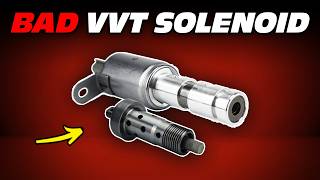
Technical Specifications
OEM Part Numbers: 04E906455D 04E906455K 04E906455P 06L109257F 06L109257B 06K109257A
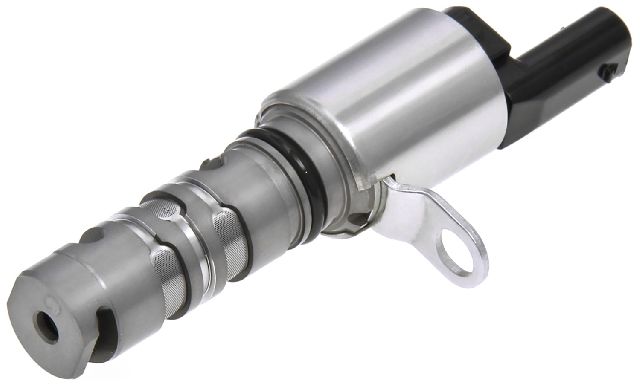
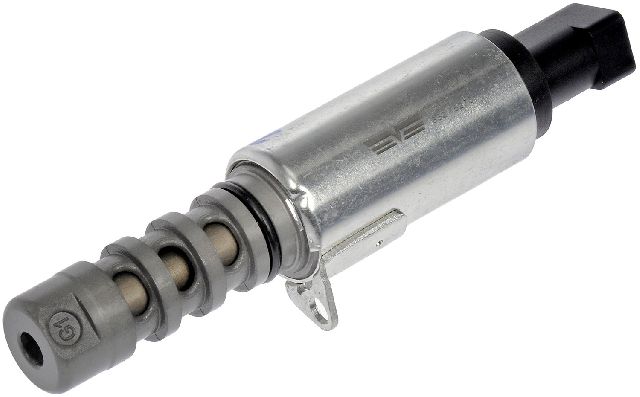
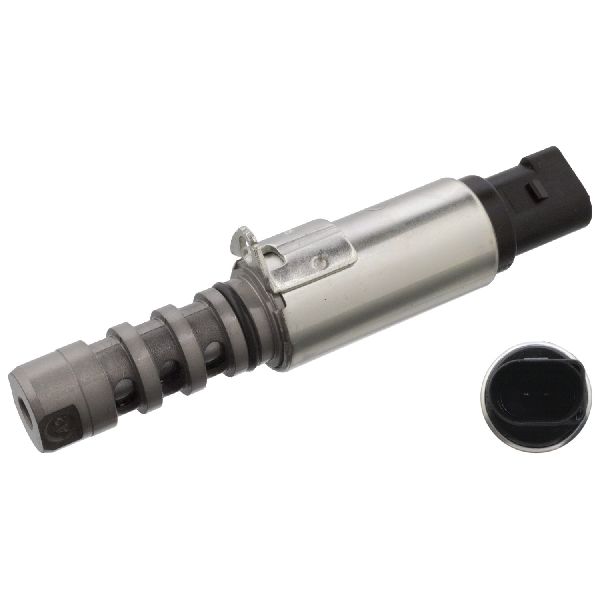
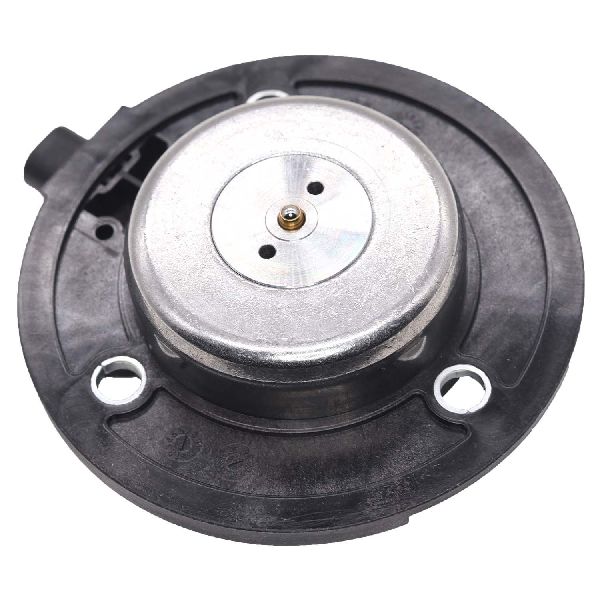
The VVT solenoid for the 2016-2023 Jetta is an electromagnetic valve that controls oil pressure to the camshaft phasers. It operates on a 12V system and typically has a 2-pin electrical connector. Most engines in this generation use two solenoids, one for the intake cam and one for the exhaust cam. Part numbers and physical design vary between the 1.4T, 1.5T, 1.8T, and 2.0T engines, so confirming fitment with a VIN is essential.
We Have This Part in Stock


The information in this article is provided for general reference and educational purposes only. Vehicle specifications, procedures, and part compatibility can vary by production date, trim level, and region. Always consult your vehicle's factory service manual and verify part numbers before purchasing or performing repairs. Safety-critical components such as airbags, seat belts, and braking systems should be installed by a qualified professional.
- Volkswagen Jetta: