

A Guide to Oxygen Sensor Replacement for the 2016-2023 Nissan Maxima
If your Maxima has a check engine light, poor gas mileage, or a rough idle, a failing oxygen sensor could be the culprit.
- Your Maxima has four O2 sensors; use an OBD-II scanner to identify the specific failing sensor before purchasing a replacement.
- For best results and to avoid compatibility issues, choose an OEM-equivalent brand like Denso or NTK (NGK).
- The rear sensors (Bank 1) are very difficult to replace and may require professional help, while the front sensors (Bank 2) are more accessible for DIY replacement.
- If you own a 2016 Maxima, check if the R1620 TSB for an ECM software update has been performed by a dealer.
Is Your Nissan Maxima's Oxygen Sensor Failing?

A failing oxygen (O2) sensor can cause noticeable problems with your vehicle's performance. Because the sensor's data directly impacts the engine's air-fuel mixture, a bad sensor can send incorrect information, leading to poor performance and potential damage to other components, like the catalytic converters. Ignoring the signs can lead to more expensive repairs down the road.
Common Symptoms of a Bad O2 Sensor:
- Check Engine Light: This is the most common sign. A code scanner can help pinpoint which sensor is failing. Common codes include P0130, P0171 (System Too Lean), and P0172 (System Too Rich).
- Poor Fuel Economy: If the engine computer gets bad data, it may inject too much fuel, causing you to visit the gas station more often.
- Rough Idle and Misfires: An imbalanced air-fuel ratio can cause your engine to run rough, shake, or misfire.
- Rotten Egg Smell: A strong sulfur smell from the exhaust can indicate that unburned fuel is overheating in the catalytic converter, a problem often linked to a bad O2 sensor.
- Failed Emissions Test: Since O2 sensors are a key part of the emissions system, a faulty one will almost certainly cause your vehicle to fail an emissions inspection.
Known Issue: 2016 Nissan Maxima TSB
Nissan issued a Technical Service Bulletin (TSB) #R1620 for some 2016 Maxima models. The issue was not a faulty sensor, but a software problem where the rear oxygen sensor could fail without triggering a check engine light. The fix is a simple software update for the Engine Control Module (ECM) performed by a Nissan dealer. It's worth checking if your vehicle was affected and if this service was performed.
Choosing the Right Aftermarket Oxygen Sensor

When shopping for a replacement, you'll find several brands available. For a Japanese vehicle like your Nissan Maxima, brand choice can make a difference in performance and longevity.
Pro Tip: Identify the Correct Sensor First
Your Maxima has four sensors in specific locations: Bank 1 is the cylinder bank near the firewall (rear), and Bank 2 is near the radiator (front). Sensor 1 is the upstream (pre-catalytic converter) Air/Fuel Ratio sensor, and Sensor 2 is the downstream (post-catalytic converter) oxygen sensor. Always confirm the exact location of the failed sensor before buying a replacement.
Aftermarket Brand Tiers for Your Maxima
- Top Tier (OEM-Equivalent): Denso & NGK/NTK
Denso and NTK (the sensor brand for NGK) are widely regarded as the original equipment manufacturers for many Japanese automakers, including Nissan. Choosing a Denso or NTK sensor is the closest you can get to buying the part from the dealer. They are designed for a direct fit and are known for their reliability and compatibility with the Maxima's engine management system. - Mid Tier: Bosch
Bosch is a massive, reputable parts manufacturer that invented the automotive oxygen sensor. While their sensors are high quality, some mechanics and owners report occasional compatibility issues when using them on Japanese vehicles that came with Denso or NTK parts from the factory. They are generally a reliable choice but sticking with the OE brand is often considered the safest bet. - Economy Tier: Walker Products
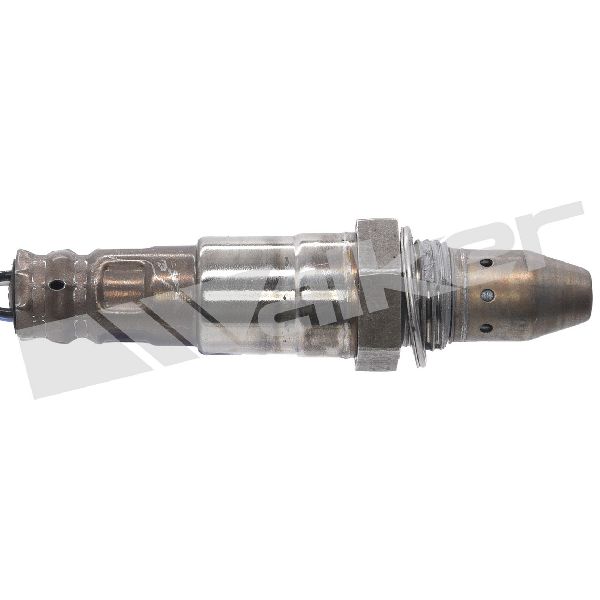
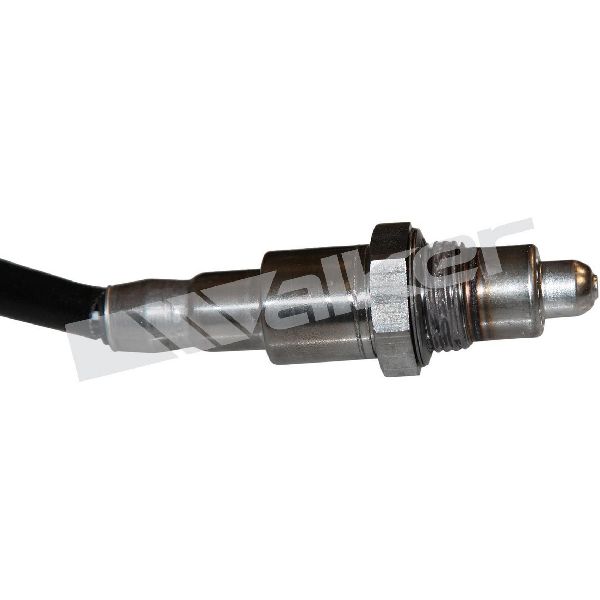
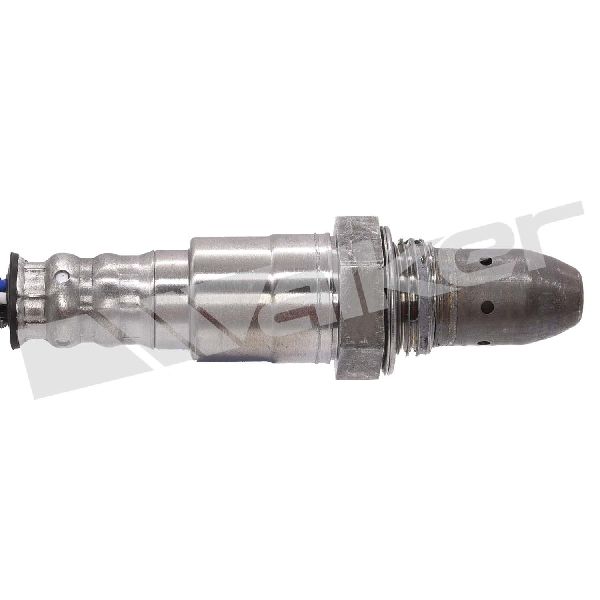
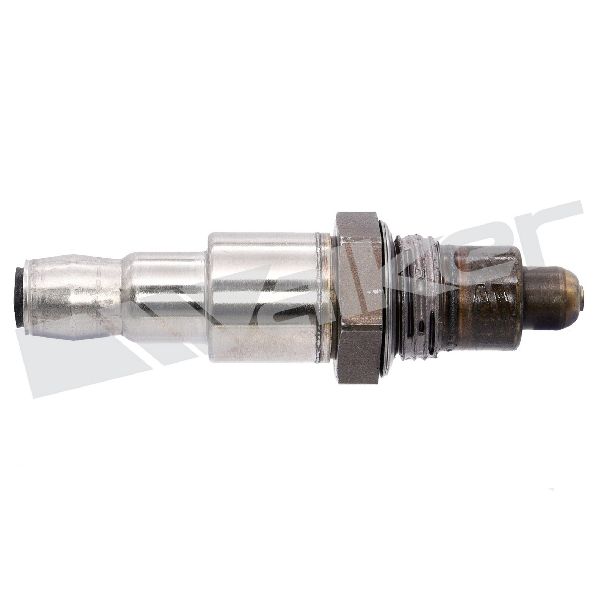
Walker is known for producing a wide range of aftermarket parts at budget-friendly prices. While they can be a good option to save money, some users on forums suggest their sensors may not have the same longevity or precise calibration as OEM-equivalent brands. For a critical component like an O2 sensor, it's often worth spending a bit more for a top-tier brand to avoid future issues.
How Much Does an Oxygen Sensor Replacement Cost?

The cost depends on which of the four sensors needs replacing and whether you do it yourself or use a repair shop. The sensors for Bank 1 (by the firewall) are significantly harder to access than the sensors for Bank 2 (by the radiator), which increases labor costs.
| Part Type | Estimated Cost |
|---|---|
| New OEM Sensor | $210 - $370 per sensor |
| New Aftermarket Sensor | $109 - $326 per sensor |
| Shop Labor | $100 - $350 per sensor |
| Total Professional Replacement | $209 - $720+ per sensor |
Frequently Asked Questions (FAQ)

How many oxygen sensors does my 2016-2023 Maxima have?
Your Nissan Maxima has four oxygen sensors. There are two upstream Air/Fuel Ratio sensors (Bank 1, Sensor 1 and Bank 2, Sensor 1) and two downstream oxygen sensors (Bank 1, Sensor 2 and Bank 2, Sensor 2).
What's the difference between an upstream and a downstream sensor?
The upstream sensor (Sensor 1) is located before the catalytic converter and is used by the engine computer to make real-time adjustments to the air-fuel mixture. The downstream sensor (Sensor 2) is located after the catalytic converter and its main job is to monitor the converter's efficiency.
Can I replace just one oxygen sensor?
Yes. You only need to replace the sensor that has failed. However, oxygen sensors have a similar lifespan, typically 60,000 to 90,000 miles. If one has failed due to age, the others may not be far behind. Some mechanics recommend replacing them in pairs (both upstream or both downstream) if your budget allows.
Is it difficult to replace a Maxima oxygen sensor myself?
The difficulty varies greatly. The front sensors (Bank 2, by the radiator) are relatively easy to access. However, the rear sensors (Bank 1, by the firewall) are very difficult to reach and may require removing other parts for access. All replacements require a special 22mm (7/8") oxygen sensor socket. Unless you are an experienced DIYer, the rear sensors are best left to a professional.
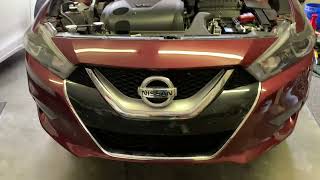
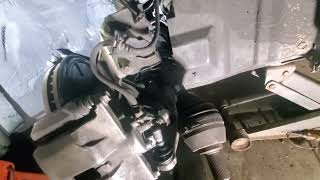
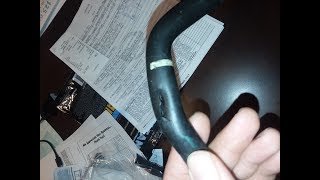
Helpful Videos
Technical Specifications
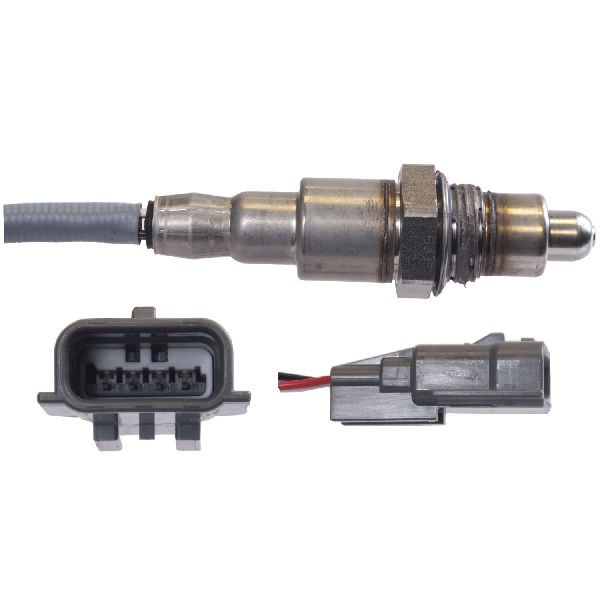
OEM Part Numbers: 22693-9HP0A 226A0-BV81A 226A0-BV81B 226A0-4LA1A 226A0-4LA1B
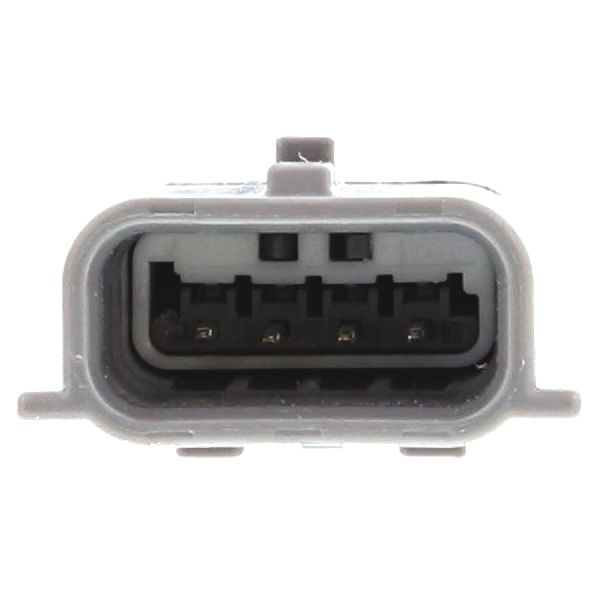
Your 2016-2023 Nissan Maxima uses wideband Air/Fuel Ratio sensors for the upstream positions (Sensor 1) and narrow-band heated oxygen sensors for the downstream positions (Sensor 2). All sensors are direct-fit with specific connectors and wire lengths, so universal sensors are not recommended.
We Have This Part in Stock

The information in this article is provided for general reference and educational purposes only. Vehicle specifications, procedures, and part compatibility can vary by production date, trim level, and region. Always consult your vehicle's factory service manual and verify part numbers before purchasing or performing repairs. Safety-critical components such as airbags, seat belts, and braking systems should be installed by a qualified professional.
- Nissan Maxima: