

A Guide to Replacing Fuel Injectors on the 2016-2022 GMC Yukon
If your Yukon is running rough, idling poorly, or has a check engine light, a failing fuel injector could be the cause.
- For 2016-2017 models, check with a GM dealer about Special Coverage N182198000 before paying for a repair.
- A light ticking sound from the engine is normal for these direct injection vehicles and is not a sign of failure.
- New aftermarket brands like Standard Ignition are a viable alternative to OEM, while remanufactured parts from brands like GBR are cheaper but carry a higher risk of defects.
- Due to the labor involved, consider replacing all injectors on the same fuel rail at the same time.
Symptoms of a Bad Fuel Injector

A failing fuel injector can cause noticeable problems with your Yukon's performance. Because the injector's job is so precise, any issue can unbalance the engine.
- Check Engine Light: This is often the first sign. You may see codes like P0300 (random misfire) or a cylinder-specific code like P0301, P0302, etc.
- Rough Idle: The engine may shake or vibrate more than usual when stopped.
- Engine Misfires: You might feel a stutter or hesitation from the engine while driving.
- Poor Acceleration: The vehicle may feel sluggish or down on power.
- Increased Fuel Consumption: If an injector is stuck open, it will waste fuel and you'll notice worse gas mileage.
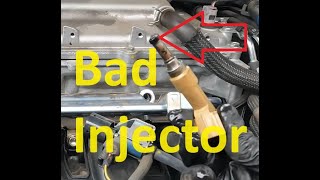
- Fuel Smell: In some cases, a leaking injector seal can cause a raw fuel smell around the engine. 🎬 Watch: How to test for a failed fuel injector
Known Issues: GM Special Coverage N182198000
For 2016-2017 GMC Yukon models with the 5.3L or 6.2L engine, General Motors issued a special coverage program for failing fuel injectors. This is not a recall but an extended warranty for this specific problem, covering repairs for up to 10 years or 150,000 miles from the original service date. Symptoms covered include a rough idle, check engine light, and stalling due to an injector delivering the wrong amount of fuel. This coverage is only for vehicles in certain states, so it is critical to check with a GM dealer to see if your vehicle is covered 🎬 See this DIY walkthrough for replacing Yukon fuel injectors before paying for repairs.
Choosing the Right Aftermarket Fuel Injector

When replacing a fuel injector, you have several options. The choice comes down to budget and how much risk you're willing to take.
OEM vs. Aftermarket Quality
For a critical part like a direct injector, Original Equipment (OEM) parts from ACDelco or GM Genuine are the safest bet for fit and reliability. However, they are also the most expensive. Aftermarket brands offer a more affordable alternative. Quality new aftermarket parts can perform well, but remanufactured parts carry a higher risk of failure.
Aftermarket Brand Tiers
- Tier 1: New Aftermarket (Standard Ignition): Standard Motor Products (SMP) is a major manufacturer of new aftermarket parts. They state their injectors are 100% new and tested to match original performance. While generally considered a reliable option, some users have reported receiving faulty parts out of the box, which is a risk with many aftermarket electronic components.
- Tier 2: Remanufactured (GBR Fuel Injection): GBR, or GB Remanufacturing, rebuilds original OEM injectors. This is often the most budget-friendly choice. However, owner reviews are very mixed. Some have used them without issue, while others report injectors failing quickly or being defective upon arrival, sometimes getting stuck open and flooding the engine with fuel. This makes them a higher-risk option best suited for those on a tight budget who are aware of the potential for issues.
Cost to Replace a GMC Yukon Fuel Injector

| Part/Service | Estimated Cost |
|---|---|
| Shop Labor | $295 - $432 |
| New OEM Injector (1) | $75 - $140 |
| New Aftermarket Injector (1) | $64 - $134 |
| Remanufactured Injector (1) | $40 - $70 |
| Total Professional Replacement (1 Aftermarket Injector) | $508 - $680 |
Frequently Asked Questions

Is the ticking noise from my engine a bad injector?
Probably not. The 2016-2022 Yukon's direct injection fuel system naturally makes a light, rhythmic ticking sound from the high-pressure fuel pump and injectors. This is normal. A failing injector is more likely to cause a rough idle or misfire than just a noise.
Should I replace one injector or all of them?
While you can replace just the one failed injector, the labor to access the fuel rail is significant. If one injector has failed from high mileage or fuel contamination, the others have been subjected to the same conditions. To avoid a repeat repair job in the near future, it is often recommended to replace them as a set, especially on higher-mileage vehicles.
Can I use a fuel injector cleaner first?
Using a quality fuel system cleaner designed for direct injection engines is a good first step, especially if the issue is minor. It can sometimes clear small deposits and restore function. If the injector has an electrical fault or is mechanically broken, a cleaner will not fix it.
What makes a 'direct' injector different?
A direct injector is mounted directly on the engine's cylinder head and sprays fuel into the combustion chamber under extremely high pressure. Older systems used port injection, which sprayed fuel into the intake manifold at much lower pressure. This makes the replacement process for direct injectors more complex.
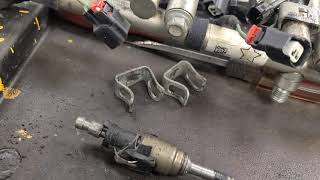
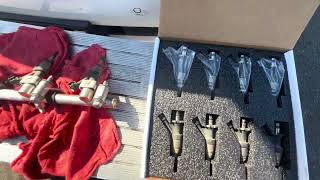
🎬 Watch: Step-by-step GDI injector replacement and intake valve cleaningHelpful Videos
Technical Specifications
OEM Part Numbers: 12656932 12684125 12668390 12668392 12710481 12656005
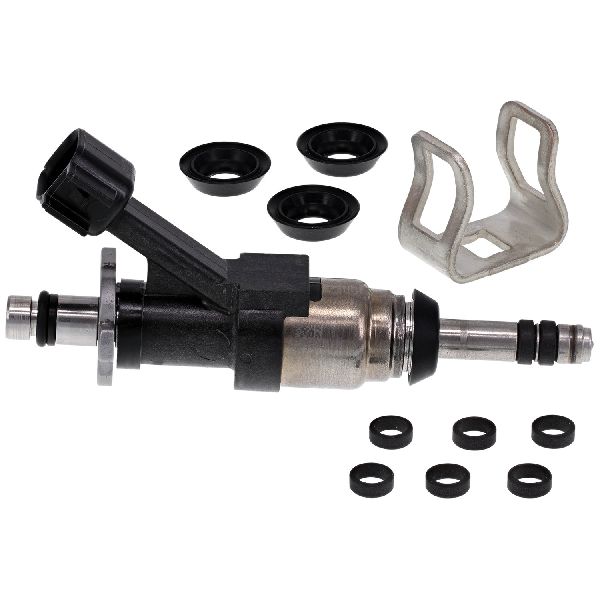
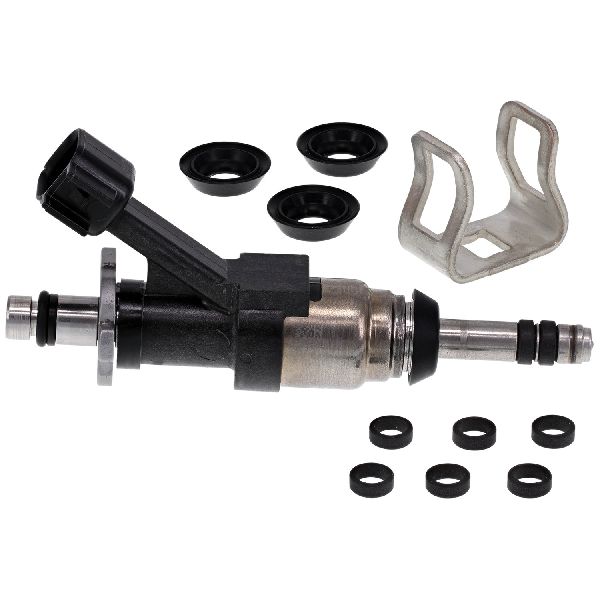
Direct Injection (DI) Fuel Injector
We Have This Part in Stock


The information in this article is provided for general reference and educational purposes only. Vehicle specifications, procedures, and part compatibility can vary by production date, trim level, and region. Always consult your vehicle's factory service manual and verify part numbers before purchasing or performing repairs. Safety-critical components such as airbags, seat belts, and braking systems should be installed by a qualified professional.
- GMC Yukon: