

A Guide to Replacing Oxygen Sensors on the 2016-2021 Volkswagen GTI
Understand the signs of a failing oxygen sensor and learn how to choose the right aftermarket replacement for your GTI.
- A bad oxygen sensor will trigger the Check Engine Light and cause poor fuel economy, rough idling, and bad smells from the exhaust.
- For best results, choose a direct-fit aftermarket sensor from a top-tier brand like Bosch, NGK, or Denso.
- There are no active recalls for oxygen sensors on the 2016-2021 GTI, but failure around 80,000-100,000 miles is common.
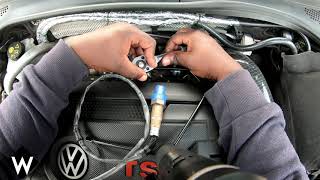
- Replacing the sensor is a manageable DIY task for those with the right tools, primarily an O2 sensor socket.
Understanding Oxygen Sensor Failure in Your GTI

Oxygen sensors in your 2016-2021 GTI operate in a harsh environment with extreme temperatures, and they will eventually wear out. It's common for them to fail between 80,000 and 100,000 miles. When a sensor fails, it can no longer provide accurate information to the engine's computer, leading to a range of noticeable problems. Addressing a failing O2 sensor promptly can prevent a drop in fuel economy, a failed emissions test, and potential damage to other expensive components like the catalytic converter.
Common Symptoms of a Bad O2 Sensor
- Check Engine Light: This is often the first and most common sign of a faulty oxygen sensor.
- Poor Fuel Economy: You'll notice you're filling up the gas tank more often as the engine uses more fuel than necessary.
- Rough Idle and Misfires: The engine may idle unevenly, hesitate, or misfire because the air-fuel mixture is incorrect.
- Rotten Egg Smell: A failing sensor can cause a rich fuel mixture, leading to a sulfur-like smell from the exhaust.
- Failed Emissions Test: A bad O2 sensor can lead to high levels of carbon emissions, causing your GTI to fail an emissions inspection.
Upstream vs. Downstream Sensors

Your GTI has multiple oxygen sensors. The "upstream" sensor (also called Sensor 1) is located before the catalytic converter, near the turbocharger. It's the primary sensor for controlling the fuel mixture. The "downstream" sensor (Sensor 2) is located after the catalytic converter and its main job is to monitor the converter's efficiency. When you get a diagnostic code, it will usually specify which sensor is having a problem.
Choosing the Right Aftermarket Oxygen Sensor

When replacing an oxygen sensor, you don't have to buy the expensive OEM part from the dealer. High-quality aftermarket brands often provide the same level of performance and reliability for less money. However, it's crucial to stick with reputable brands, as cheap, no-name sensors can cause more problems.
Brand Quality Tiers for Your GTI
Based on owner feedback and mechanic recommendations, here’s how the available brands stack up:
- Top Tier (OEM Quality): Bosch and NGK/NTK are highly recommended and are often the original equipment manufacturers for Volkswagen. Denso is also a top-tier choice known for its quality and reliability. You can't go wrong with these brands for a direct-fit replacement.
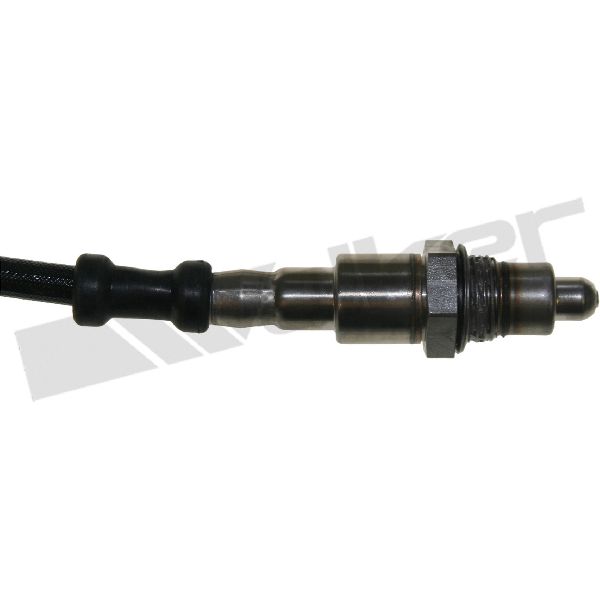
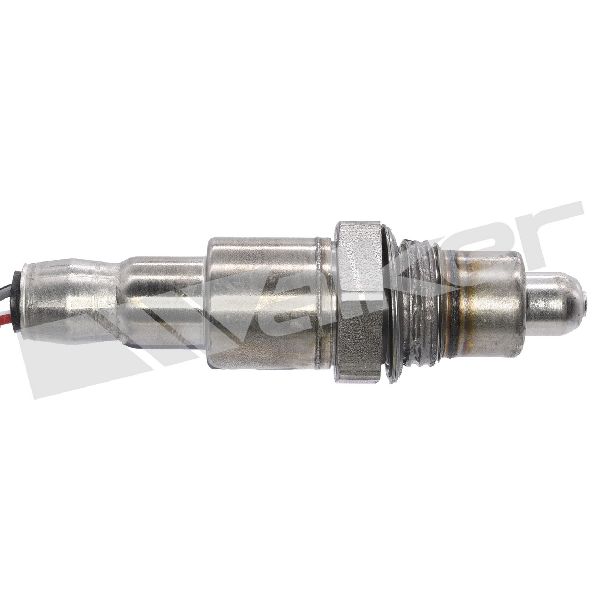
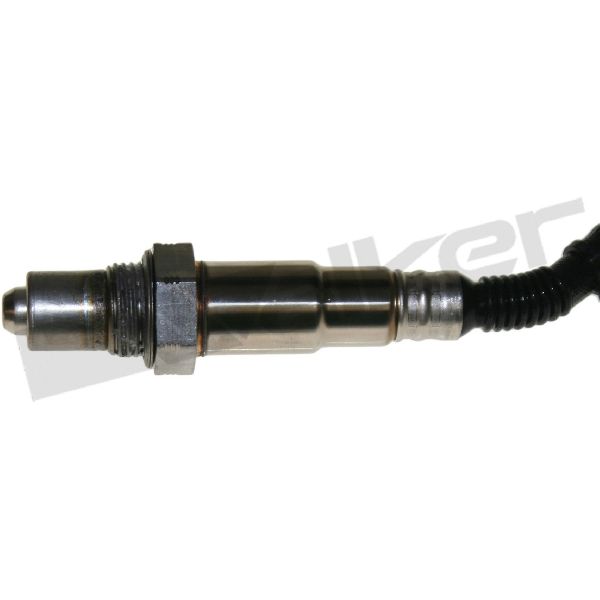
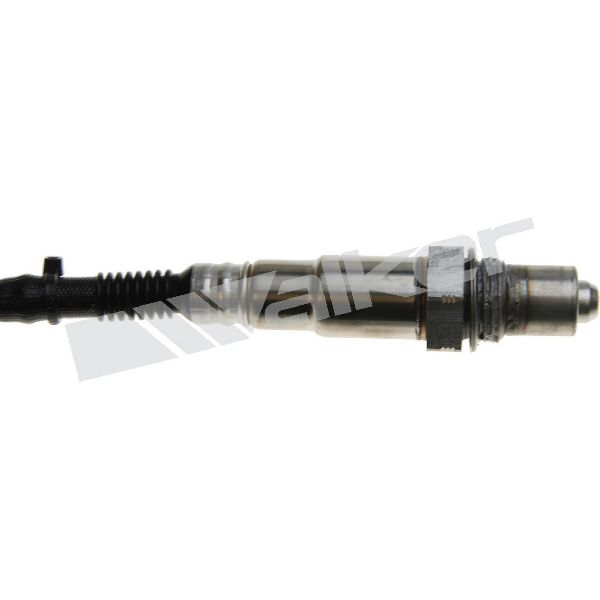
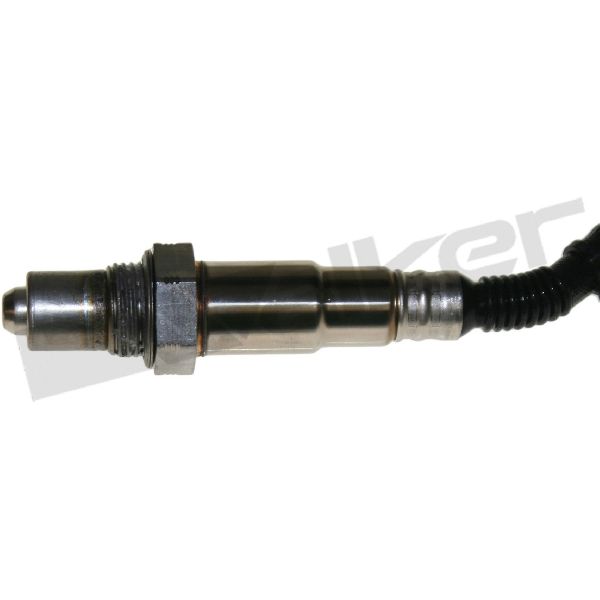
- Mid-Tier (Reliable Value): Walker Products is a well-established brand that offers a good balance of quality and affordability. They are a solid choice if you're looking for a reliable part without the premium price tag of an OEM-branded sensor.
- Entry-Level: Vemo is a German brand that produces a wide range of aftermarket parts. While they aim to meet OE standards, they are generally considered a more budget-friendly option. For a critical component like an oxygen sensor, sticking with a more established sensor specialist like Bosch, NGK, or Denso is often the safer bet for long-term reliability.
Replacement Costs for Your GTI
The cost can vary depending on which sensor you're replacing (upstream sensors are often more expensive) and who does the work.
| Part / Service | Estimated Cost |
|---|---|
| New Aftermarket Oxygen Sensor | $89.08 - $227.91 |
| Shop Labor | $100 - $200 |
| Total DIY Cost | $89.08 - $227.91 |
| Total Professional Installation | $189.08 - $427.91 |
Frequently Asked Questions

Are there any recalls for the 2016-2021 GTI oxygen sensor?
No, searches of the National Highway Traffic Safety Administration (NHTSA) database did not find any specific recalls for oxygen sensor failure on the 2016-2021 Volkswagen GTI. There have been fuel system-related recalls for some of these model years, but they do not pertain to the oxygen sensors themselves.
What are common diagnostic codes for a bad O2 sensor on a GTI?
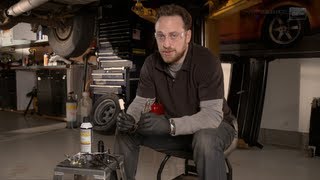
Common codes include P0130 (O2 Sensor Circuit Malfunction), P0135 (O2 Sensor Heater Circuit Malfunction), and others related to sensor response or heater circuit performance like P0030. 🎬 Watch: Troubleshooting the P0030 heater circuit code on a GTI. Forum discussions also mention codes like P2414 and P2251 for upstream sensor failures. A P0131 code indicates the upstream sensor is reading lean.
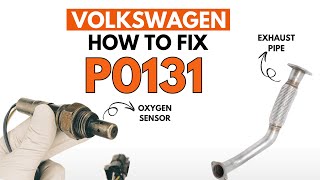
🎬 Watch: Understanding the causes and fixes for the P0131 code.Is it hard to replace a GTI oxygen sensor myself?
For a home mechanic, replacing an oxygen sensor is a feasible DIY job with a moderate difficulty rating. The main challenges are safely accessing the sensor (especially the downstream one, which requires lifting the car) and getting enough leverage to remove the old sensor, which can be seized in the exhaust pipe. You will need a special slotted socket designed for oxygen sensors. Soaking the threads with penetrating oil beforehand is highly recommended.
What's the difference between a direct-fit and universal oxygen sensor?
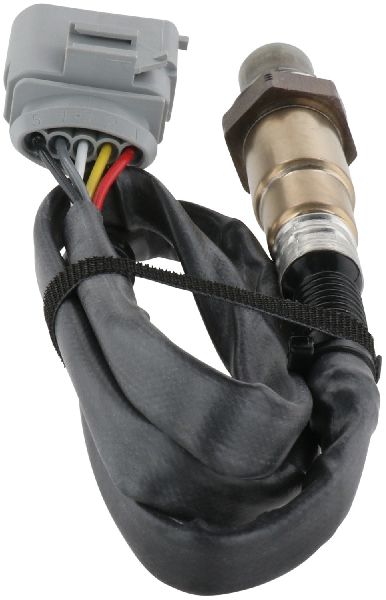
A direct-fit sensor comes with the correct electrical connector for your GTI, making installation a simple plug-and-play process. A universal sensor requires you to cut the old connector off and splice it onto the new sensor's wires. For a critical component like this, it is always recommended to use a direct-fit sensor to avoid potential wiring issues.
Helpful Videos
Technical Specifications
Your GTI uses heated, 4-wire oxygen sensors. There is one upstream (pre-catalytic converter) and one downstream (post-catalytic converter).
We Have This Part in Stock

The information in this article is provided for general reference and educational purposes only. Vehicle specifications, procedures, and part compatibility can vary by production date, trim level, and region. Always consult your vehicle's factory service manual and verify part numbers before purchasing or performing repairs. Safety-critical components such as airbags, seat belts, and braking systems should be installed by a qualified professional.
- Volkswagen GTI: