

Essential Guide to Spark Plug Replacement for the 2016-2021 Kia Sedona
Keep your Sedona's 3.3L V6 running smoothly by understanding when and how to replace your spark plugs.
- Stick with iridium spark plugs from reputable brands like NGK or Denso for the best performance and longevity.
- Replacement is recommended around every 60,000 miles, but check your owner's manual.
- Be prepared for a difficult DIY job or higher labor costs at a shop due to the need to remove the intake manifold to access the rear plugs.
- Symptoms like a rough idle, poor fuel economy, or a check engine light for misfires (P030x codes) strongly point to needing new spark plugs.
Symptoms of Failing Spark Plugs in a Kia Sedona

Worn-out spark plugs can't create a strong enough spark to ignite the fuel mixture efficiently. When your Sedona's spark plugs are failing, you'll likely notice one or more of these signs:
- Rough Idling: The engine may feel shaky or vibrate more than usual when you're stopped.
- Engine Misfires: You might feel a hesitation or stumble during acceleration. The check engine light may also flash or stay on, with codes like P0300-P0306. 🎬 Watch this video to see a professional misfire diagnosis.
- Reduced Fuel Economy: If you're filling up the gas tank more often, worn plugs could be a cause. Inefficient combustion wastes fuel.
- Difficulty Starting: A weak spark makes it harder for the engine to turn over, especially in cold weather.
- Poor Acceleration: Your Sedona may feel sluggish or less responsive when you press the gas pedal.
Choosing the Right Aftermarket Spark Plugs

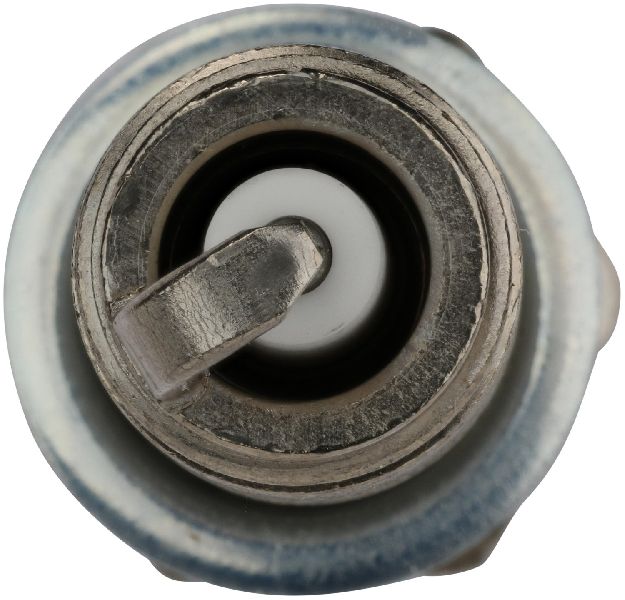
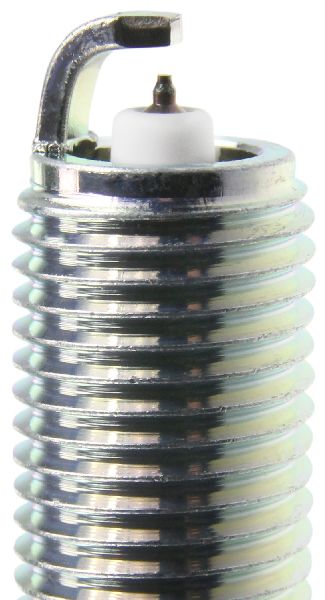
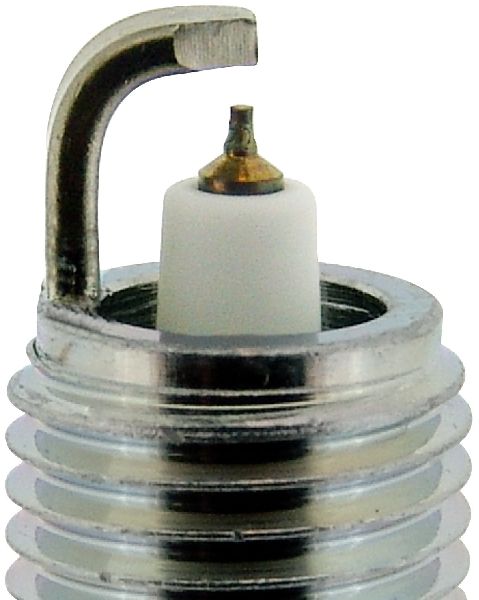
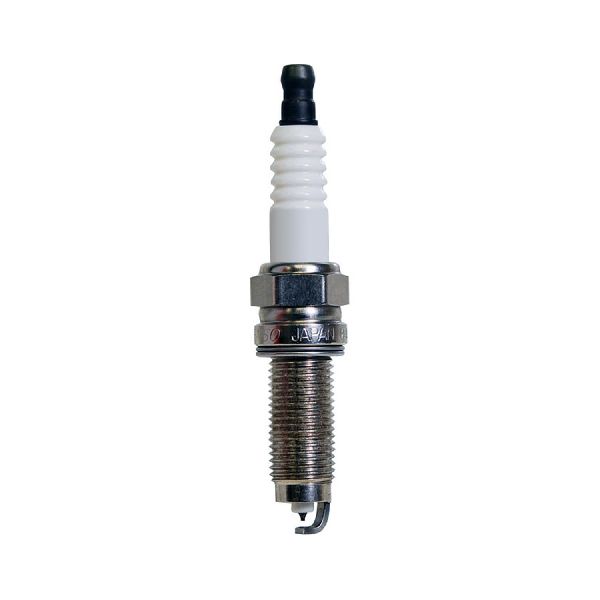
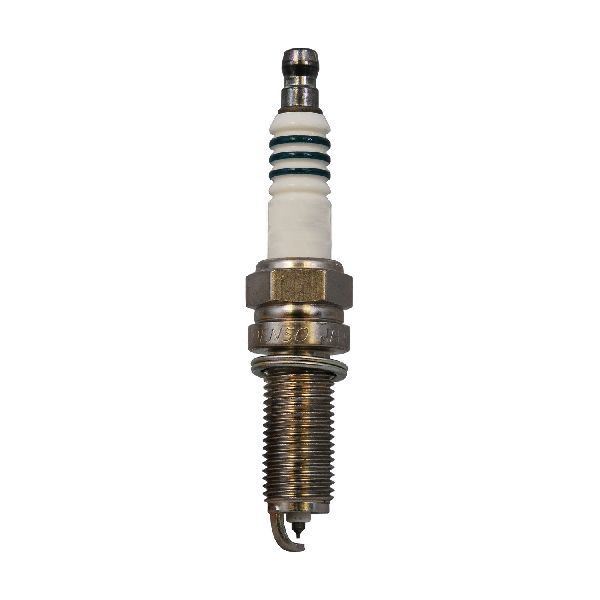
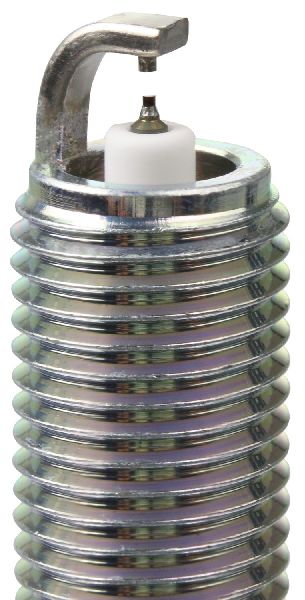
The 2016-2021 Kia Sedona came from the factory with long-lasting iridium-tipped spark plugs. When choosing a replacement, it's best to stick with this type for optimal performance and longevity. While cheaper copper or platinum plugs might be available, they won't last as long and may not perform as well in the Sedona's 3.3L V6 engine.
Aftermarket Brand Tiers for Kia Sedona
| Tier | Brands | Quality & Performance |
|---|---|---|
| Top Tier (OEM-equivalent or better) | NGK, Denso | Both NGK and Denso are original equipment suppliers for many automakers, including Kia. Their iridium spark plugs, like the NGK Laser Iridium or Denso Iridium Power, are engineered to meet or exceed factory specifications for performance and durability. They are a trusted choice for a direct, high-quality replacement. |
| Mid-Grade | Bosch, Champion | Bosch and Champion offer quality iridium and double platinum spark plugs that are a good alternative to OEM. They provide reliable performance and a long service life, often at a slightly lower price point than the top-tier brands. |
| Economy | Autolite, Skyward | These brands provide a budget-friendly option. While they may offer iridium plugs, their main focus is often on more basic plug types. They can be a suitable choice if you're on a tight budget, but they may not offer the same longevity or refined performance as higher-tier brands. |
Known Issues, Recalls, or TSBs
As of early 2026, there are no specific recalls or widespread Technical Service Bulletins (TSBs) directly concerning the spark plugs for the 2016-2021 Kia Sedona. However, it's important to be aware of related issues. Some Sedona models have been recalled for electrical system problems, such as issues with the alternator B+ terminal nut on 2020 models (NHTSA 20V-399) or the Airbag Control Unit (ACU) on 2017-2019 models (NHTSA 22V031). While not directly related to the plugs themselves, a healthy electrical system is vital for the ignition system to function correctly.
A Note on Replacement Difficulty
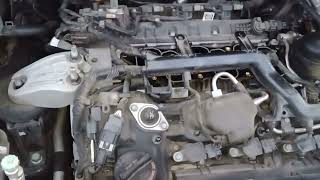
Replacing the spark plugs on the 3.3L V6 engine is more complex than on many other vehicles. The three spark plugs at the front of the engine are easy to access. However, the three rear plugs are located underneath the upper intake manifold, which must be removed to gain access. This turns a simple job into a more involved one, requiring more time, tools, and mechanical confidence. If you are not comfortable removing major engine components, it is recommended to have this service performed by a qualified mechanic.
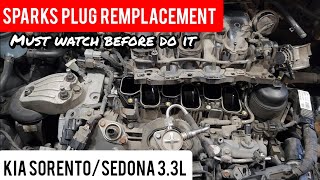
🎬 See this complete walkthrough for replacing all six spark plugs.Frequently Asked Questions (FAQ)

When should I replace the spark plugs on my 2016-2021 Kia Sedona?
The recommended replacement interval for the original iridium spark plugs is typically around every 60,000 miles or 60 months, whichever comes first. However, always consult your owner's manual for the specific maintenance schedule for your vehicle.
Is it okay to use cheaper platinum or copper spark plugs?
While technically possible, it is not recommended. The Sedona's engine is designed for the performance and long life of iridium spark plugs. Using a lower-grade plug will result in a much shorter service life (as low as 30,000 miles) and potentially reduced engine performance and fuel economy.
Do aftermarket spark plugs come pre-gapped?
Most high-quality iridium plugs from brands like NGK and Denso come pre-gapped for the specific application. However, it is always a good practice to verify the spark plug gap with a wire-style feeler gauge before installation to ensure it wasn't altered during shipping. The correct gap for the Sedona's 3.3L V6 is typically 1.0 - 1.1 mm (0.039 - 0.043 inches).
Why does it cost so much to have a shop replace the spark plugs?
The higher labor cost is due to the difficulty of accessing the rear three spark plugs. A mechanic must remove the entire upper intake manifold to reach them, which adds significant time to the job compared to an engine where all plugs are easily accessible.
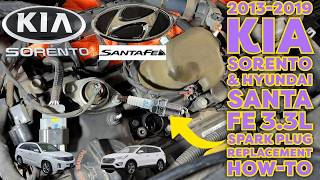
🎬 Watch a detailed how-to on removing the intake manifold.Helpful Videos
Technical Specifications
OEM Part Numbers: 1884911070 1884611070
<ul><li><strong>Engine:</strong> 3.3L V6 GDI</li><li><strong>Quantity Required:</strong> 6</li><li><strong>Spark Plug Type:</strong> Iridium</li><li><strong>Spark Plug Gap:</strong> 1.0-1.1mm (0.039-0.043 in)</li><li><strong>Socket Size:</strong> 5/8 inch or 16mm</li><li><strong>Tightening Torque:</strong> 11-18 lb-ft</li></ul>
We Have This Part in Stock

The information in this article is provided for general reference and educational purposes only. Vehicle specifications, procedures, and part compatibility can vary by production date, trim level, and region. Always consult your vehicle's factory service manual and verify part numbers before purchasing or performing repairs. Safety-critical components such as airbags, seat belts, and braking systems should be installed by a qualified professional.
- Kia Sedona: