

A Guide to the Engine Coolant Temperature Sensor for the 2016-2020 Mercedes-Benz C300
Experiencing rough running, poor fuel economy, or a check engine light on your C300? Your coolant temperature sensor might be the problem.
- A failing sensor will almost always trigger a Check Engine Light with codes like P0117 or P0118.
- For this part, stick with a Genuine Mercedes part or a high-quality aftermarket brand like Delphi or Vemo for reliability.
- Symptoms include poor fuel economy, rough running, and an erratic temperature gauge.
- Replacement is a feasible DIY job for many owners, but be prepared to lose a small amount of coolant.
Is Your C300's Coolant Sensor Failing?

A faulty Engine Coolant Temperature (ECT) sensor can cause problems that seem unrelated to engine temperature. Because the sensor's reading affects how much fuel the engine gets, a bad sensor can make your C300 run poorly and use more gas. It can also prevent the cooling fans from turning on at the right time, which could lead to overheating.
Known Issues for the 2016-2020 Mercedes-Benz C300
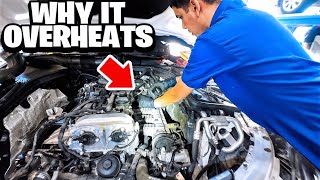
For the W205 chassis C300, there are no official recalls or widespread Technical Service Bulletins (TSBs) specifically for the engine coolant temperature sensor. However, like any electronic part, these sensors can fail with age. Overheating issues on the M274 engine used in the C300 are sometimes related to a faulty water pump, 🎬 See how to diagnose tricky overheating issues on the M274. so it's important to diagnose the problem correctly. A fault code from the ECT sensor is a strong indicator that the sensor itself, or its wiring, is the problem.
Choosing the Right Aftermarket Sensor

When replacing a critical sensor on a Mercedes-Benz, part quality matters. A cheap, inaccurate sensor can cause the same problems as a failed one. Here’s a breakdown of aftermarket brand quality based on owner and mechanic feedback:
- Premium Aftermarket (OEM-Quality): Brands like Delphi and Vemo are often considered to be high-quality choices for German vehicles. Delphi, in particular, has a long history as an OE supplier and their sensors are known for accuracy. These brands are a reliable alternative to the more expensive genuine Mercedes-Benz part.
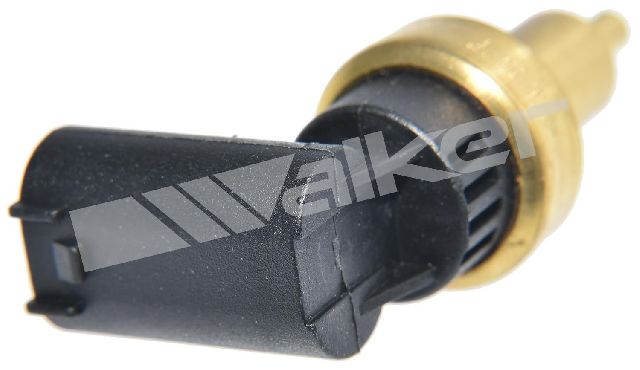
- Standard Aftermarket: Brands such as Standard Ignition (SMP), Walker Products, and Four Seasons offer dependable replacement parts that meet or exceed original specifications. They provide a good balance of price and quality.
- Budget-Friendly Options: Brands like URO Parts are known for providing affordable alternatives to genuine parts. While they can be a good value, quality can sometimes be inconsistent depending on the specific part. For a critical sensor, it's often worth spending a little more for a premium brand.
Check the Connector
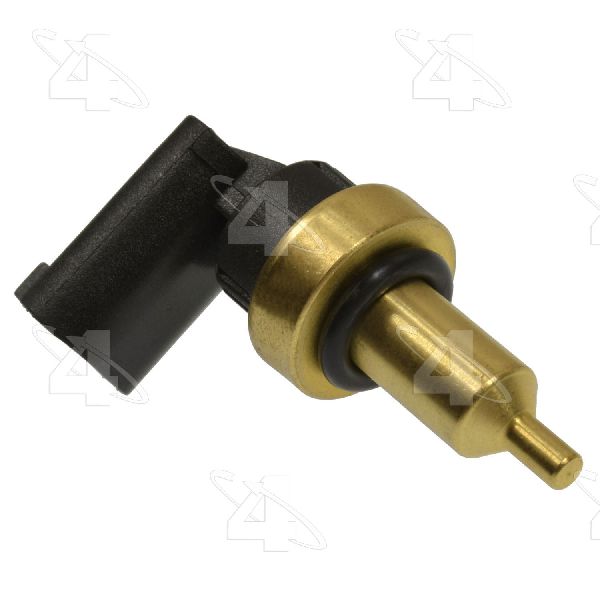
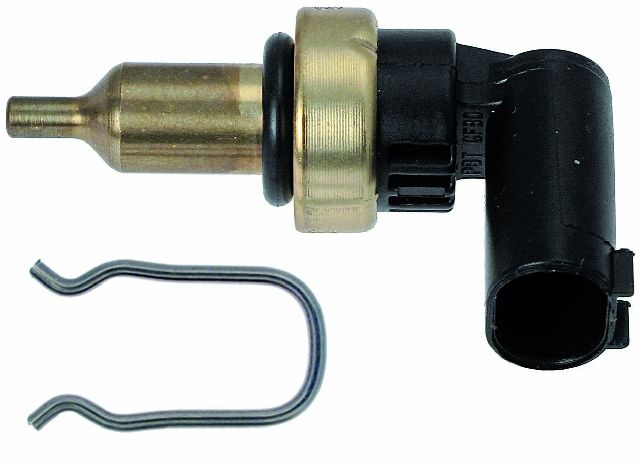
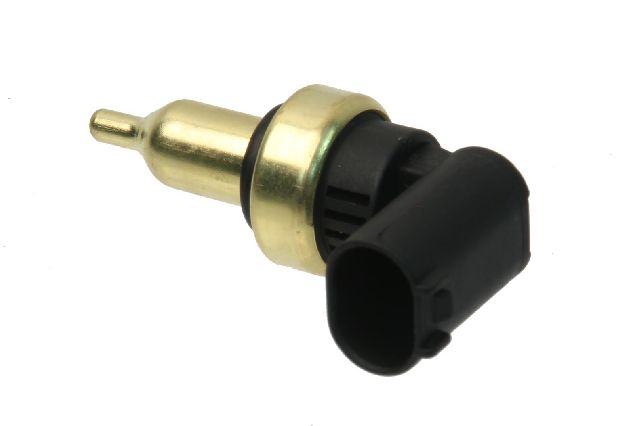
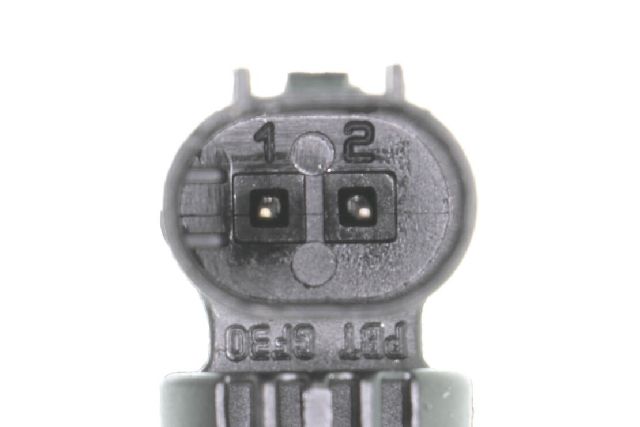
Before ordering, it's a good idea to look at your old sensor's electrical connector. While it's rare, designs can sometimes vary. Also, check the vehicle's wiring harness for any green crust or damage, as a bad connection can mimic a failed sensor.
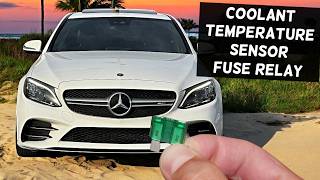
🎬 Check this video to find the sensor's fuse and relay.Cost to Replace the Engine Coolant Temperature Sensor
The cost can vary significantly between doing it yourself and having a shop perform the work. The parts themselves are generally inexpensive compared to the labor.
| Item | Estimated Cost |
|---|---|
| New Aftermarket Sensor | $10 - $125 |
| Genuine Mercedes-Benz Sensor | $125 - $450+ |
| Shop Labor | $156 - $229 |
| Total (Professional Repair) | $274 - $355 |
Frequently Asked Questions (FAQ)

Where is the coolant temperature sensor located on the 2016-2020 C300?
On the M274 engine used in the W205 C300, the sensor is often located at the front of the engine, near the thermostat housing, making it relatively accessible after removing the top engine cover. However, locations can vary, and some related sensors might be at the rear of the cylinder head. Always verify the location on your specific vehicle before starting work.
Can I drive with a bad coolant temperature sensor?
It is not recommended. Your car's computer may enter a "failsafe" mode, causing it to run rough, get poor gas mileage, and potentially foul the spark plugs. More critically, if the sensor fails to report an overheating condition, you could risk severe engine damage.
Do I need to drain the coolant to replace the sensor?
A full drain is not necessary. The sensor is submerged in coolant, so some fluid will leak out when it's removed. If you are quick and have the new sensor ready to install, coolant loss will be minimal. Be prepared with a rag and have some correct Mercedes-spec coolant on hand to top off the system afterward.
Is an OEM sensor better than aftermarket for my C300?
For a critical electronic sensor on a Mercedes, using a genuine OEM part or a top-tier aftermarket brand like Delphi or Vemo is highly recommended. These parts are built to the exact specifications your car's computer expects. A low-quality, inaccurate sensor can cause persistent performance problems, even if it's new.
Helpful Videos

Technical Specifications
OEM Part Numbers: A0009056102 0009056102
Typically a 2-pin NTC (Negative Temperature Coefficient) thermistor sensor.
We Have This Part in Stock


The information in this article is provided for general reference and educational purposes only. Vehicle specifications, procedures, and part compatibility can vary by production date, trim level, and region. Always consult your vehicle's factory service manual and verify part numbers before purchasing or performing repairs. Safety-critical components such as airbags, seat belts, and braking systems should be installed by a qualified professional.
- Mercedes-Benz C300: