

A Guide to Spark Plug Replacement for the 2016-2020 Honda Fit
Keep your Fit's engine running smoothly by understanding when and why to change your spark plugs.
- For best results, choose OEM-equivalent iridium spark plugs from NGK or Denso.
- The recommended replacement interval is around 100,000 miles, but symptoms like a rough idle or poor MPG may require an earlier change.
- DIY replacement is possible but requires a special 14mm spark plug socket and careful work due to tight clearances.
- Avoid using anti-seize compound on modern NGK or Denso plugs, as it can lead to over-tightening.
Is It Time for New Spark Plugs?

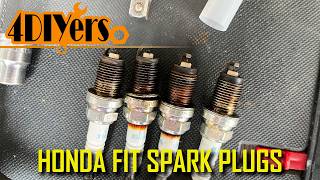
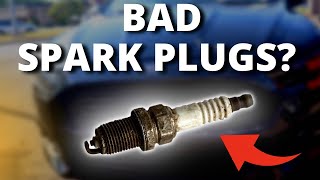
For the 2016-2020 Honda Fit, the original spark plugs are designed to last a long time, typically around 100,000 to 105,000 miles. However, your driving habits and conditions can affect this. If you notice any of the symptoms below, it might be time for an inspection, even if you haven't reached the mileage limit.
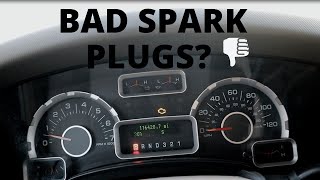
Symptoms of Failing Spark Plugs
- Rough Idle: Your car may shake or vibrate more than usual when stopped at a light.
- Poor Acceleration: The car feels sluggish or hesitant when you press the gas pedal.
- Reduced Fuel Economy: You find yourself filling up the gas tank more often than you used to.
- Engine Misfires: You might feel a jerking or sputtering sensation while driving. This can also cause the Check Engine Light to flash.
- Difficulty Starting: The engine takes longer to turn over and start.
Known Issues and Recalls
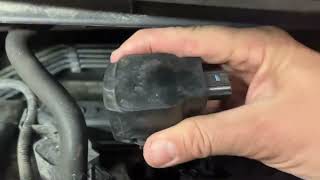
While the 2016-2020 Fit is generally reliable, the 2015 model year was subject to a recall for faulty plug top ignition coils (NHTSA Campaign #15V559). This could cause engine stalling. The fix involved replacing the coils and inspecting the spark plugs. Additionally, older Fit generations had issues with spark plugs loosening over time, but this is not considered a common problem for the 2016-2020 models.
Choosing the Right Aftermarket Spark Plugs

When shopping for aftermarket spark plugs, you have excellent options that meet or exceed original equipment (OE) quality. For your Honda Fit, the factory-installed plugs are made by either NGK or Denso.
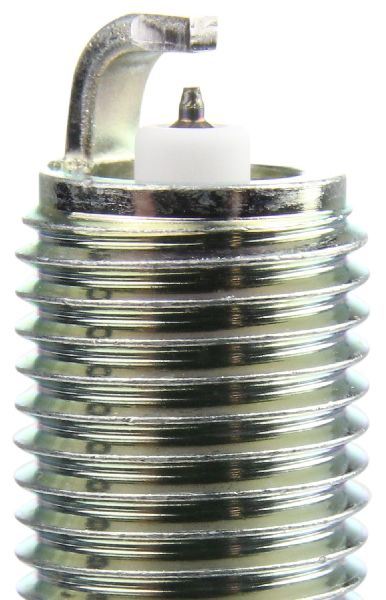
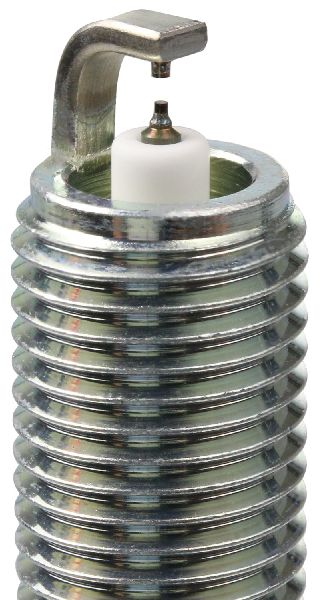
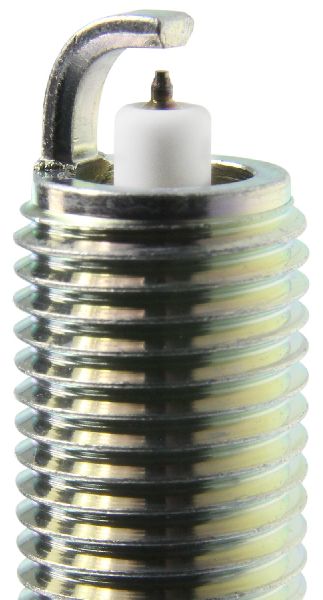
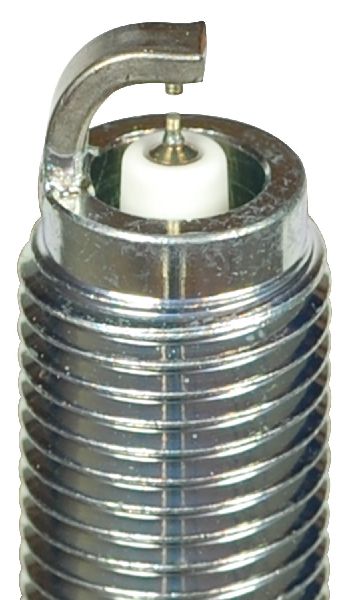
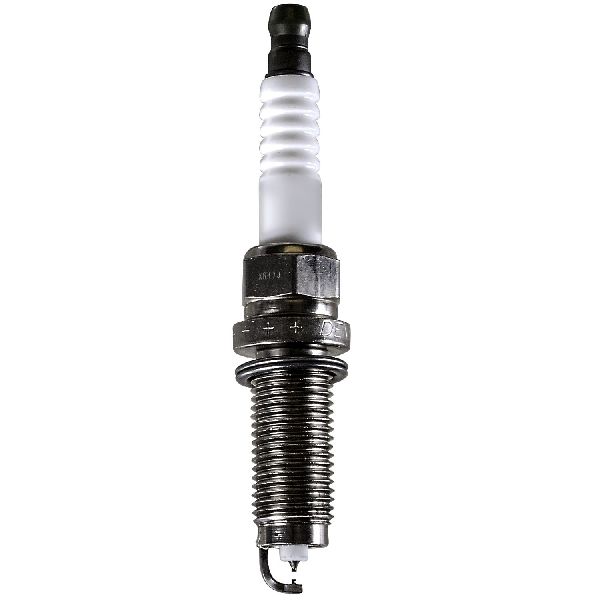
- Tier 1 (OEM): NGK & Denso: These are the original equipment manufacturers for Honda. Choosing an NGK Laser Iridium or Denso Iridium Long Life plug is the safest bet for factory-spec performance and longevity. Many owners prefer to stick with these brands because they are the same parts the dealer would use, just without the Honda packaging. The specific OEM part is the NGK DILZKAR7C11S or the Denso DXE22HCR11S.
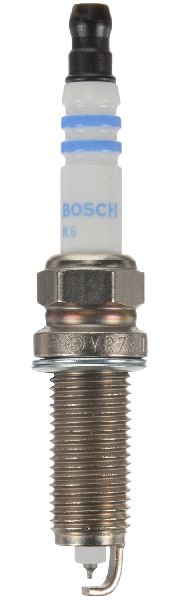
- Tier 2 (High-Quality Aftermarket): Bosch: Bosch is a well-respected brand that offers high-quality plugs, such as their Double Iridium series. These are a solid alternative to the OEM brands and can provide comparable performance and durability.
A Note on Counterfeits
Be cautious when buying spark plugs from online marketplaces, as counterfeit NGK and Denso plugs are common. Purchasing from a reputable auto parts supplier helps ensure you are getting a genuine product.
Cost of Spark Plug Replacement
| Item | Estimated Cost |
|---|---|
| OEM Spark Plugs (Set of 4) | $120 - $185 |
| Aftermarket Spark Plugs (Set of 4) | $46 - $125 |
| Shop Labor | $85 - $135 |
| Total Professional Replacement | $269 - $309 |
Frequently Asked Questions (FAQ)

Can I replace the spark plugs on my Honda Fit myself?
Yes, this is a DIY-friendly job for someone with basic mechanical skills. However, access to the plugs is tight due to the plastic cowl at the base of the windshield. You will need a specific 14mm thin-wall spark plug socket, a socket wrench with various extensions, and a torque wrench to ensure the new plugs are tightened correctly. Improper torque was a cause of issues on older models.
Should I use anti-seize on the new spark plug threads?
Major manufacturers like NGK often advise against using anti-seize on their modern plugs. The plugs have a special metal plating that prevents seizing and provides accurate torque readings. Adding anti-seize can cause you to over-tighten the plug, potentially damaging the cylinder head.
Do aftermarket spark plugs need to be gapped?
Most iridium and platinum spark plugs for the Honda Fit come pre-gapped from the factory. While it's a good practice to verify the gap with a wire-style feeler gauge, you should not attempt to re-gap a fine-wire iridium plug, as the tip is very fragile and can be easily damaged.
What is the difference between Iridium and Platinum plugs?
Iridium is a harder, more durable material than platinum. The 2016-2020 Fit uses iridium plugs from the factory for their long service life and consistent performance. While platinum plugs are also a good option, choosing iridium plugs from NGK or Denso ensures you are matching the original equipment specifications.
Helpful Videos

Technical Specifications
OEM Part Numbers: 12290-5R0-003 12290-5R0-004
Socket Size: 14mm, Material: Iridium, Brands: NGK (DILZKAR7C11S), Denso (DXE22HCR11S)
We Have This Part in Stock

The information in this article is provided for general reference and educational purposes only. Vehicle specifications, procedures, and part compatibility can vary by production date, trim level, and region. Always consult your vehicle's factory service manual and verify part numbers before purchasing or performing repairs. Safety-critical components such as airbags, seat belts, and braking systems should be installed by a qualified professional.
- Honda Fit: