

Chevrolet Malibu Coolant Temperature Sensor: A Guide for 2016-2020 Models
Understand the symptoms of a failing coolant temperature sensor in your 2016-2020 Malibu and how to choose the right replacement part.
- A bad sensor can cause a Check Engine Light, poor fuel economy, an erratic temperature gauge, and A/C issues.
- This is a low-cost part and a simple DIY repair for most owners, taking less than 30 minutes.
- For some 2018 models, a TSB (17-NA-390) exists for a false sensor code (P111E) that requires a dealer software update.
- Choose a quality aftermarket brand like ACDelco, Standard (SMP), or Delphi for a reliable repair without the high dealer cost.
Is Your Malibu's Engine Acting Up? It Could Be the Coolant Temp Sensor.

If your 2016-2020 Chevrolet Malibu is showing a fluctuating temperature gauge, getting bad gas mileage, or displaying an "A/C off due to high engine temp 🎬 Watch: How to fix the 'AC Off' warning message." message, a bad Engine Coolant Temperature (ECT) sensor could be the problem. This sensor tells your car's computer how hot the engine is. When it fails, it sends bad information, leading to a variety of engine performance issues.
Known Issues: TSB 17-NA-390 for 2018 Models
While there are no specific recalls for the coolant temperature sensor on the 2016-2020 Malibu, General Motors did issue Technical Service Bulletin (TSB) 17-NA-390. This TSB applies to some 2018 models and addresses an issue where a software calibration could incorrectly trigger diagnostic trouble code P111E (Engine Coolant Temperature Sensor Not Plausible). This could cause the Check Engine Light to come on and disable the A/C. The official fix involves a dealer inspecting the sensor's electrical connector and updating the Engine Control Module (ECM) software.
Symptoms of a Failing Malibu Coolant Temperature Sensor

- Check Engine Light: This is the most common sign. You may see codes like P0117, P0118, P0128, or 🎬 Watch: DIY fix for the P0128 fault code. the TSB-related P111E.
- Erratic Temperature Gauge: The needle on your dashboard might swing back and forth, stay stuck on cold, or jump to hot even when the engine isn't overheating.
- Cooling Fans Run Constantly or Not at All: The ECM may turn the fans on all the time, draining your battery, or fail to turn them on when needed, risking an overheat.
- Poor Fuel Economy: If the sensor tells the ECM the engine is always cold, the computer will inject extra fuel, wasting gas.
- A/C Stops Working: The car may disable the air conditioning to reduce engine load if it mistakenly thinks the engine is overheating.
- Black Smoke from Exhaust: A consistently rich fuel mixture caused by a bad sensor can result in black smoke from the tailpipe.
Choosing the Right Aftermarket Sensor: OEM vs. Aftermarket

When replacing the ECT sensor, you have a choice between Genuine GM parts and aftermarket options. For a simple electronic part like this, a quality aftermarket sensor often provides the same performance for less money. Brands like ACDelco (their Professional line is a quality aftermarket option), Standard Motor Products (SMP), and Delphi are well-regarded choices that meet or exceed original specifications. While budget-friendly brands are available, some owners report premature failure, so sticking with a trusted name is a wise investment for reliability.
| Part Type | Estimated Cost |
|---|---|
| New Aftermarket Sensor | $10 - $26 |
| New OEM Sensor (GM Genuine) | $12 - $24 |
| Shop Labor to Install | $75 - $125 |
DIY Installation Tip
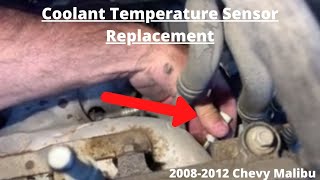
Replacing the sensor is a straightforward job for most DIY mechanics and can be done in under 30 minutes. 🎬 See this step-by-step sensor replacement walkthrough. The sensor is typically located on the thermostat housing. Before you start, make sure the engine is completely cool. Have the new sensor ready to swap in quickly to minimize coolant loss when you remove the old one. Always have a drain pan underneath to catch any spills.
Frequently Asked Questions

Can I drive my Malibu with a bad coolant temperature sensor?
You can drive for short distances, but it is not recommended for long trips. The computer has an incorrect reading of the engine's temperature, which can lead to poor performance, bad fuel economy, and a risk of overheating.
Where is the coolant temperature sensor located on the 2016-2020 Malibu?
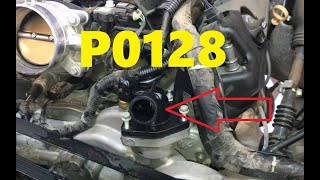
The sensor is usually screwed into the thermostat housing, which is where the large upper radiator hose connects to the engine. The exact location can vary slightly depending on your specific engine (1.5L, 1.8L, or 2.0L).
Why is my Check Engine Light still on after replacing the sensor?
The trouble code that triggered the light may need to be cleared from the car's computer. You can do this with an OBD-II scanner. In some cases, disconnecting the battery for about 15 minutes can also reset the computer. If the light comes back on, double-check the electrical connector for damage or consider another issue, like a faulty thermostat.
What's the difference between an OEM and aftermarket sensor?
OEM (Original Equipment Manufacturer) parts are made by or for GM. Aftermarket parts are made by other companies. For this sensor, high-quality aftermarket brands like ACDelco Professional, Delphi, or Standard Motor Products offer similar performance and reliability to OEM but often at a lower price. Basic, low-cost aftermarket parts may not be as durable.
Helpful Videos

Technical Specifications
OEM Part Numbers: 12656444 12641073 25186240
Typically a 2-pin, blade-style male connector.

The information in this article is provided for general reference and educational purposes only. Vehicle specifications, procedures, and part compatibility can vary by production date, trim level, and region. Always consult your vehicle's factory service manual and verify part numbers before purchasing or performing repairs. Safety-critical components such as airbags, seat belts, and braking systems should be installed by a qualified professional.
- Chevrolet Malibu: