

Toyota Corolla Oxygen Sensor Guide: 2015-2024
Is your check engine light on? Your Corolla might need a new oxygen sensor.
- For best results and to avoid compatibility issues, use an OEM-equivalent brand like Denso or NGK/NTK.
- Do not ignore a check engine light for an O2 sensor; it can lead to costly damage to your catalytic converter.
- Your 2015-2024 Corolla has two sensors; a scan tool is needed to identify which one has failed.
- A recall for 2020-2022 Corollas was for an airbag sensor, not the exhaust oxygen sensor.
Is Your Corolla's Oxygen Sensor Failing?

Oxygen sensors don't last forever. Heat and contaminants eventually cause them to wear out. When they fail, your Corolla will give you clear signs that something is wrong.
Common Symptoms of a Bad Oxygen Sensor:
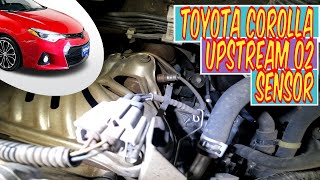
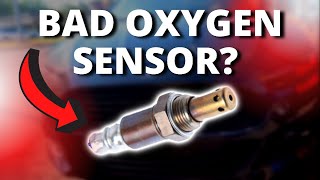
🎬 Watch: A visual guide to common bad O2 sensor symptoms.- Check Engine Light: This is the most common sign. The computer will store a trouble code, which can be read with a scanner. 🎬 See how to test your upstream sensor with a scan tool.
- Worse Gas Mileage: A bad sensor can cause the engine to use more fuel than it needs, so you'll be filling up your tank more often.
- Rough Idle or Hesitation: Your Corolla might idle unevenly, hesitate when you accelerate, or feel sluggish.
- Failed Emissions Test: A faulty O2 sensor is a common reason for failing a state emissions inspection.
- Rotten Egg Smell: A strong sulfur smell from the exhaust can mean a bad O2 sensor is causing the catalytic converter to overheat.
Don't Ignore a Bad Oxygen Sensor
While you can drive with a faulty oxygen sensor, it's not a good idea. Continuing to drive can lead to expensive damage to your catalytic converter, a repair that costs much more than replacing a sensor.
Choosing the Right Aftermarket Oxygen Sensor
When shopping for a new oxygen sensor for your 2015-2024 Toyota Corolla, you have several good options. Not all brands are created equal, and for Toyotas, sticking close to the original equipment (OEM) design is often the best choice.
Tier 1: OEM-Equivalent Brands
These brands are the original equipment manufacturers for Toyota. They provide the best fit and performance, ensuring your Corolla's computer gets the exact readings it expects.
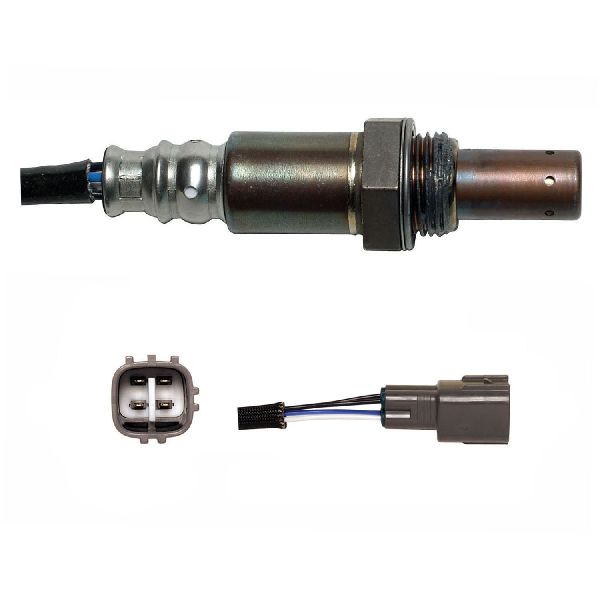
- Denso: Denso is a primary OEM supplier for Toyota. Choosing a Denso sensor is the closest you can get to buying the part from a Toyota dealership, ensuring perfect compatibility.
- NGK (NTK): NTK is the sensor division of NGK, famous for spark plugs. They are also an OEM supplier for many Japanese vehicles and are known for their high quality and reliability.
Pro Tip: For a sensitive system like your Corolla's engine management, spending a little more on a Denso or NGK sensor can prevent future headaches, like a recurring check engine light that can sometimes happen with other brands.
Tier 2: High-Quality Aftermarket Brands
These brands are well-respected and produce reliable parts, though they may not be the original equipment for your specific Corolla.
- Bosch: Bosch is a pioneer in oxygen sensor technology and a huge name in auto parts. While their sensors are high quality, some Toyota owners prefer to stick with Denso or NGK, as the car's computer is finely tuned for those specific sensors.
Tier 3: Budget-Friendly Options
These brands offer a direct-fit replacement at a lower cost, making them a good choice if you're on a tight budget.
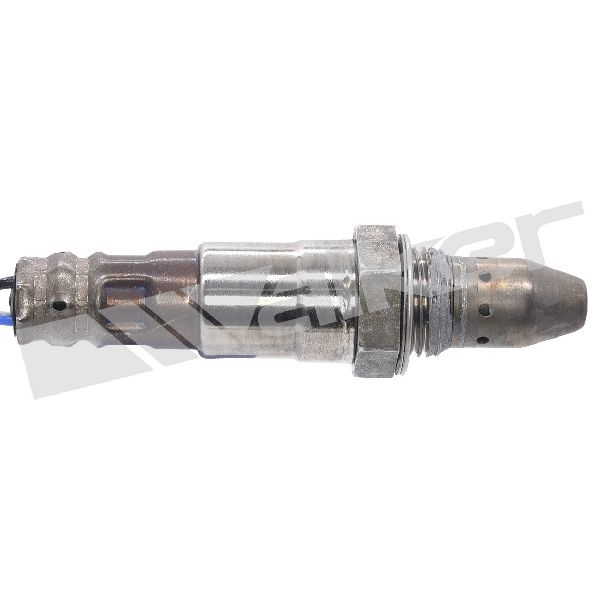
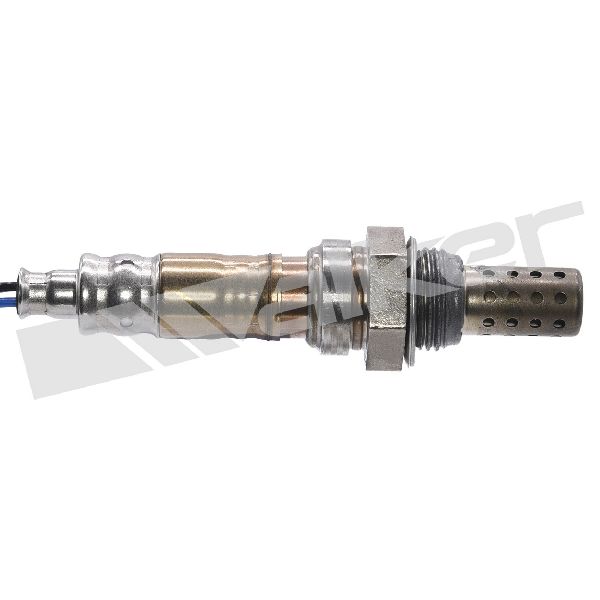
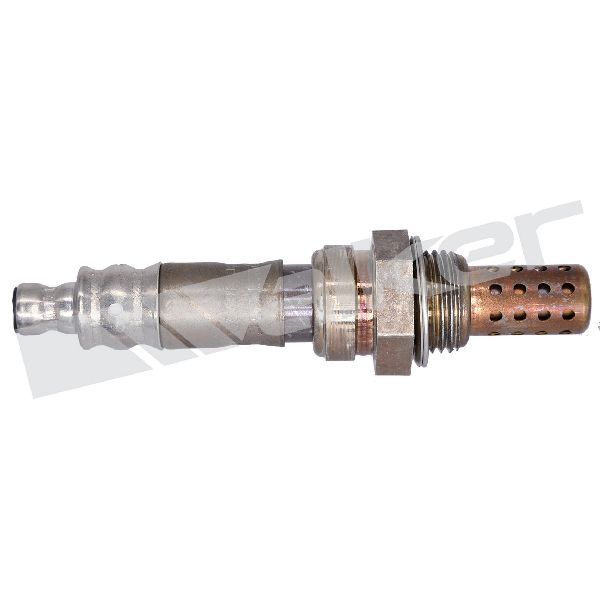
- Walker Products: Walker is a well-known aftermarket exhaust and emissions parts company. Their sensors are designed to be direct OE replacements in fit and function.
- DriveWire: This is another aftermarket brand offering a cost-effective alternative to OEM parts.
How Much Does a Toyota Corolla Oxygen Sensor Cost?

The cost depends on the brand you choose and whether you do the work yourself. The job is simple enough for many DIY mechanics with the right tool—an O2 sensor socket.
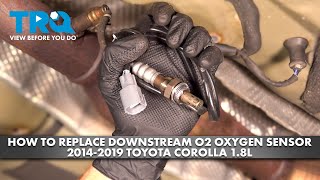
🎬 Watch: Step-by-step guide to replacing your downstream oxygen sensor.| Part Type | Estimated Cost |
|---|---|
| New Aftermarket Oxygen Sensor | $56.88 - $287.85 |
| New OEM Oxygen Sensor | $135.00 - $265.00 |
| Shop Labor | $75.00 - $150.00 |
| Total Professional Replacement (Aftermarket) | $130.00 - $440.00 |
Frequently Asked Questions

How many oxygen sensors does my 2015-2024 Corolla have?
Your Corolla has a four-cylinder engine, which means it has one exhaust bank. It is equipped with two oxygen sensors: one upstream (before the catalytic converter) and one downstream (after the catalytic converter).
What is the difference between an upstream and a downstream sensor?
The upstream sensor (also called an Air/Fuel Ratio Sensor) makes rapid adjustments to the air-fuel mixture for performance and efficiency. The downstream sensor's main job is to monitor the health of the catalytic converter. Most performance issues are linked to a failing upstream sensor, while specific diagnostic codes often point to the downstream sensor.
Is there a recall for my Corolla's oxygen sensor?
No. While there was a recall for some 2020-2022 Corollas involving a sensor, it was for the Occupant Classification System (OCS) sensor related to the airbag system, not the exhaust oxygen sensor. There are no known recalls for the oxygen sensors on 2015-2024 Corollas.
Do I need to replace both sensors at the same time?
No, you only need to replace the one that has failed. A mechanic can use a diagnostic scanner to tell you which sensor is causing the problem. However, since they are exposed to the same conditions, they often have a similar lifespan. If one fails on a high-mileage car, the other may not be far behind.
Helpful Videos
Technical Specifications
OEM Part Numbers: 89467-02090 89465-02390
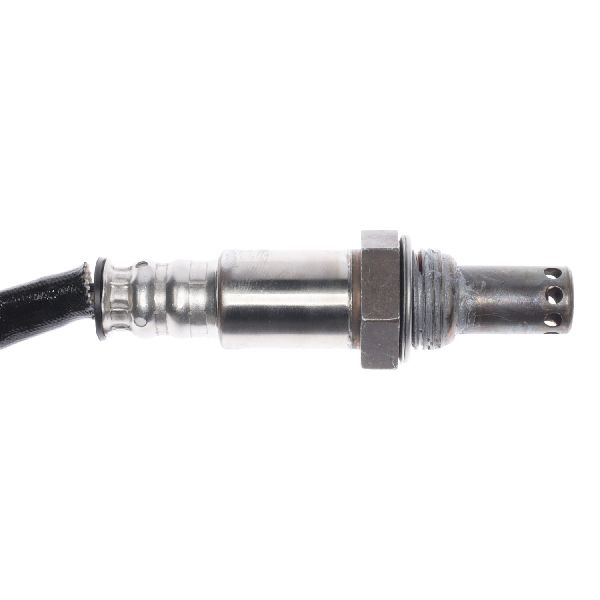
Most 2015-2024 Toyota Corollas use a 4-wire heated oxygen sensor. The upstream sensor is often called an Air/Fuel Ratio Sensor, while the downstream is a standard Oxygen Sensor. Connectors and wire lengths are specific to the sensor's position (upstream or downstream), so it is critical to order the correct part for your vehicle's specific location.
We Have This Part in Stock


The information in this article is provided for general reference and educational purposes only. Vehicle specifications, procedures, and part compatibility can vary by production date, trim level, and region. Always consult your vehicle's factory service manual and verify part numbers before purchasing or performing repairs. Safety-critical components such as airbags, seat belts, and braking systems should be installed by a qualified professional.
- Toyota Corolla: