

A Guide to Replacing Oxygen Sensors on the 2015-2024 Hyundai Tucson
Everything a Tucson owner needs to know about diagnosing and replacing a faulty oxygen sensor.
- A bad O2 sensor will trigger the Check Engine Light and hurt your fuel economy.
- Driving too long with a bad sensor can damage the expensive catalytic converter.
- For a reliable repair, choose a direct-fit sensor from an OEM-quality brand like Denso, Bosch, or NGK.
- No specific recalls or TSBs for O2 sensor failure exist for the 2015-2024 Tucson, meaning failures are due to normal wear and tear.
Understanding Your Tucson's Oxygen Sensors

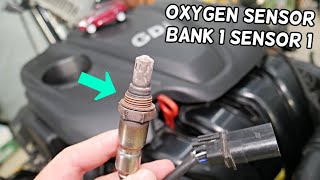
Your Hyundai Tucson's engine computer relies on oxygen (O2) sensors to maintain the perfect air-to-fuel ratio. The upstream sensor, also called Bank 1 Sensor 1, reads the exhaust gases right as they leave the engine. It tells the computer if the mix is too rich (too much fuel) or too lean (not enough fuel). The computer then makes instant adjustments. The downstream sensor, or Bank 1 Sensor 2, measures the exhaust after it has passed through the catalytic converter. Its main job is to make sure the catalytic converter is working correctly to reduce emissions. When one of these sensors fails, it can cause noticeable problems.
Symptoms of a Bad Oxygen Sensor

A failing oxygen sensor rarely causes a sudden breakdown, but it will make your Tucson run poorly. Here are the most common signs:
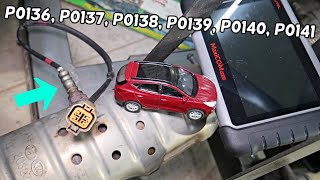
- Check Engine Light: This is the most common symptom. A scanner will usually show codes related to the O2 sensor heater circuit (like P0030) or sensor circuit performance (like P0136). 🎬 See how to fix downstream sensor codes like P0136.
- Worse Gas Mileage: A bad sensor can cause the engine to use more fuel than necessary, so you'll find yourself at the gas pump more often.
- Rough Idle and Misfires: Your Tucson might shake or vibrate when stopped, or the engine may hesitate and misfire because the air-fuel mixture is incorrect.
- Failed Emissions Test: Since O2 sensors are a key part of the emissions system, a bad sensor will almost certainly cause you to fail a smog check.
- Rotten Egg Smell: A strong sulfur or rotten egg smell from the exhaust can indicate that a bad O2 sensor is causing the catalytic converter to work improperly.
Don't Ignore the Signs
While you can drive with a bad oxygen sensor, it's not recommended for long. Continuing to drive can lead to expensive damage to your catalytic converter, a repair that costs significantly more than replacing the sensor.
Choosing the Right Aftermarket Sensor

You don't need to buy an expensive OEM sensor from the dealer. Quality aftermarket brands often provide the same performance for less money. For the Hyundai Tucson, brands like Denso and Bosch are excellent choices, as they are often the original equipment manufacturers. This means they make the part for Hyundai itself. Here’s how the available brands generally rank:
Tier 1 (OEM Quality): Denso, Bosch, NGK. These brands are trusted worldwide and often supply parts directly to automakers. They are known for their quality, reliability, and direct-fit connectors, making installation easy. Choosing one of these is a safe bet for OE-level performance.
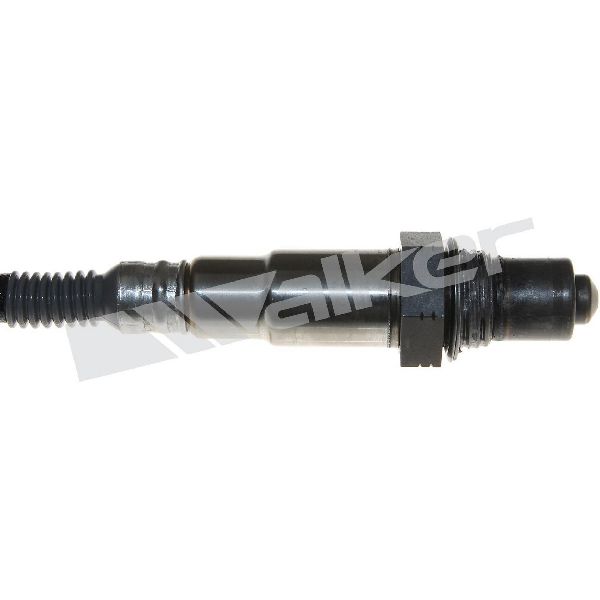
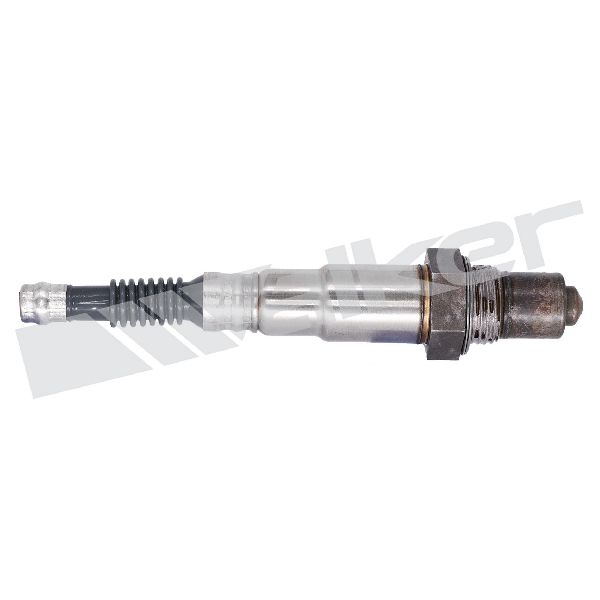
Tier 2 (Reliable Aftermarket): Walker Products, Facet. These are well-known aftermarket brands that produce reliable sensors. They offer a good balance between price and quality and are a solid choice for most repairs.
Tier 3 (Value-Oriented): DriveWire, Mando. These brands focus on providing a cost-effective solution. They can be a good option if budget is the primary concern, but may not offer the same longevity or exact OE-match as higher-tier brands.
Pro Tip: Buy Direct-Fit
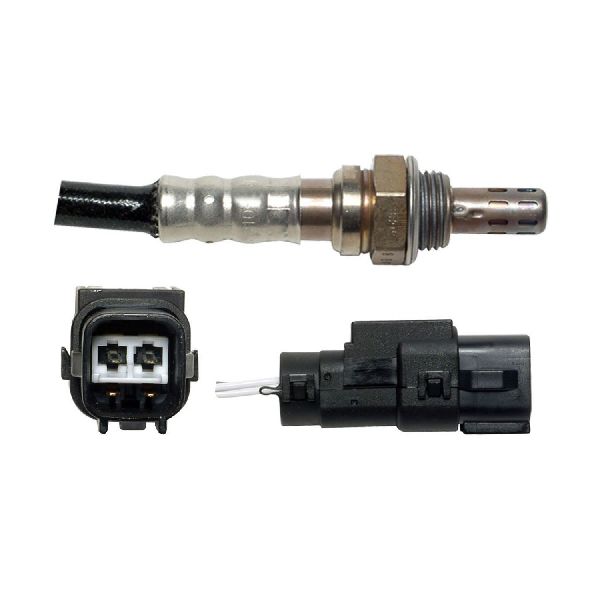
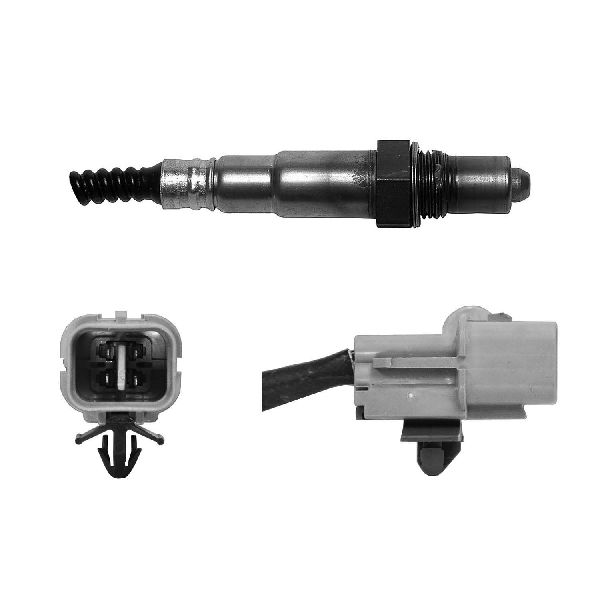
Always choose a "direct-fit" or "exact-fit" sensor. These come with the correct electrical connector for your Tucson, so you don't have to cut or splice any wires. A universal sensor requires you to wire it yourself, which can lead to connection problems.
Cost of Replacing a Hyundai Tucson Oxygen Sensor
The cost varies based on the sensor's location (upstream or downstream) and the brand you choose. Labor costs at a shop are typically low for this repair.
| Item | Estimated Cost |
|---|---|
| New OEM Sensor (Parts Only) | $115 - $255 |
| New Aftermarket Sensor (Parts Only) | $68 - $218 |
| Shop Labor | $65 - $100 |
| Total Estimated Cost (Aftermarket Part + Shop Labor) | $133 - $318 |
Frequently Asked Questions

How many oxygen sensors does my 2015-2024 Tucson have?
Most four-cylinder Hyundai Tucsons in this year range have two oxygen sensors: one upstream (before the catalytic converter) and one downstream (after the catalytic converter). Some V6 or specific engine configurations in earlier models could have four, but it's less common for the specified generation.
What's the difference between an upstream and downstream sensor?
The upstream sensor (Sensor 1) measures the raw exhaust from the engine and is the primary sensor for adjusting the air-fuel mix. The downstream sensor (Sensor 2) measures gases after the catalytic converter to ensure the converter is working. The check engine light code will tell you which sensor has failed.
Can I just clean my old oxygen sensor?
It is not recommended. Oxygen sensors fail because their internal components wear out or get contaminated over time. Cleaning the outside of the sensor will not fix the internal failure. For a reliable repair, replacement is the only option.
Is it difficult to replace the sensor myself?
For many DIYers, this is a manageable job. The main challenge is accessing the sensor and having the right tool. A special oxygen sensor socket, which has a slot for the wire, is highly recommended. Sometimes the old sensor can be seized in the exhaust pipe and difficult to remove without extra leverage or heat.
🎬 Watch a step-by-step walkthrough of the replacement process.Helpful Videos
![Bad O2 Sensor Symptoms Downstream & Upstream [Oxygen Sensor Failure and Causes] How to fix & Replace](https://img.youtube.com/vi/b-xxdBlikSA/mqdefault.jpg)
Technical Specifications
OEM Part Numbers: 39210-2G240 39210-2ETL2 39210-2ECA0 39210-2GBB0 39210-2B370 39210-2B470 39210-2G260 393502A410
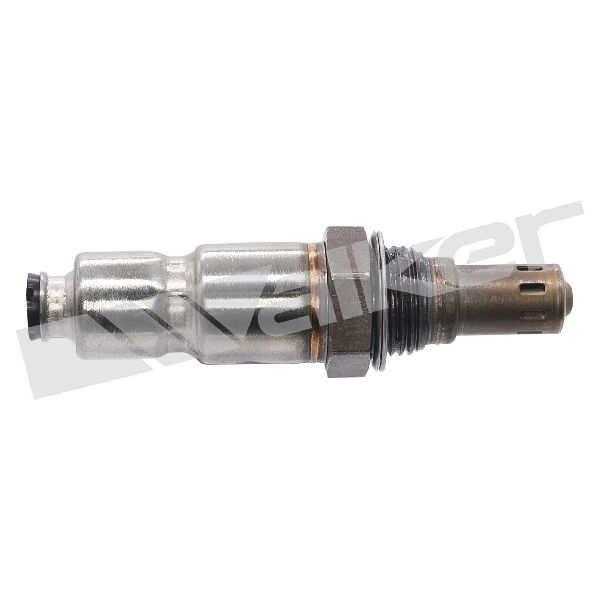
Your Tucson uses heated oxygen sensors. Most models use a 4-wire downstream sensor and a 5-wire or 6-wire wideband upstream sensor. Always verify the part by your vehicle's specific engine and year before purchasing.
We Have This Part in Stock


The information in this article is provided for general reference and educational purposes only. Vehicle specifications, procedures, and part compatibility can vary by production date, trim level, and region. Always consult your vehicle's factory service manual and verify part numbers before purchasing or performing repairs. Safety-critical components such as airbags, seat belts, and braking systems should be installed by a qualified professional.
- Hyundai Tucson: