

Hyundai Sonata Oxygen Sensor Guide for 2015-2024 Models
Everything you need to know about replacing a failing oxygen sensor in your 2015-2024 Hyundai Sonata.
- A failing oxygen sensor will trigger the Check Engine Light and hurt your fuel economy.
- Ignoring a bad O2 sensor can lead to costly damage to your catalytic converter.
- For best results, choose a direct-fit aftermarket sensor from a top brand like Denso, NGK/NTK, or Bosch.
- Most 2.4L Sonatas have two sensors; the upstream sensor (before the catalytic converter) fails most often.
Is Your Sonata's Oxygen Sensor Failing?

A bad oxygen sensor can cause noticeable problems with your car's performance. When the sensor fails, it sends incorrect information to the engine's computer, leading to an improper air-fuel mixture. Ignoring these signs can lead to more expensive repairs down the road, like a damaged catalytic converter.
Key Failure Symptoms:
- Check Engine Light: This is the most common sign. A diagnostic trouble code (DTC) related to the oxygen sensor, such as P0130-P0167 or P0420, will often trigger the light.
- Worse Gas Mileage: If you're filling up your tank more often, a bad O2 sensor could be the cause. The engine may be running "rich," meaning it's using more fuel than necessary.
- Rough Idle and Poor Performance: Your Sonata might idle unevenly, hesitate during acceleration, or even stall. This happens because the engine isn't getting the right fuel mix.
- Bad Smells and Black Smoke: A strong, rotten-egg smell from the exhaust or black smoke coming out of the tailpipe can indicate unburnt fuel is passing through the exhaust system.
Choosing the Right Aftermarket Oxygen Sensor

When replacing an oxygen sensor, you don't have to buy the expensive OEM part from the dealer. Quality aftermarket brands often meet or exceed OEM specifications and can save you money. For your Hyundai Sonata, focus on brands known for their sensor technology.
Brand Tiers:
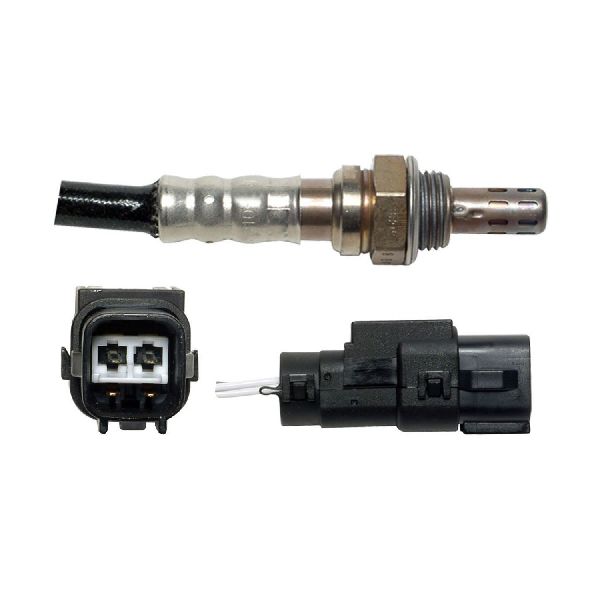
- Top Tier (OEM Quality): Brands like Denso and NGK (NTK) are often the original equipment manufacturers for Hyundai. Choosing one of these is the safest bet for a perfect fit and long-term reliability. They are manufactured to the strictest standards for performance.
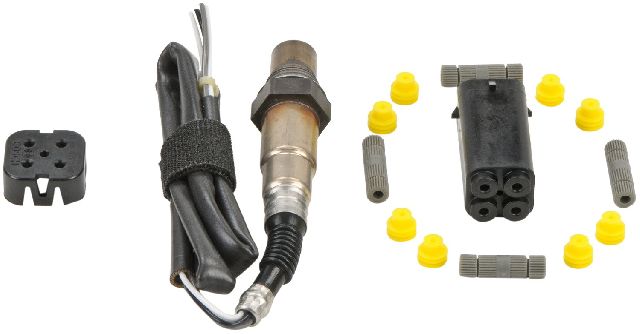
- Excellent Alternative: Bosch is another top-tier brand that invented the modern oxygen sensor. They offer high-quality direct-fit and universal sensors that are well-regarded for performance and reliability.
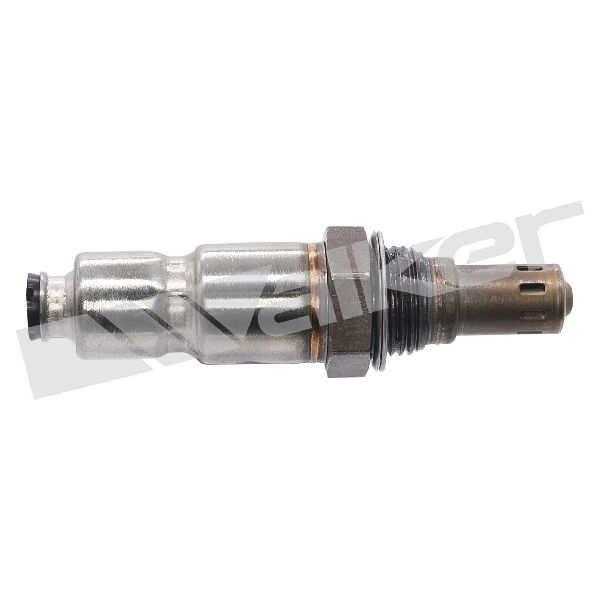
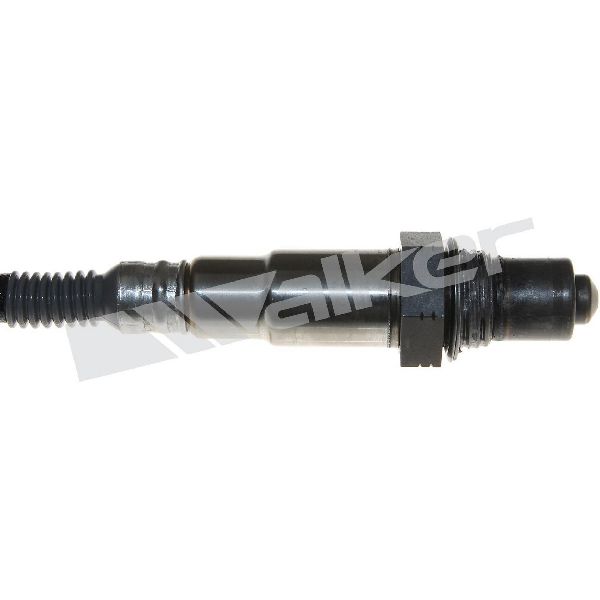
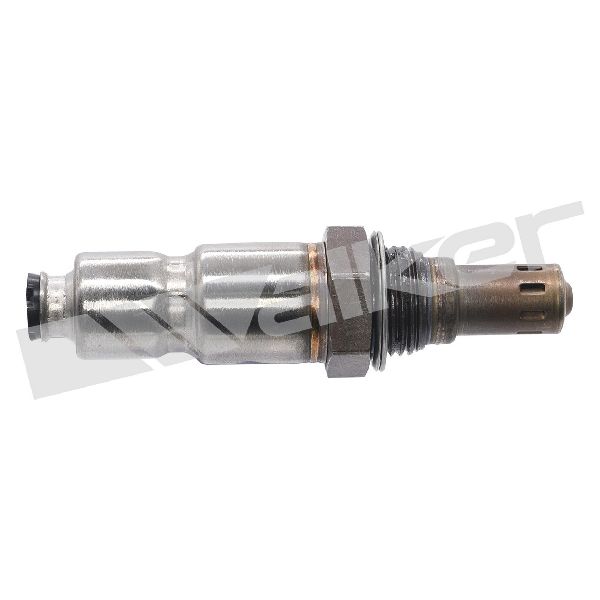
- Value Options: Brands like Walker Products and DriveWire offer more budget-friendly options. While they can be a good value, sticking with a direct-fit sensor is recommended over a universal one to avoid wiring work.
Pro Tip: Always choose a "direct-fit" sensor. These come with the correct plug for your Sonata's wiring harness, making installation much simpler. Universal sensors require you to cut and splice wires, which can lead to errors and connection problems.
Known Issues & TSBs

For certain 2015-2019 Sonata models with the 2.0L Turbo GDI engine, Hyundai released a Technical Service Bulletin (TSB #23-01-010H). This TSB involves an update to the engine computer's software to better compensate for oxygen sensor aging and prevent potential issues. If you have this specific model, it's worth checking with a dealer if this update has been performed. No specific recalls have been issued for the oxygen sensors on these models.
| Part/Service | Estimated Cost |
|---|---|
| New Aftermarket Oxygen Sensor | $69 - $218 |
| New OEM Oxygen Sensor | $130 - $225+ |
| Shop Labor | $80 - $115 |
| Total Professional Replacement | $250 - $520+ |
Frequently Asked Questions

How many oxygen sensors does a 2015-2024 Hyundai Sonata have?
Most non-turbo Sonatas (like those with the 2.4L engine) have two oxygen sensors: one upstream (before the catalytic converter) and one downstream (after the catalytic converter). Turbo models may have four sensors. The upstream sensor (Bank 1, Sensor 1) measures the initial exhaust gases, while the downstream sensor (Bank 1, Sensor 2) monitors the efficiency of the catalytic converter.
Which sensor fails more often, upstream or downstream?
The upstream oxygen sensor typically fails more often. It is exposed to higher temperatures and more direct exhaust gases from the engine, causing it to wear out faster.
Can I replace the oxygen sensor myself?
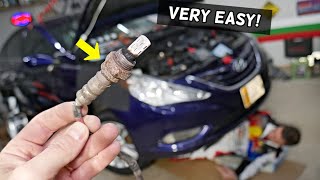
Yes, this is a feasible DIY job for many home mechanics. The main challenge is often accessing the sensor and removing it if it's rusted in place. You will need a special oxygen sensor socket with a slot for the wire. Applying penetrating oil and letting it soak can help loosen a stubborn sensor.
What is a P0420 code and is it the oxygen sensor?
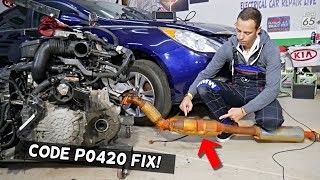
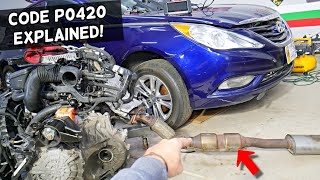
The code P0420 stands for "Catalyst System Efficiency Below Threshold." While this code can be caused by a failing downstream oxygen sensor, its most common cause is a failing catalytic converter. The downstream O2 sensor's job is to report on the converter's health, so if the converter is bad, the sensor will report it. It's important to diagnose the issue correctly before replacing parts.
Helpful Videos
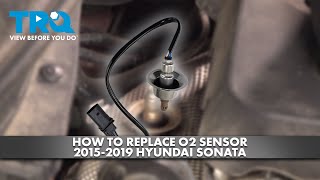



Technical Specifications
OEM Part Numbers: 39210-2B330
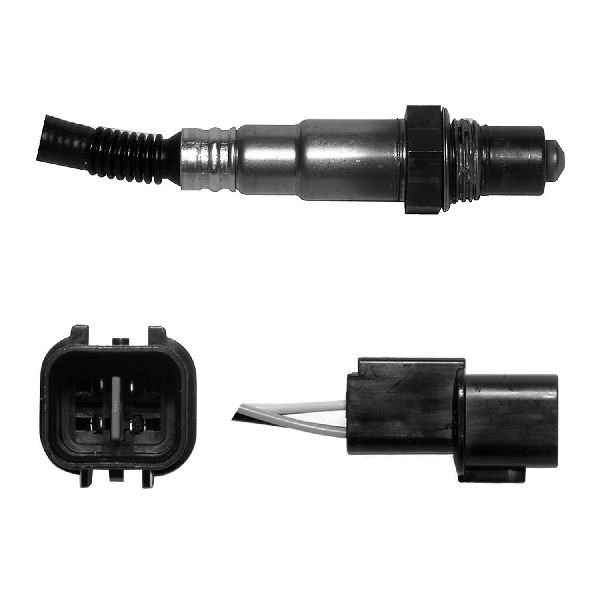
Most 2015-2024 Hyundai Sonatas use a 4-wire, heated oxygen sensor. The upstream sensor is an Air/Fuel Ratio sensor (wideband), while the downstream is a traditional switching sensor (narrowband). A 22mm wrench or specialized O2 sensor socket is required for removal.
We Have This Part in Stock

The information in this article is provided for general reference and educational purposes only. Vehicle specifications, procedures, and part compatibility can vary by production date, trim level, and region. Always consult your vehicle's factory service manual and verify part numbers before purchasing or performing repairs. Safety-critical components such as airbags, seat belts, and braking systems should be installed by a qualified professional.
- Hyundai Sonata: