

Spark Plug Replacement Guide for 2015-2024 Ford Transit-350 HD
Keep your gasoline-powered Transit running smoothly by understanding when and why to replace your spark plugs.
- For 3.5L EcoBoost engines, consider changing spark plugs more frequently (every 30k-60k miles) than the 100k-mile factory interval to prevent misfires.
- Always check the spark plug gap before installation, especially for the EcoBoost engine, which is sensitive to incorrect gaps.
- Replacement requires removing the intake manifold to access the rear plugs, making it a moderately difficult job.
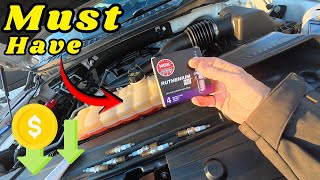
- High-quality aftermarket brands like NGK, Denso, and Bosch are excellent alternatives to OEM Motorcraft plugs.
Is Your Transit-350 HD Showing Signs of Bad Spark Plugs?

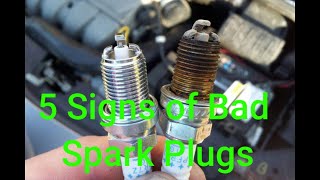
Worn spark plugs can cause a range of noticeable problems. If you experience any of these symptoms, it might be time for a replacement. Ignoring them can lead to reduced fuel economy and potential damage to other engine parts 🎬 Watch this video to identify common signs of bad spark plugs., like the catalytic converter.
Common Symptoms:
- Engine Misfires or Shuddering: The engine may cough, sputter, or shake, especially under acceleration. This is a very common issue on the 3.5L EcoBoost engine, often called the "EcoBoost shudder."
- Rough Idling: Your van may shake or vibrate more than usual when stopped at a light. The engine might even stall in some cases.
- Reduced Power and Acceleration: The van may feel sluggish and slow to respond when you press the gas pedal.
- Worse Fuel Economy: Failing plugs can't burn fuel efficiently, meaning you'll be stopping for gas more often.
- Difficulty Starting: A weak spark makes it harder for the engine to turn over, especially in cold weather.
- Check Engine Light: A misfire will often trigger the check engine light. Common codes include P0300 (random misfire) or P0301-P0306 (for specific cylinders).
A Note on Water Intrusion
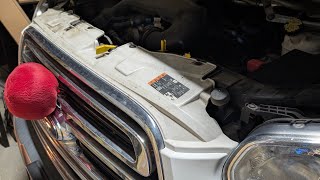
Some Ford Transit models have experienced issues with water leaking into the spark plug wells, particularly on the driver's side of the engine. This is often due to the design of the rain tray near the windshield, which can allow water to drip onto the engine. This water can cause the spark plugs and ignition coils to corrode and fail, leading to misfires. Some owners and mechanics apply silicone sealant around the top of the ignition coils as a preventive measure.
Choosing the Right Aftermarket Spark Plugs

The original equipment (OEM) spark plugs for your Transit are made by Motorcraft. However, many high-quality aftermarket brands offer excellent performance, often at a better price. Spark plugs are typically made with copper, platinum, or iridium tips. Iridium and platinum plugs last longer than copper ones and are recommended for modern engines like those in the Transit.
Brand Quality Tiers
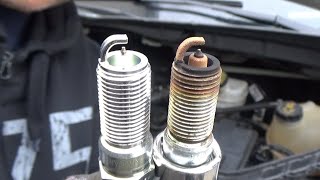
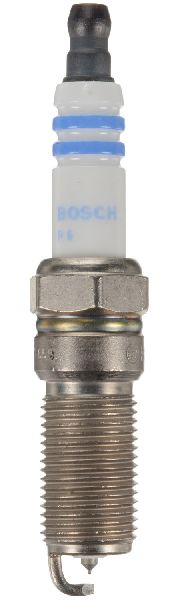
- Premium OEM-Equivalent Brands (NGK, Denso, Bosch): These brands are often the original manufacturers for OEM parts. NGK and Denso are highly regarded for their reliability and performance in Ford engines, especially the demanding 3.5L EcoBoost. 🎬 See a review of the best spark plugs for EcoBoost engines. Bosch also offers excellent iridium and double platinum options. You can expect OEM-level quality and longevity from these brands.
- Quality Aftermarket Brands (Autolite, Champion): Autolite and Champion are well-known brands that provide reliable, budget-friendly options. They are a solid choice for owners looking for a good balance of price and performance for the naturally aspirated 3.7L engine or for shorter replacement intervals.
- Performance Brands (Accel): While available, high-performance plugs are generally not necessary for a stock Transit-350 HD and are better suited for heavily modified or tuned engines. For most work van applications, sticking to OEM-equivalent brands is the most reliable choice.
Check the Gap!
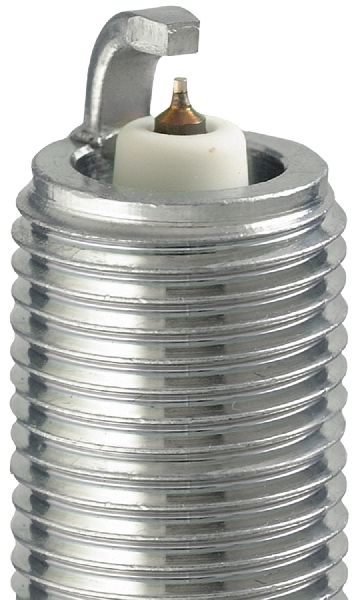
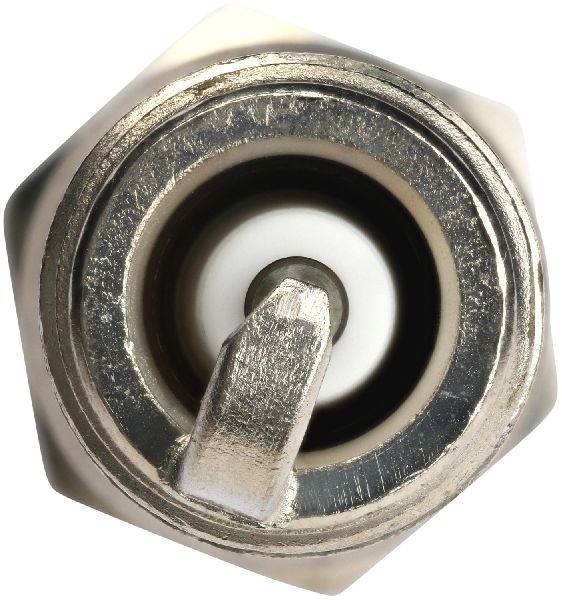
Spark plug "gap" is the tiny space between the electrodes. For the turbocharged 3.5L EcoBoost engine, this gap is critical. Even if plugs are advertised as "pre-gapped," you should always verify the gap with a feeler gauge before installation. An incorrect gap can cause misfires and poor performance. The recommended gap for the 3.5L EcoBoost is often between 0.028" and 0.033". The 3.7L V6 typically uses a wider gap, around 0.052".
How Much Does Spark Plug Replacement Cost?

The cost to replace spark plugs on a 2015-2024 Ford Transit-350 HD can vary based on your engine and whether you do it yourself or hire a professional. The job is more complex on these vans than on a typical car because the rear spark plugs are difficult to access, requiring the removal of the intake manifold.
| Cost Category | Estimated Price Range |
|---|---|
| DIY Aftermarket Parts | $35 - $150 (for a set of 6) |
| Shop Labor | $300 - $500+ |
| Total Professional Replacement | $350 - $650+ |
Frequently Asked Questions
When should I replace the spark plugs on my Transit-350 HD?
Ford's recommended service interval is typically around 100,000 miles for normal service. However, for the 3.5L EcoBoost engine, many owners and mechanics recommend a shorter interval of 30,000 to 60,000 miles to prevent performance issues like shuddering and misfires. If your van is used for heavy towing or spends a lot of time idling, more frequent changes are a good idea.
Is it difficult to change the spark plugs myself?
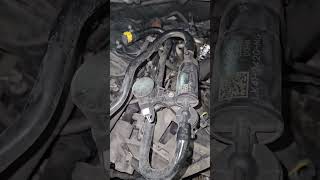
It's a moderately difficult job. While the front three plugs (passenger side) are easy to access, reaching the rear three (driver side) requires removing the upper intake manifold. 🎬 Follow this step-by-step guide to changing plugs on a 3.7L engine. This involves disconnecting several hoses and electrical connectors. If you are not comfortable with this level of work, it's best to leave it to a professional.
Should I use anti-seize on the new spark plugs?
This is a debated topic. Many modern spark plugs from brands like NGK and Motorcraft have a special plating on the threads that prevents seizing, and they advise against using anti-seize. Applying it can act as a lubricant, causing you to over-torque the plugs and potentially damage the cylinder head. Always follow the specific recommendation of the spark plug manufacturer.
What is the difference between Iridium and Platinum spark plugs?
Iridium is a harder, more durable precious metal than platinum. Iridium spark plugs generally last longer and provide a more consistent spark, especially under the high-pressure conditions of a turbocharged engine like the 3.5L EcoBoost. Platinum plugs are still a great, long-lasting option and are perfectly suitable for the naturally aspirated 3.7L engine.
Helpful Videos
Technical Specifications
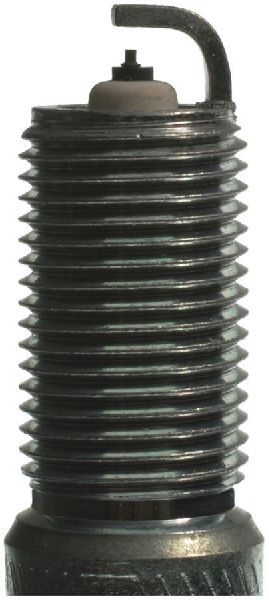
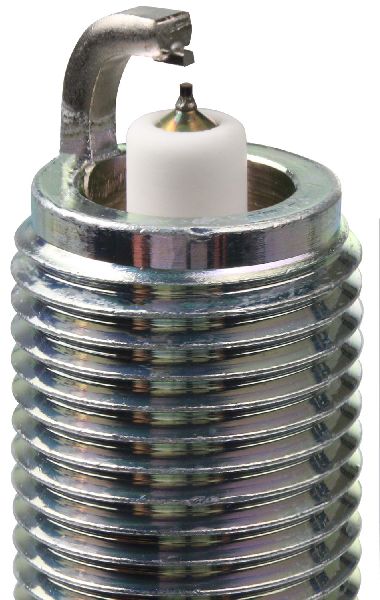
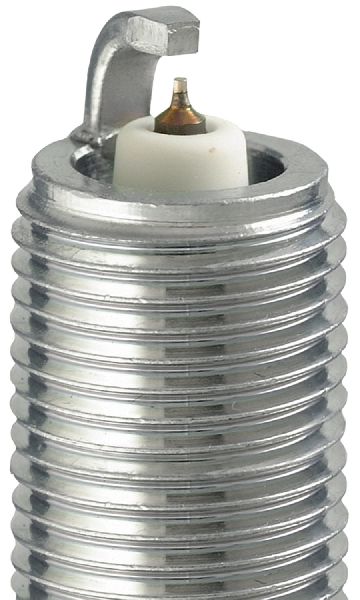
OEM Part Numbers: SP-580 SP-534 CYFS12YT4 SP-520
Engine type determines the correct spark plug. The 3.5L EcoBoost V6 and 3.7L Ti-VCT V6 have different requirements for heat range and spark plug gap. The 3.5L EcoBoost typically uses an iridium plug with a gap of ~0.028"-0.033". The 3.7L V6 often uses a platinum plug with a gap of ~0.052". Diesel models do not use spark plugs.
We Have This Part in Stock

The information in this article is provided for general reference and educational purposes only. Vehicle specifications, procedures, and part compatibility can vary by production date, trim level, and region. Always consult your vehicle's factory service manual and verify part numbers before purchasing or performing repairs. Safety-critical components such as airbags, seat belts, and braking systems should be installed by a qualified professional.
- Ford Transit-350 HD: