

A Mechanic's Guide to Fuel Injectors for the 2015-2023 Subaru Outback
Is your Outback running rough? Here's what to know before you replace a fuel injector.
- First, identify your engine: 2015-2019 models use Port Fuel Injection (PFI), while 2020-2023 models use Direct Injection (GDI). The parts are not interchangeable.
- For 2020+ GDI models, symptoms like rough idle and misfires could be carbon buildup. Per Subaru TSB 09-81-21R, a chemical cleaning should be performed before replacing injectors.
- Avoid low-quality remanufactured brands like GBR; reports indicate a high failure rate. Stick with new OEM, a reputable aftermarket brand like Standard Ignition, or professionally cleaned OEM injectors.
- Replacing all injectors at once is recommended for high-mileage vehicles to ensure balanced engine performance and avoid repeat repairs.
Understanding Your Outback's Fuel System: A Tale of Two Injectors

The 2015-2023 Subaru Outback uses two different types of fuel injection, and the right replacement part depends entirely on your vehicle's year and engine. It is critical to identify which system your Outback has before buying parts.
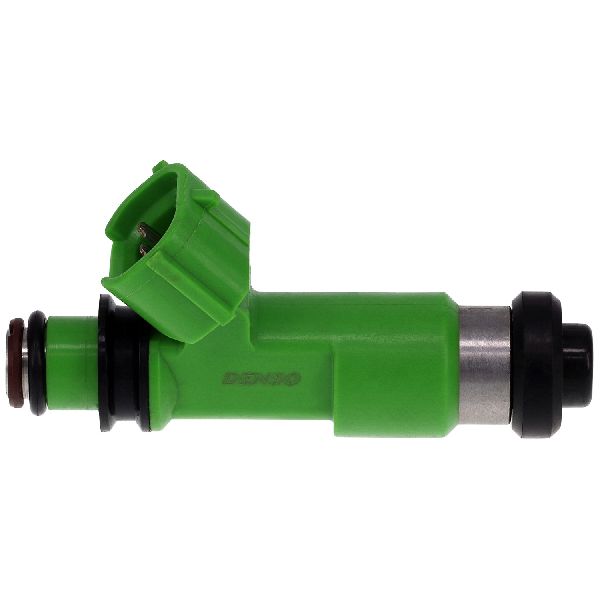
- 2015-2019 Outback (2.5L & 3.6L Engines): These models use Port Fuel Injection (PFI). The injectors are mounted on a fuel rail on the intake manifold. They are less complex, operate under lower pressure, and are generally less expensive to replace.
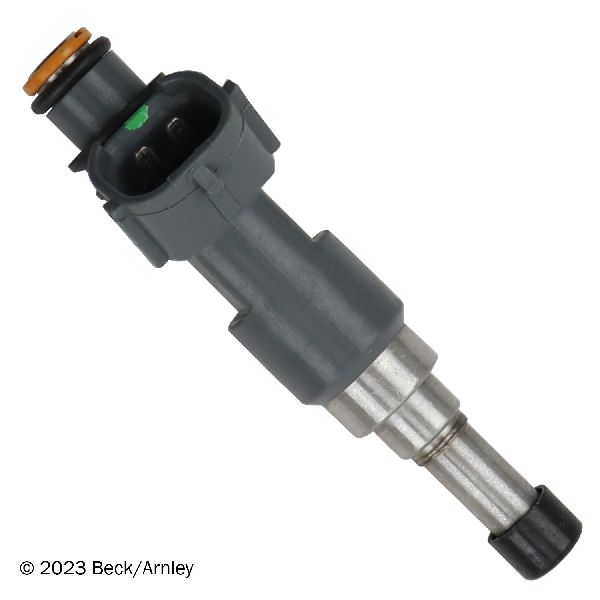
- 2020-2023 Outback (2.5L & 2.4L Turbo Engines): These models use Gasoline Direct Injection (GDI or DI). The injectors are mounted directly on the engine's cylinder head and spray fuel into the combustion chamber. They are more complex, operate at extremely high pressures, and are more expensive.
Direct Injection (GDI) Known Issues & TSB
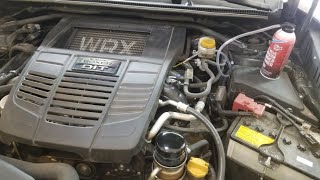
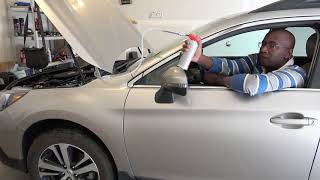
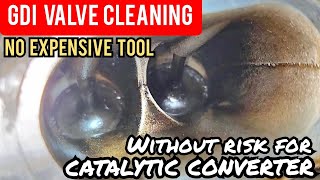
For 2020-2023 models, Subaru has issued Technical Service Bulletin (TSB) 09-81-21R. This bulletin addresses issues like rough idle, engine vibration, and misfire codes (P219C, P219D, P219E, P219F). These symptoms can be caused by a faulty injector OR by carbon buildup on the intake valves—a common issue with GDI engines. The TSB specifically instructs technicians to perform a chemical carbon cleaning process twice before replacing any fuel injectors. If you have a newer Outback with these symptoms, do not immediately assume the injector is bad; a thorough cleaning may solve the problem.
Is it the Fuel Injector? Common Symptoms

A failing fuel injector disrupts the engine's air-fuel balance. You might notice one or more of the following signs:
- Rough Idle: The engine shakes or vibrates when stopped.
- Engine Misfires: You may feel the engine stumble or hesitate, especially during acceleration. This can cause the Check Engine Light to flash, which indicates a serious problem that requires immediate attention.
- Poor Fuel Economy: A leaking or inefficient injector can cause your Outback to use more gas than usual.
- Check Engine Light: A solid Check Engine Light may appear. Common codes include P0300-P0306 (misfires) and P0200-P0206 (injector circuit faults).
- Fuel Smell: A leaking injector can create a raw gasoline smell in or around the vehicle. 🎬 Watch: How to test if an injector has failed
Choosing the Right Aftermarket Fuel Injector

When replacing a fuel injector, you have a choice between Original Equipment (OEM) and aftermarket parts. For a critical component like this, quality matters more than price. Here’s an honest breakdown of the available aftermarket brands.
Brand Quality Tiers
Tier 1: Recommended Aftermarket
- Standard Ignition (Standard Motor Products): Generally considered a top-tier aftermarket brand. SMP invests in testing and produces parts that are known to fit and function correctly. For owners seeking a balance between cost and quality, Standard is a reliable choice.
Tier 2: Use with Caution
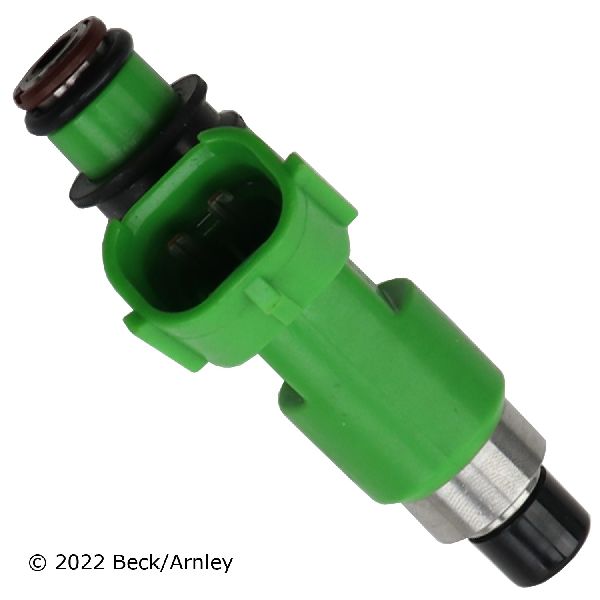
- Beck Arnley: Beck Arnley specializes in parts for import vehicles and aims to provide OE-matching form and function, sometimes by sourcing from the original manufacturers. However, they are also a parts re-boxer, meaning quality can be inconsistent. While many parts are excellent, some reviews point to fitment or performance issues. It's a decent option, but not without some risk.
Tier 3: Not Recommended
- GBR Fuel Injection (GB Remanufacturing): This brand offers remanufactured injectors at a low price, but search results show a pattern of significant quality control problems. Customers report receiving injectors that are dead on arrival or fail very quickly, leading to repeated repairs and frustration. The potential savings are not worth the high risk of failure.
A Note on OEM and Remanufactured Parts
The safest, albeit most expensive, option is a new OEM injector from Subaru (often made by Denso). If you're on a budget, consider having your original OEM injectors professionally cleaned and tested by a specialist service. This is often more reliable than buying low-quality remanufactured parts.
Cost to Replace a Subaru Outback Fuel Injector

Costs vary based on your engine type (PFI vs. GDI) and who does the work. GDI injector replacement is significantly more labor-intensive and expensive.
| Part / Service | Estimated Cost |
|---|---|
| New Aftermarket Injector (Single) | $58 - $410 |
| New OEM Injector (Single) | $175 - $450+ |
| Shop Labor (PFI, 2015-2019) | $150 - $350 |
| Shop Labor (GDI, 2020-2023) | $300 - $600+ |
Costs are estimates and will vary by location and specific vehicle configuration.
Frequently Asked Questions
Should I replace all fuel injectors at once?
It's a good practice, especially on higher-mileage vehicles. Fuel injectors wear at a similar rate. If one has failed, others may not be far behind. Replacing them as a set ensures balanced fuel delivery and can save you from future repeat repairs.
Is replacing a fuel injector a DIY job?
For 2015-2019 models with port injection, it is a feasible DIY for an experienced home mechanic. It requires depressurizing the fuel system and removing the fuel rail. 🎬 Watch: How to test and replace Subaru fuel injectors For 2020-2023 models with direct injection, it is not recommended for beginners. The system is under extremely high pressure, and the injectors are harder to access, often requiring intake manifold removal. Incorrect installation can cause dangerous fuel leaks.
Can I just use a fuel injector cleaner additive?
Fuel system cleaners added to your gas tank can help with minor deposit buildup and maintenance. However, they cannot fix a mechanically failed or electrically faulty injector. If you have a confirmed bad injector, it must be replaced.
What is the most common ordering mistake?
The most common mistake is ordering the wrong type of injector. An injector for a 2019 Outback (PFI) will absolutely not work on a 2020 Outback (GDI), and vice-versa. Always confirm your exact year, engine, and injection type before purchasing.
Helpful Videos

Technical Specifications
OEM Part Numbers: 16611AA87A 16611AA88A
Injector type is engine-specific. 2015-2019 models use lower-pressure Port Fuel Injectors (PFI). 2020-2023 models use high-pressure Direct Injectors (GDI).
We Have This Part in Stock


The information in this article is provided for general reference and educational purposes only. Vehicle specifications, procedures, and part compatibility can vary by production date, trim level, and region. Always consult your vehicle's factory service manual and verify part numbers before purchasing or performing repairs. Safety-critical components such as airbags, seat belts, and braking systems should be installed by a qualified professional.
- Subaru Outback: