

A Guide to Spark Plug Replacement for the 2015-2023 Kia Sportage
Keep your Sportage's engine running smoothly by understanding when and how to replace your spark plugs.
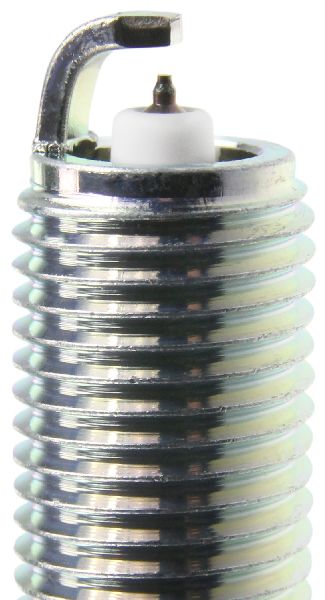
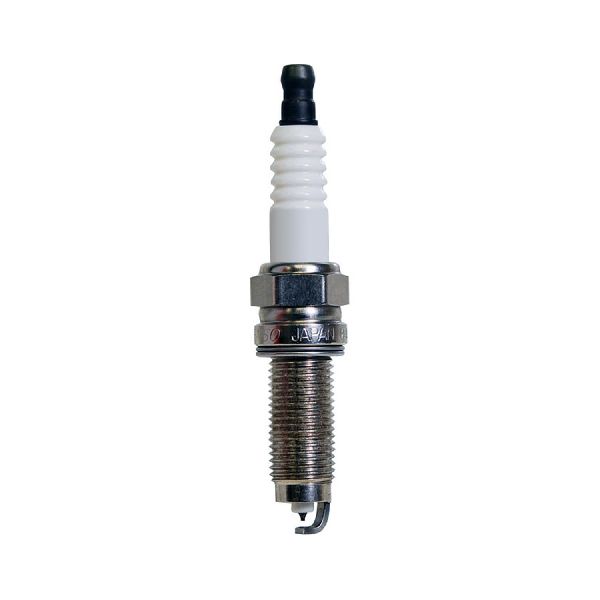
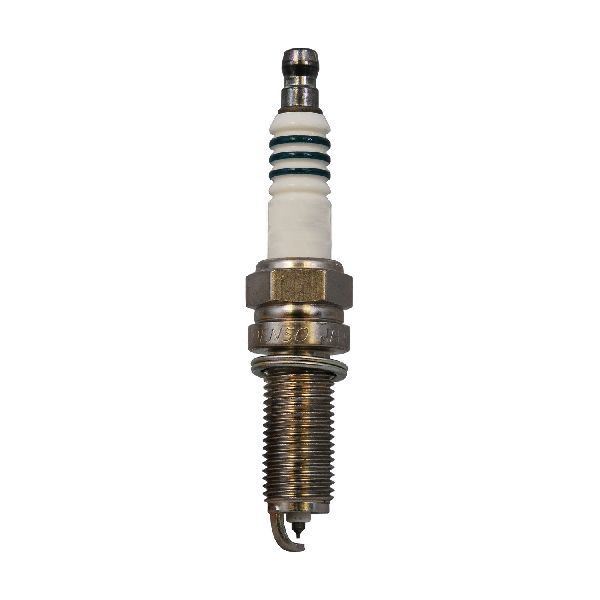
- For best results, use OEM-equivalent Iridium spark plugs from NGK or Denso.
- Symptoms of failure include rough idle, poor acceleration, reduced fuel economy, and a flashing check engine light with misfire codes (P0300-P0304).
- Replacement is a straightforward DIY task for most owners, requiring basic tools and about an hour of time.
- Always verify the spark plug gap before installation, even if they are advertised as pre-gapped.
Signs of Failing Spark Plugs in Your Sportage

When spark plugs wear out, they can cause noticeable issues with your vehicle's performance. You might find your Sportage has trouble starting, especially on cold mornings. Other common symptoms include a rough or shaky idle, sluggish acceleration, and a general loss of power. You may also see a decrease in your fuel economy, as worn plugs can lead to inefficient fuel burning. If the check engine light comes on and you get codes like P0300, P0301, P0302, P0303, or P0304, it's a strong indicator of an engine misfire, which is often caused by a bad spark plug.
🎬 Watch how to diagnose engine misfire codes on your Kia.Don't Ignore a Misfire
While you can technically drive with a misfiring cylinder, it's not recommended. Continuing to drive can cause unburnt fuel to enter the exhaust system, potentially damaging the expensive catalytic converter. It's best to get the issue checked and fixed as soon as possible.
Choosing the Right Aftermarket Spark Plugs

When it comes to replacing spark plugs in your Kia Sportage, you have several good aftermarket options. Kia often uses NGK or Denso as the Original Equipment (OEM) supplier, making these brands a top choice for replacement. They are engineered to meet the specific needs of your vehicle's engine.
Brand Tiers for Your Kia Sportage
- Premium/OEM-Equivalent (NGK, Denso): These brands are highly recommended by mechanics and owners for their reliability and performance in Kia engines. Iridium plugs from NGK and Denso offer a long service life, often lasting up to 100,000 miles, and provide consistent performance. They are considered the best choice for maintaining factory performance.
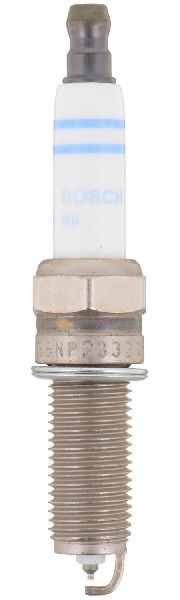
- Quality Aftermarket (Bosch, Champion): Bosch offers excellent options like their Double Iridium plugs, which are designed for long life and efficient ignition. Champion is another long-standing brand with reliable products. These are solid choices that can offer a balance of performance and price.
- Budget-Friendly (Autolite, Skyward): Brands like Autolite provide iridium plugs at a more accessible price point and are a well-regarded aftermarket option. Skyward and other value-focused brands can get the job done, but may not offer the same longevity or material quality as the premium brands. They are best for those on a tight budget who don't mind potentially shorter replacement intervals.
Iridium vs. Platinum
For the 2015-2023 Sportage, Iridium spark plugs are the modern standard and generally recommended over older platinum or copper types. They have a higher melting point and are more durable, which is ideal for today's high-efficiency GDI engines. This durability translates to a longer lifespan and more stable performance.
Cost to Replace Kia Sportage Spark Plugs
| Item | Cost |
|---|---|
| DIY - Aftermarket Parts | $25 - $100 |
| Shop - Aftermarket Parts | $231 - $379 |
| Shop - OEM Parts (Dealer) | 🎬 See how to save money by replacing spark plugs yourself.$347 - $407 |
Cost estimates are for a set of four spark plugs and labor, if applicable. Prices can vary by location and specific product.
Frequently Asked Questions

How often should I replace the spark plugs on my Kia Sportage?
The recommended replacement interval can vary, but for modern iridium plugs, it's typically between 60,000 and 100,000 miles. However, some maintenance schedules suggest a replacement as early as 32,000 or 40,000 miles for the 2.4L engine. Always check your owner's manual for the specific recommendation for your engine and year.
Do I need to check the gap on new spark plugs?
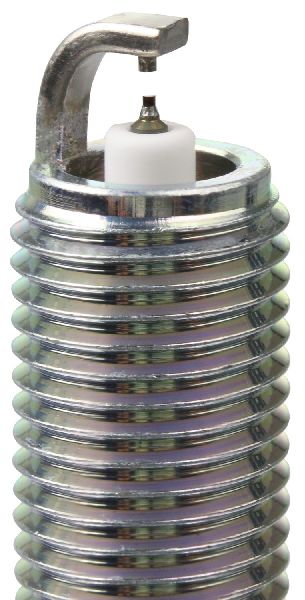
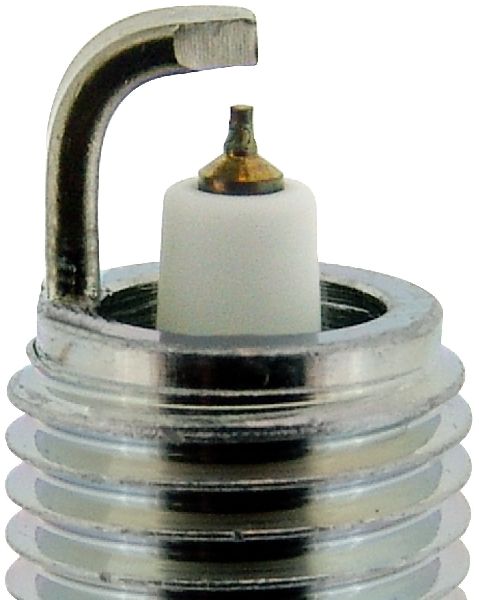
Many high-quality iridium and platinum plugs come pre-gapped. However, it is always a good practice to verify the gap with a feeler gauge before installation to ensure it wasn't altered during shipping. The correct gap for the 2.4L engine is typically 0.044 inches (1.1mm). Do not use a coin-style gapper on iridium plugs, as it can damage the fine electrode tip.
Is replacing the spark plugs a good DIY job?
Yes, for most mechanically inclined individuals, this is a very feasible DIY project. The spark plugs on the 4-cylinder engines are easily accessible after removing the engine cover and ignition coils. You will need a basic ratchet set with an extension, a 10mm socket for the coil bolts, and a 5/8" spark plug socket. A torque wrench is also highly recommended for proper installation.
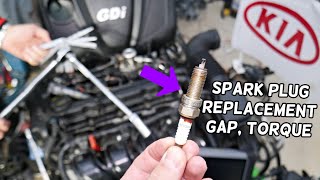
🎬 Learn the correct gap and torque specs for installation.Should I replace the ignition coils at the same time?
It is generally not necessary to replace the ignition coils unless you are experiencing issues with them or they are visibly damaged. Unlike spark plugs, ignition coils are not a routine maintenance item and are typically replaced only when they fail.
Helpful Videos
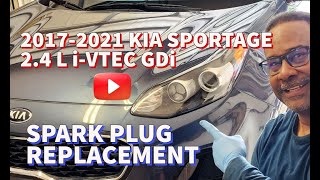

Technical Specifications
OEM Part Numbers: 1884911070 1885709085 1884711160
The most common engines are the 2.4L GDI and 2.0L Turbo GDI. Both use long-life iridium spark plugs. The typical gap specification for the 2.4L engine is 0.044 inches. The 2.0L Turbo may have a different specification. Always confirm the correct part number and gap for your specific engine.
We Have This Part in Stock

The information in this article is provided for general reference and educational purposes only. Vehicle specifications, procedures, and part compatibility can vary by production date, trim level, and region. Always consult your vehicle's factory service manual and verify part numbers before purchasing or performing repairs. Safety-critical components such as airbags, seat belts, and braking systems should be installed by a qualified professional.
- Kia Sportage: