

Jeep Renegade (2015-2023) Spark Plug Replacement Guide
Everything a Renegade owner needs to know about choosing and replacing spark plugs.
- Engine type is critical: Replacement intervals vary from 30,000 miles (1.4L) to 100,000 miles (2.4L).
- Check for oil leaks on the 2.4L engine; a bad valve cover gasket is a common cause of misfires.
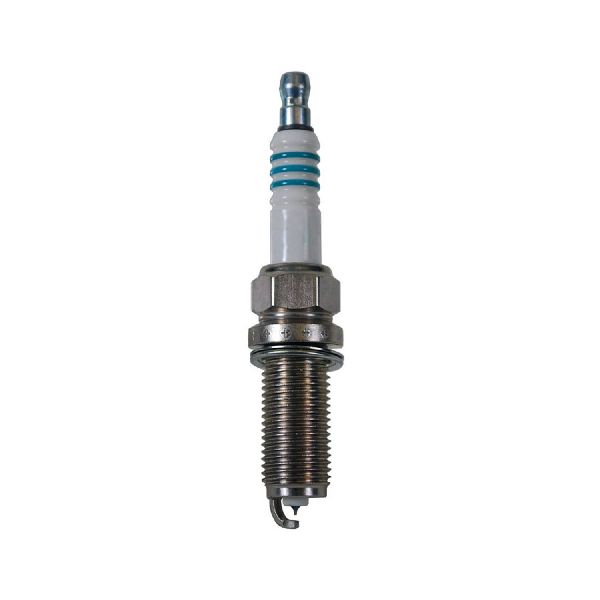
- Iridium plugs from brands like NGK, Denso, and Bosch are highly recommended for longevity and performance.
- A flashing check engine light signals a severe misfire; pull over immediately to prevent further damage.
Symptoms of Failing Spark Plugs

When your spark plugs are wearing out, your Renegade will usually let you know. The signs can start small but will get worse over time. Ignoring them can lead to more expensive repairs down the road.
- Rough Idle: The engine may shake or sound uneven when you're stopped.
- Engine Misfires: You might feel a hesitation or stumble from the engine, especially when accelerating. This can also trigger a flashing Check Engine Light, which is a sign to stop driving as soon as it's safe.
- Trouble Starting: Worn plugs have a harder time creating the spark needed to start the engine, making it slow to turn over.
- Poor Acceleration: Your Renegade may feel sluggish or weak when you press the gas pedal.
- Reduced Fuel Economy: If you notice you're filling up the gas tank more often, failing spark plugs could be the cause. An inefficient spark wastes fuel.
Known Issue: Oil on Spark Plugs (2.4L Engine)
A common issue on the 2.4L Tigershark engine is a leaking valve cover gasket. This allows oil to seep into the spark plug tubes, soaking the plugs and ignition coils. This will cause a misfire (often codes P0301, P0302, P0303, P0304). If you find oil when you pull the ignition coil, you will need to replace the valve cover gasket set along with the spark plugs and possibly the ignition coils. 🎬 See how to replace the valve cover gasket on a 2.4L engine. Simply replacing the plugs will not solve the problem for long.
Choosing the Right Aftermarket Spark Plugs
You don't have to buy spark plugs from the Jeep dealer to get good quality. Many aftermarket brands meet or even exceed the quality of the original parts. Your Renegade came with different engines (1.4L Turbo, 2.4L Tigershark, and later the 1.3L Turbo), so it's critical to buy the correct plug for your specific engine.
Material Types Explained
- Copper: These are basic, affordable plugs. They work well but have the shortest lifespan, often needing replacement around 30,000 miles. Champion offers a popular copper plug.
- Platinum: A step up from copper, these have a platinum disc on the electrode for better durability. They last longer than copper plugs.
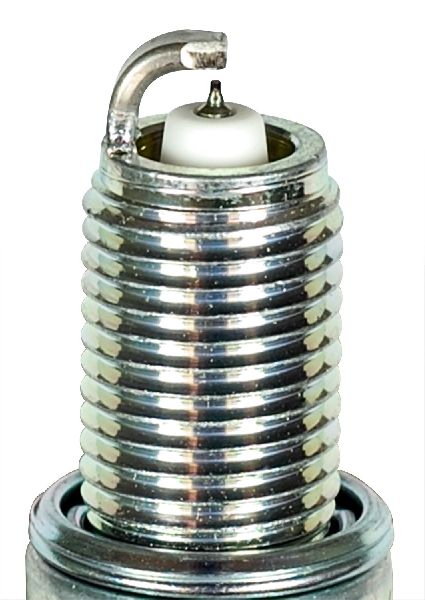
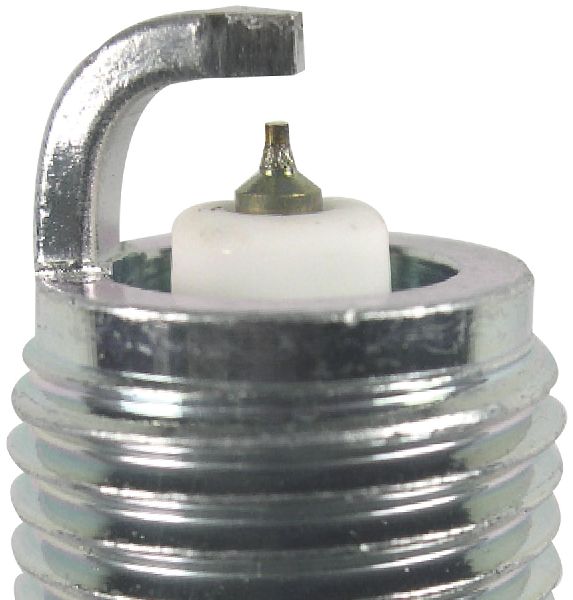
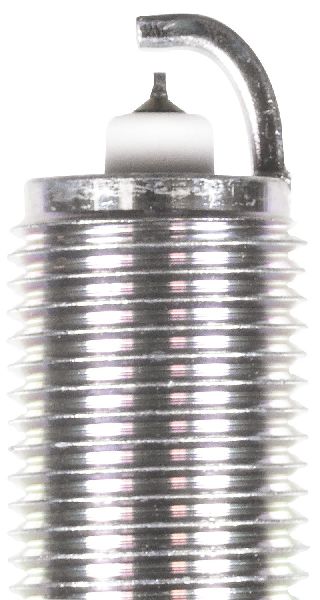
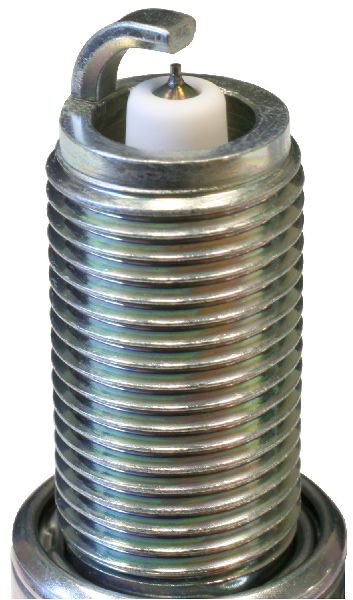
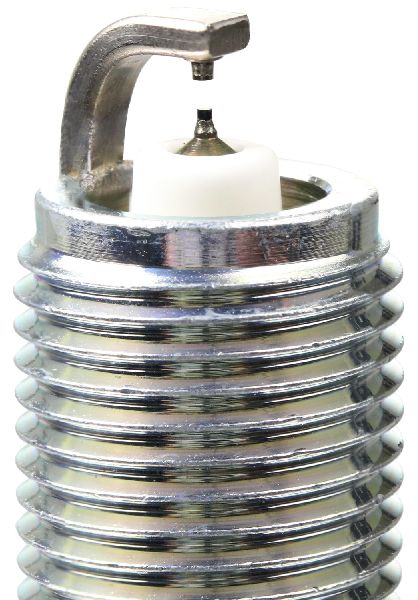
- Iridium: This is the modern standard and what is often recommended for the Renegade. Iridium is much harder and has a higher melting point than platinum. This allows for a very fine-wire electrode that provides a more focused, consistent spark. They offer the best performance and longest life, often lasting up to 100,000 miles in the 2.4L engine.
Brand Tiers for Your Renegade
- OEM-Equivalent (Good): Mopar is the official OEM brand, which often rebrands parts from other manufacturers. For the Renegade, the original plugs are typically made by NGK or Champion. Choosing these brands ensures you get a part designed specifically for your engine.
- Top-Tier Aftermarket (Better): Brands like NGK and Denso are leaders in ignition technology and are highly recommended by Renegade owners and mechanics. Their Iridium plugs (like the NGK Iridium IX or Laser Iridium series) are excellent choices for performance and longevity. Bosch also offers high-quality Double Iridium plugs that are a popular aftermarket option.
- Standard Aftermarket (Standard): Brands like Autolite and Champion offer a range of plugs from basic copper to Iridium. Their Iridium XP series is a solid choice. These are reliable, budget-friendly options that meet OEM requirements.
Pro Tip: Check the Gap
While most iridium and platinum plugs come pre-gapped, it's always a good idea to verify the gap with a feeler gauge before installation. An incorrect gap can cause misfires and poor performance. Do not use a coin-style gapper on iridium plugs, as it can damage the fine electrode tip.
Common Spark Plug Gaps for Jeep Renegade:
- 1.4L Turbo: 0.026 inches (0.65 mm)
- 2.4L Tigershark: 0.047 inches (1.20 mm)
- 1.3L Turbo: Check manufacturer specs, as this can vary. The Mopar replacement plug is part number 68440226AA. 🎬 Watch a professional installation of spark plugs on the 1.3T engine.
Cost of Spark Plug Replacement

The cost can vary depending on your engine and whether you do the job yourself or take it to a shop.
| Item | DIY Cost (Parts Only) | Shop Cost (Parts & Labor) |
|---|---|---|
| Spark Plugs (Set of 4) | $20 - $80 | $280 - $400+ |
Frequently Asked Questions (FAQ)
How often should I change the spark plugs on my Jeep Renegade?
This depends heavily on your engine. For the 1.4L Turbo, the interval is around 30,000 miles. For the 1.3L Turbo, it's about 40,000 miles. The 2.4L Tigershark engine has a much longer interval, with the manufacturer suggesting 100,000 miles, though many owners and mechanics recommend inspecting or changing them sooner.
Is it hard to change the spark plugs myself?
For a home mechanic with the right tools, changing the spark plugs on a Jeep Renegade is a very manageable job. 🎬 Watch this step-by-step guide to replacing your Renegade's spark plugs. The 2.4L and 1.4L engines offer straightforward access to the plugs. You'll need a ratchet, extensions, a 10mm socket for the coil pack bolts, and a specific spark plug socket (usually 5/8" for the 2.4L, 14mm for the 1.3L). Always thread the new plugs in by hand first to avoid cross-threading the aluminum engine head.
What are the OEM spark plugs for my Renegade?
The OEM plugs are typically Mopar-branded, but the actual manufacturer is usually Champion or NGK. For the 2.4L engine, the OEM Champion plug is a common part number. For the 1.4L engine, an NGK Iridium plug is the original part. Always verify the correct part number for your specific year and engine.
My Check Engine Light is flashing. What should I do?
A flashing Check Engine Light indicates a severe engine misfire. This can dump unburned fuel into the exhaust system, potentially damaging the catalytic converter, which is a very expensive repair. You should pull over as soon as it is safe to do so and have your vehicle towed to a repair shop. Do not continue to drive with a flashing Check Engine Light.
Should I use anti-seize on the new spark plug threads?
This is a topic of debate. Many modern spark plugs from brands like NGK and Bosch have a special nickel plating that prevents seizing and does not require anti-seize. In fact, using anti-seize with these plugs can act as a lubricant, causing you to over-torque the plug and potentially damage the engine's cylinder head. It's best to follow the specific recommendation of the spark plug manufacturer.
Helpful Videos
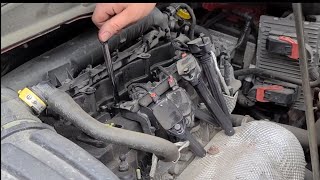
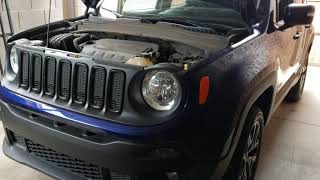
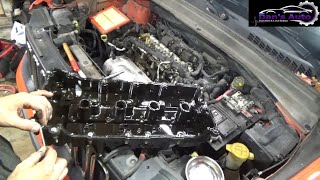
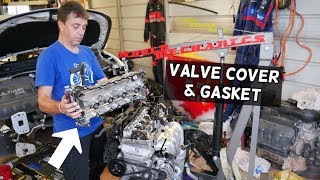
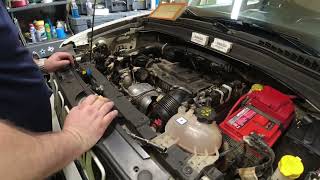
Technical Specifications
OEM Part Numbers: SP148183AC (Mopar for 2.4L) REC10WMPB4 (Champion for 2.4L) 68440226AA (Mopar for 1.3L) 55249868 (NGK for 1.4L)
Material: Iridium is recommended for most applications. Gap: Varies by engine (1.4L: ~0.026", 2.4L: ~0.047"). Socket Size: Varies by engine (e.g., 5/8" for 2.4L, 14mm for 1.3L).
We Have This Part in Stock

The information in this article is provided for general reference and educational purposes only. Vehicle specifications, procedures, and part compatibility can vary by production date, trim level, and region. Always consult your vehicle's factory service manual and verify part numbers before purchasing or performing repairs. Safety-critical components such as airbags, seat belts, and braking systems should be installed by a qualified professional.
- Jeep Renegade: