

Honda CR-V Speed Sensor Guide for 2015-2023 Models
Erratic speedometer or shifting problems in your CR-V? This guide explains the likely cause and how to fix it.
- The 'Vehicle Speed Sensor' on a 2015-2023 CR-V is actually a set of four wheel speed (ABS) sensors.
- Symptoms include ABS/VSA lights, a faulty speedometer, and poor transmission shifting.
- Reputable aftermarket brands like Delphi, Standard Ignition, and Walker are reliable, cost-effective alternatives to OEM.
- This is a DIY-friendly repair, but you need an ABS-capable scan tool to identify which of the four sensors has failed.
Understanding Speed Sensors in Your CR-V

When you hear 'Vehicle Speed Sensor' for a modern Honda CR-V, it almost always refers to the Wheel Speed Sensors. These are critical parts of the Anti-lock Braking System (ABS). Your car's computer relies on them for many functions, from the speedometer on your dash to vital safety systems.
It's important to know that your CR-V's continuously variable transmission (CVT) also has its own internal speed sensors (input and output sensors). These are different parts located on the transmission itself and typically cause shifting problems and Check Engine Light codes like P0720 or P0721 if they fail. This guide focuses on the more commonly replaced wheel speed sensors.
Symptoms of a Failing Wheel Speed Sensor

A bad wheel speed sensor can cause more than just a broken speedometer. Because the sensor's data is used by many different systems, a failure can create a variety of problems. Here are the most common signs:
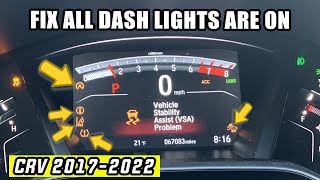
- Warning Lights on Dash: The most common symptom is an illuminated ABS, Traction Control (VSA), or Check Engine light. Sometimes, multiple warning lights will come on at once. 🎬 Watch: How to fix multiple dash warning lights on your CR-V
- Speedometer and Odometer Issues: The speedometer may behave erratically, jump around, or stop working completely.
- Poor Transmission Shifting: Your CR-V might hesitate, shift harshly, or feel like it's struggling to accelerate, especially up hills.
- Cruise Control Not Working: If the computer doesn't know how fast the car is going, it will disable the cruise control.
- Braking Problems: The anti-lock braking system (ABS) may not function correctly in an emergency stop.
Choosing the Right Aftermarket Speed Sensor

When replacing a failed sensor, you don't have to buy the expensive OEM part from the dealer. Reputable aftermarket brands offer quality parts that meet or exceed original specifications. For your CR-V, brands like Delphi, Standard Ignition (SMP), and Walker Products are reliable choices.
| Brand Tier | Brands | Quality & Notes |
|---|---|---|
| Premium Aftermarket | Delphi, Standard Ignition | Both are well-known as original equipment (OE) suppliers for many car makers. They have a strong reputation for quality, testing, and engineering that matches the original part's performance. A reliable choice for a long-lasting repair. |
| Quality Aftermarket | Walker Products | Walker is a trusted aftermarket brand that specializes in engine management components. Their sensors are designed as direct-fit replacements and are tested to ensure they perform correctly, offering a good balance of quality and value. |
A Note on Wiring
Before replacing a sensor, inspect the wiring harness connected to it. Rodents can chew wires, and connectors can corrode. A surprising number of sensor-related error codes are caused by wiring issues, not a faulty sensor.
Cost to Replace a Honda CR-V Speed Sensor
The cost depends on whether you do the job yourself or take it to a shop. Replacing a wheel speed sensor is a manageable DIY task for many people.
| Expense | Estimated Cost |
|---|---|
| New Aftermarket Part | $45 - $98 |
| Shop Labor | $100 - $220 |
| DIY Total | $45 - $98 |
| Shop Total | $145 - $318 |
Frequently Asked Questions

Where is the wheel speed sensor located on a 2015-2023 CR-V?
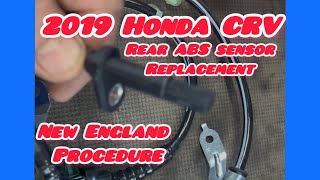
There is one sensor at each wheel. It is a small, black sensor mounted to the steering knuckle, right behind the brake rotor. 🎬 See this walkthrough for replacing a rear ABS sensor It is held in place by a single 10mm bolt.
Can I replace a wheel speed sensor myself?
Yes, this is a good DIY job for those with basic tools. The process involves safely lifting the car, removing the wheel, undoing one bolt, and disconnecting a wiring clip. 🎬 Watch this step-by-step guide to replacing an ABS wheel sensor The most difficult part can be the bolt seizing due to rust. You will need an OBD-II scanner that can read ABS codes to know which of the four sensors has failed.
Do I need to replace all four sensors at once?
No. You only need to replace the specific sensor that has failed. An ABS-capable scan tool will give you a code that points to the exact wheel causing the problem (e.g., 'Front Left Wheel Speed Sensor Circuit').
What happens if I don't replace a bad speed sensor?
While you can still drive the vehicle, it's not recommended. Your speedometer and odometer may not work, your transmission may shift poorly, and critical safety systems like ABS and traction control will be disabled. This can reduce your ability to control the car in an emergency.
Helpful Videos
Technical Specifications
OEM Part Numbers: 28810-RPC-013 28820-RPC-013 57450-T0A-A01 57455-T0A-A01 57470-T0A-A01 57475-T0A-A01
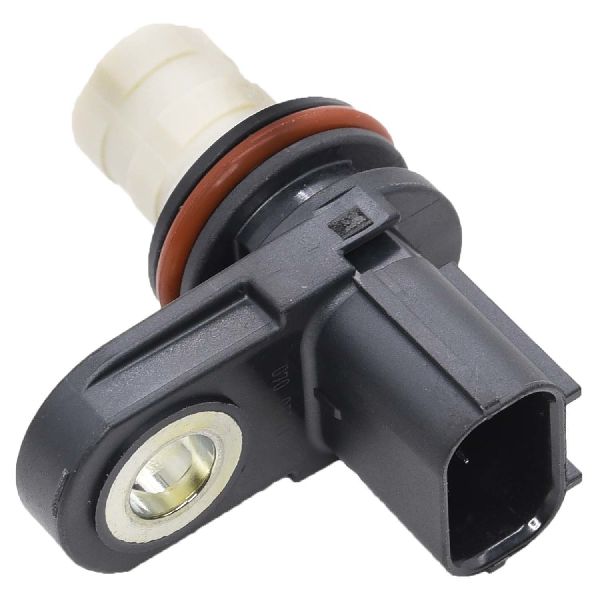
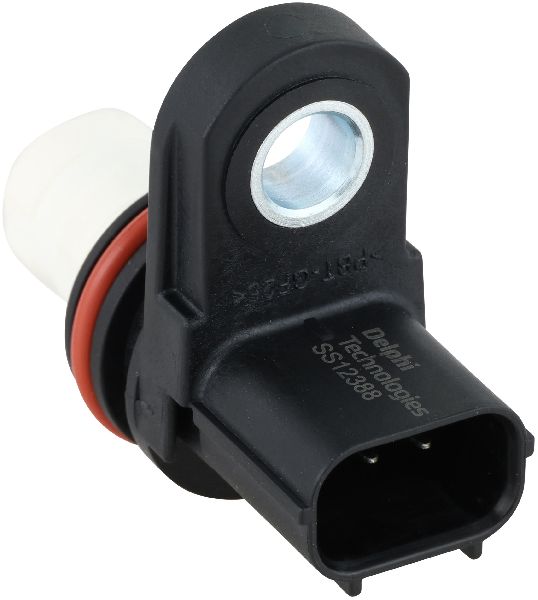
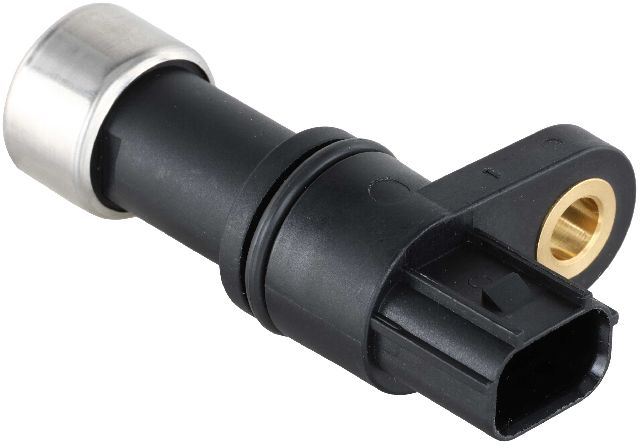
This part is a 2 or 3-pin magnetic sensor, typically mounted with a single bolt to the wheel's steering knuckle. There are four unique parts for the vehicle: front left, front right, rear left, and rear right. The transmission also contains separate input/output speed sensors.
We Have This Part in Stock

The information in this article is provided for general reference and educational purposes only. Vehicle specifications, procedures, and part compatibility can vary by production date, trim level, and region. Always consult your vehicle's factory service manual and verify part numbers before purchasing or performing repairs. Safety-critical components such as airbags, seat belts, and braking systems should be installed by a qualified professional.
- Honda CR-V: