

Ford Ranger Mass Air Flow Sensor: A Guide for 2019-2023 Models
Experiencing poor fuel economy or a rough idle in your Ranger? Your Mass Air Flow sensor could be the culprit.
- A faulty MAF sensor on a 2019-2023 Ranger commonly causes a check engine light (P0101), rough idle, and poor gas mileage.
- Replacement is a simple DIY job, requiring only a T20 Torx screwdriver and about 15 minutes.
- Before replacing, try cleaning the sensor with dedicated MAF sensor cleaner as dirt is a common cause of failure.
- Hitachi is a highly-rated aftermarket brand, often considered OEM-quality, providing a reliable alternative to the dealer part.
Understanding the MAF Sensor in Your Ranger

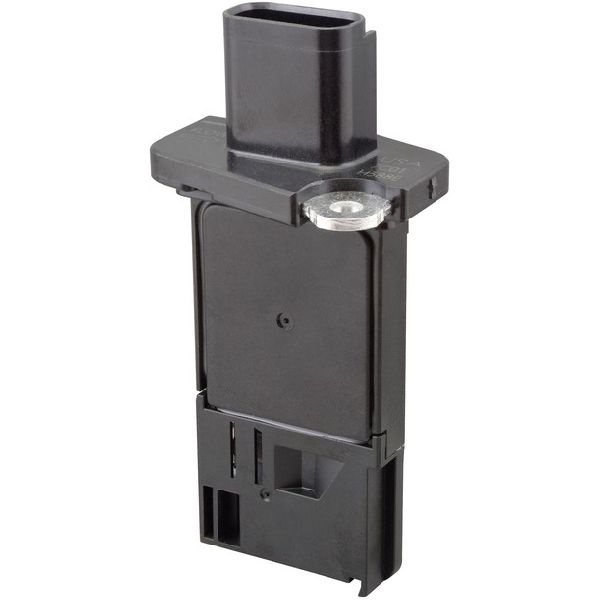
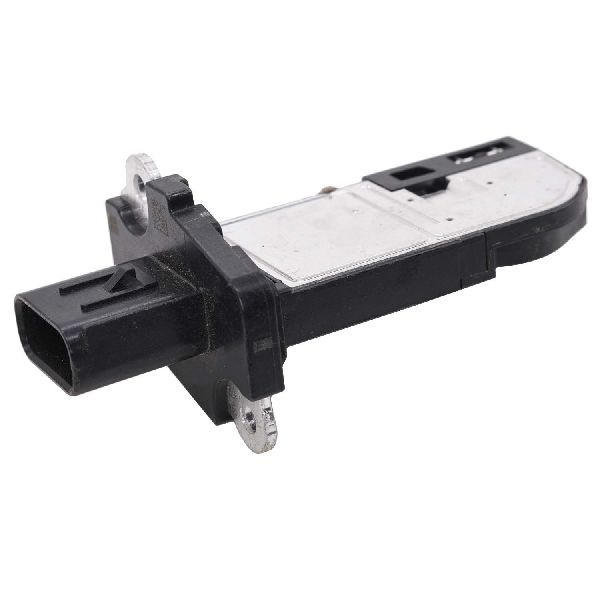
The Mass Air Flow (MAF) sensor is a key component for keeping your 2019-2023 Ford Ranger's 2.3L EcoBoost engine running efficiently. It uses a hot wire or film to measure the volume and density of air entering the engine. The engine's computer needs this data to create the perfect air-fuel mixture for combustion. Over time, the sensor's delicate wire can get contaminated with dirt, dust, or oil, which can cause it to send inaccurate readings to the computer. This leads to a range of engine performance problems.
A Note on Model Years
This article is specifically for the North American Ford Ranger, sold from the 2019 to 2023 model years. While some international models from 2015-2018 may use similar parts, this guide focuses only on the US-market version equipped with the 2.3L EcoBoost engine.
Symptoms of a Failing MAF Sensor

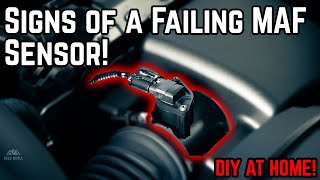
When the MAF sensor starts to fail, your truck will let you know. The symptoms can range from minor annoyances to serious drivability issues. 🎬 Watch: A visual guide to common bad MAF sensor symptoms The most common sign is the Check Engine Light illuminating on your dashboard. Other frequent symptoms include:
- Poor Fuel Economy: The computer may inject too much fuel based on bad sensor data, causing you to fill up more often.
- Rough Idle: Your Ranger might shake or vibrate when stopped at a red light.
- Hesitation or Sluggish Acceleration: A lack of power when you press the gas pedal is a classic sign of a bad MAF sensor.
- Stalling: In more severe cases, the engine may stall, especially at idle.
- Black Smoke from Exhaust: This indicates the engine is running "rich," meaning there's too much fuel and not enough air.
Pro Tip: Clean Before You Replace
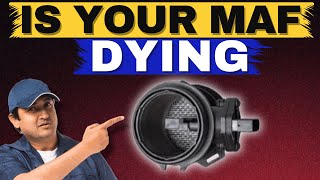
Sometimes, a MAF sensor isn't broken, just dirty. Before buying a new part, you can try cleaning the sensor using a dedicated MAF sensor cleaner spray. Never touch the delicate sensor wires with your fingers or a tool, and do not use brake cleaner or carburetor cleaner, as they will damage the sensor. If cleaning doesn't solve the problem, replacement is the next step.
🎬 See how to properly clean your Ranger's MAF sensorChoosing the Right Aftermarket MAF Sensor

When replacing your Ranger's MAF sensor, you don't have to buy the expensive OEM part from a dealer. Quality aftermarket brands offer a reliable and affordable alternative.
- Hitachi: Hitachi is a well-regarded brand that is often the original equipment manufacturer (OEM) for many car parts. Choosing a Hitachi sensor often means you are getting the same quality as the original part without the dealership markup. They are known for precision, durability, and meeting OE performance standards.
- Walker Products: Walker is another established aftermarket brand that provides a cost-effective option. While generally considered a standard replacement part, it offers a reliable solution for Ranger owners on a budget.
Known Issues, TSBs, and Recalls
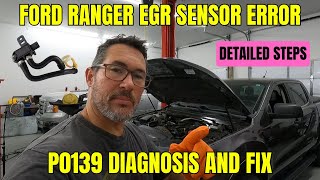
As of late 2024, there are no specific recalls or widespread Technical Service Bulletins (TSBs) from Ford directly related to the mass air flow sensor for the 2019-2023 Ranger. However, some owners have reported a bucking or surging sensation that can sometimes be mistaken for a MAF sensor issue. This problem is often linked to moisture in the EGR DPFE sensor, which is a separate component. 🎬 Watch: How to diagnose and fix EGR pressure sensor issues There have been other recalls for the 2019 Ranger, such as for the HVAC blower motor, but none for the MAF sensor itself.
Cost of Replacing a Ford Ranger MAF Sensor
| Part Type | Estimated Cost |
|---|---|
| New OEM (Motorcraft) | $18 - $30 |
| New Aftermarket (Hitachi, Walker) | $81.38 - $87.68 |
| Shop Labor | $50 - $100 |
Frequently Asked Questions

Where is the MAF sensor located on a 2019-2023 Ford Ranger?
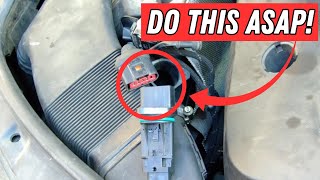
The MAF sensor is located in the engine bay, on the air intake tube between the air filter box and the engine's throttle body. It is typically held in place by two T20 Torx screws and has an electrical connector attached.
Can I drive my Ranger with a bad MAF sensor?
Yes, but it is not recommended for long. A failing MAF sensor can lead to poor performance, bad fuel economy, and potentially damage other components like the catalytic converter over time. Your truck may also enter a "limp mode" with reduced power.
What tools do I need to replace the MAF sensor?
The replacement is very simple and typically only requires a T20 Torx bit screwdriver to remove the two screws holding the sensor in place. You may also need a flathead screwdriver or an 8mm socket to loosen the clamp on the air intake tube for better access.
What are the common error codes for a bad MAF sensor?
The most common trouble code is P0101 (Mass Air Flow Circuit Range/Performance Problem). Other related codes can include P0100, P0102, P0103, and P0104, all pointing to an issue within the MAF sensor circuit.
Helpful Videos
Technical Specifications
OEM Part Numbers: JX6Z12B579A
The MAF sensor for the 2019-2023 Ford Ranger is a 'hot-film' type sensor element that installs into the air intake duct. It uses a 6-pin blade-style electrical connector.
We Have This Part in Stock

The information in this article is provided for general reference and educational purposes only. Vehicle specifications, procedures, and part compatibility can vary by production date, trim level, and region. Always consult your vehicle's factory service manual and verify part numbers before purchasing or performing repairs. Safety-critical components such as airbags, seat belts, and braking systems should be installed by a qualified professional.
- Ford Ranger: