

A Jeep Renegade Owner's Guide to the Ignition Knock Sensor (2015-2022)
Understand the signs of a failing knock sensor and choose the right replacement for your Renegade.
- A bad knock sensor will trigger a check engine light (often code P0325) and cause poor performance and fuel economy.
- Before buying parts, you MUST visually confirm if the sensor on your 2.4L engine is on the front or rear of the block, as this drastically changes repair difficulty.
- Ignoring the problem can risk engine damage if true detonation occurs and the computer cannot correct for it.
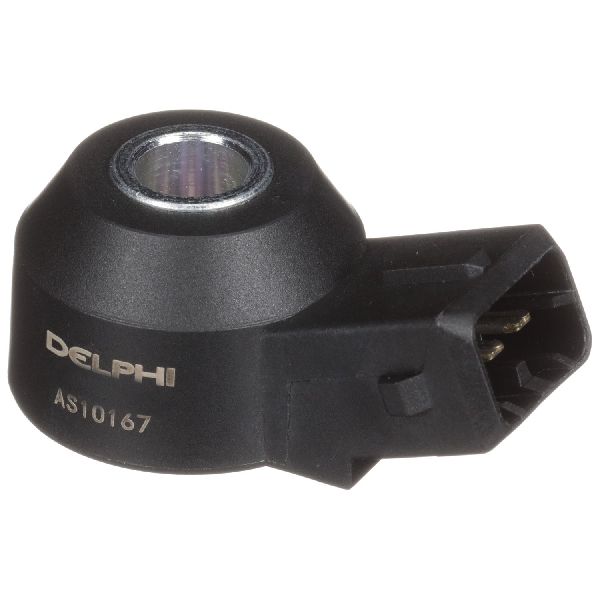
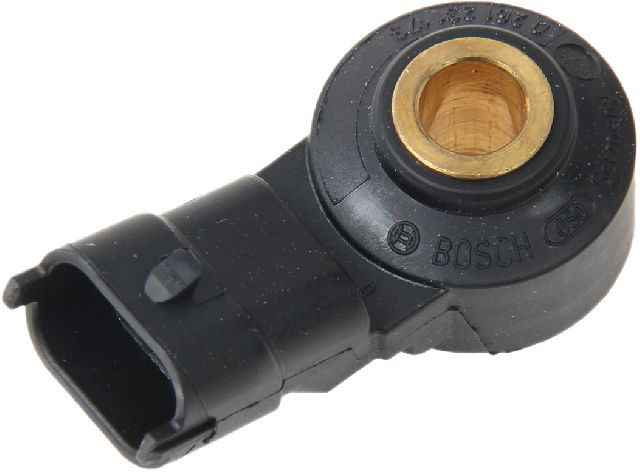
- High-quality aftermarket brands like Bosch or Delphi are good alternatives to OEM, but be aware that some Renegades can be picky with electronic parts.
Is a Failing Knock Sensor a Serious Problem?

Yes, it can be. When the knock sensor fails, the engine's computer can no longer detect harmful detonation. To protect the engine, the computer will often switch to a default "safe mode." This typically involves retarding the ignition timing, which leads to noticeable symptoms like sluggish acceleration and poor fuel economy. While the vehicle is usually safe to drive for a short time, ignoring a bad knock sensor can be risky. If your engine is truly knocking and the computer doesn't know it, you could be on the path to serious and expensive internal engine damage.
Symptoms of a Bad Knock Sensor in a Jeep Renegade

A failing knock sensor will almost always let you know something is wrong. Here are the most common signs:
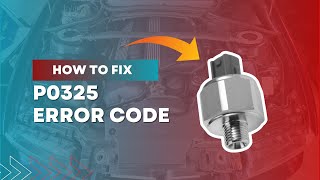
- Check Engine Light: This is the most common symptom. The computer will store a Diagnostic Trouble Code (DTC), most frequently P0325 (Knock Sensor 1 Circuit Malfunction). 🎬 Watch: How to fix a P0325 trouble code Other related codes can range from P0324 to P0334.
- Poor Engine Performance: Your Renegade may feel sluggish and slow to accelerate. The engine is in a protective mode, limiting its power output.
- Reduced Fuel Economy: When the ignition timing is altered for safety, the engine doesn't burn fuel as efficiently, causing you to visit the gas station more often.
- Audible Engine Knocking or Pinging: You might hear a metallic pinging or knocking sound, especially when the engine is under load, like going up a hill or accelerating hard. This is the very problem the sensor is supposed to prevent.
Confirming the Location on Your 2.4L Engine
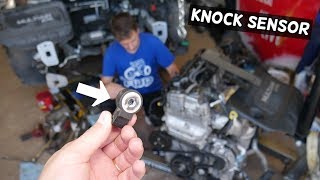
There is conflicting information regarding the knock sensor's location on the 2.4L Tigershark engine used in the Renegade. Some sources show it on the rear of the engine block, which requires removing the intake manifold for access—a difficult job. However, other videos, including one showing an engine from a 2015 Renegade, clearly place it on the front of the engine block, accessible by removing the exhaust heat shield. 🎬 See this video showing the front-mounted sensor location Before buying parts or starting the job, it is critical to visually inspect the front of your engine block, below the exhaust manifold, to confirm the sensor's location. This will determine the difficulty and cost of the repair.
Choosing the Right Aftermarket Knock Sensor

While a Mopar sensor from the dealer is always an option, several aftermarket brands offer quality replacements at a lower price. However, some Jeep owners have reported that their vehicle's computer can be sensitive, sometimes only accepting the original Mopar part after an aftermarket one failed to clear the trouble code.
- Top Tier (OEM-Quality): Brands like Bosch, Delphi, and NGK (also sold as NTK) are often the original equipment manufacturers for many car brands. They are generally considered the most reliable aftermarket choices.
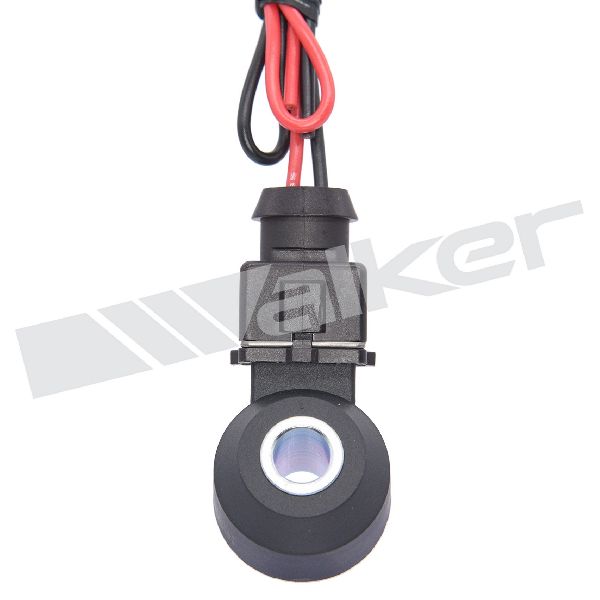
- Reliable Aftermarket: Standard Ignition and Walker Products have a solid reputation for producing dependable sensors that meet OEM specifications.
- Budget-Friendly: Crown Automotive is a popular brand for Jeep parts, but some forum users have reported mixed results and parts that are out of specification. Use with caution if reliability is your top priority.
| Part/Service | Estimated Cost |
|---|---|
| New Aftermarket Part | $21 - $54 |
| New OEM (Mopar) Part | $110 - $150 |
| Shop Labor | $100 - $350+ |
| Total Professional Replacement | $220 - $500+ |
Note: Labor costs vary significantly based on the sensor's location. A front-mounted sensor is much cheaper to replace than one requiring intake manifold removal.
Frequently Asked Questions (FAQ)

Can I replace the knock sensor myself?
It depends on the location. If the sensor is on the front of the engine, a DIYer with basic tools can likely complete the job in 1-2 hours by removing the heat shield. If it's on the rear of the block under the intake manifold, the job is much more complex and is best left to a professional mechanic unless you are very experienced. This requires disconnecting many other components and can take several hours.
Where is the knock sensor on my Jeep Renegade?
On the common 2.4L engine, you must visually check. Look at the front of the engine block, below the exhaust manifold heat shield. If you don't see it there, it is likely on the rear of the engine block, underneath the plastic intake manifold. Always disconnect the battery before working near the starter or electrical components.
What happens if I don't replace a bad knock sensor?
You will continue to experience poor performance and bad gas mileage as the engine's computer stays in a safe mode. More importantly, if the engine develops a real knock from bad fuel or another issue, the computer won't be able to protect it, which could lead to severe engine damage.
Is it the sensor or just a bad wire?
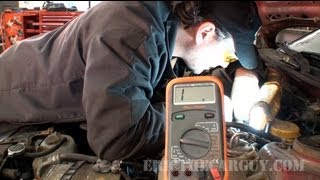
It's possible the problem is the wiring or connector, not the sensor itself. Before replacing the sensor, inspect the wiring harness for any visible damage, fraying, or corrosion at the connector. Sometimes a simple wiring repair is all that's needed. A mechanic can also test the sensor's circuit to confirm where the fault lies.
🎬 Watch: Professional tips for diagnosing a knock sensor circuitHelpful Videos
Technical Specifications
OEM Part Numbers: 68570138AA 68240667AC 5033316AA 56028563AA
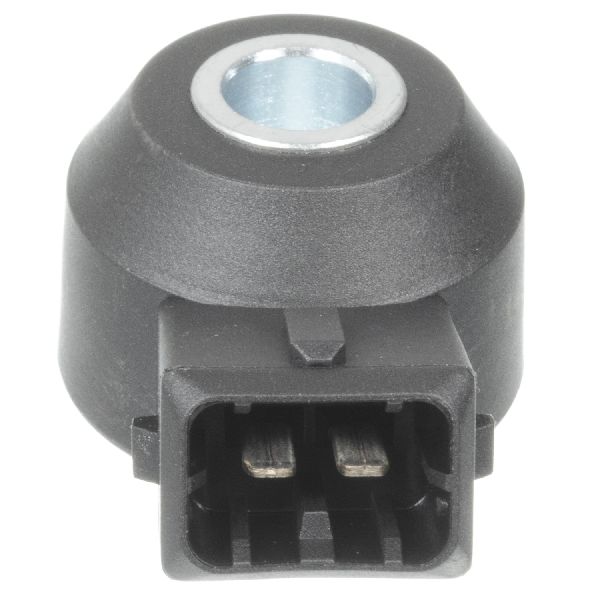
The knock sensor on the Jeep Renegade is a piezoelectric sensor that generates an AC voltage signal in response to engine vibrations. The 2.4L Tigershark engine uses one sensor. The torque specification for installation is critical; over-tightening can damage the sensor or cause false readings.
We Have This Part in Stock


The information in this article is provided for general reference and educational purposes only. Vehicle specifications, procedures, and part compatibility can vary by production date, trim level, and region. Always consult your vehicle's factory service manual and verify part numbers before purchasing or performing repairs. Safety-critical components such as airbags, seat belts, and braking systems should be installed by a qualified professional.
- Jeep Renegade: