

A Guide to the Engine VVT Solenoid for the 2015-2020 Mazda 6
Experiencing rough idling or a check engine light? Your VVT solenoid could be the problem.
- On the 2015-2020 Mazda 6, the VVT solenoid is under the valve cover, making replacement more complex and costly than on many other cars.
- A failing solenoid often triggers codes P0011 or P0012, but a TSB for some 2015 models suggests the VVT actuator could be the real cause.
- The leading cause of VVT solenoid failure is dirty or low engine oil; regular oil changes are crucial for prevention.
- When replacing the solenoid, you must also replace the valve cover gasket to prevent oil leaks.
Is Your Mazda 6 VVT Solenoid Failing?

A bad Variable Valve Timing (VVT) solenoid can cause noticeable problems with your car's performance. Because it controls engine timing, a failure can throw off the whole system. The most common cause of failure is contaminated or old engine oil, which can clog the small passages and screens inside the solenoid. Keeping up with regular oil changes is the best way to prevent this issue.
Symptoms of a Bad VVT Solenoid

If your VVT solenoid is going bad, your Mazda 6 will likely let you know. Here are the common signs to watch for:
- Check Engine Light: This is often the first sign. The car's computer will detect a problem with the valve timing and trigger a warning light. Common trouble codes include P0011 and P0012. 🎬 Watch: How to diagnose and fix a P0012 check engine code
- Rough Idle: The engine may shake or run unevenly when you're stopped. In some cases, it might even stall.
- Poor Engine Performance: You might feel a loss of power, hesitation, or sluggish acceleration, as the engine can't adjust its timing correctly.
- Decreased Fuel Economy: When the VVT system isn't working, the engine becomes less efficient, and you'll notice you're using more gas.
- Engine Noise: A rattling or ticking sound from the engine, especially at idle or low speeds, can be a sign of a struggling VVT system.
Important Note on TSB for 2015 Mazda 6
Mazda issued a Technical Service Bulletin (TSB 01-015/15) for some 2015 Mazda 6 vehicles (VINs JM1GJ******170533 to 177277) that show codes P0011 or P0012. This issue may be caused by a faulty VVT actuator, not the solenoid. If you have these codes, it is important to have a mechanic properly diagnose the issue, as replacing the solenoid may not fix the problem.
Choosing the Right Aftermarket Solenoid

When replacing the VVT solenoid, you have options besides the expensive dealer part. Here’s a look at the quality you can expect from different aftermarket brands.
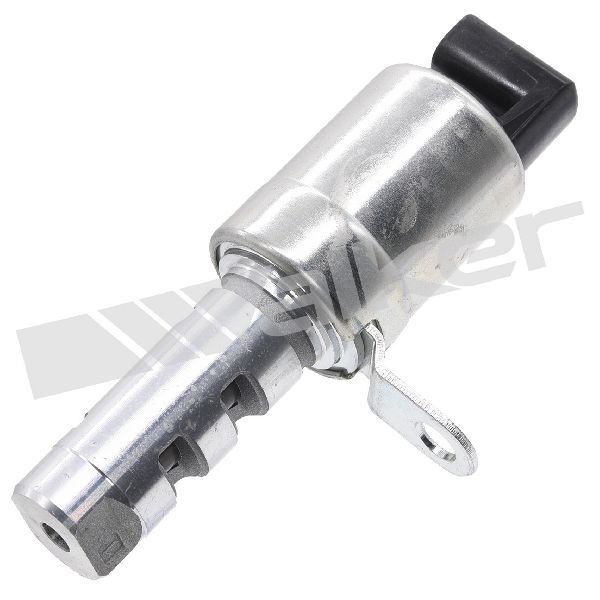
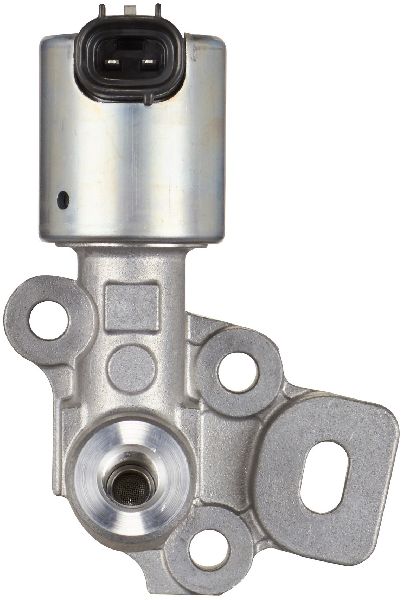
- Premium Aftermarket (e.g., Gates, Walker Products, Spectra): These brands aim to meet or exceed OEM specifications. They are a reliable choice for owners who want quality close to the original without the high price tag. Walker Products, for example, engineers their solenoids for an exact OE fit and tests them to meet performance standards.
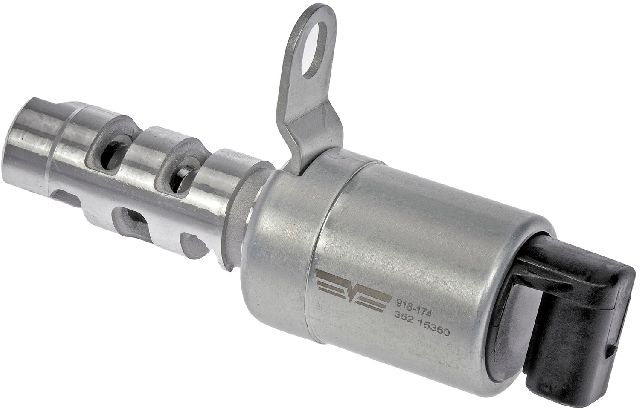
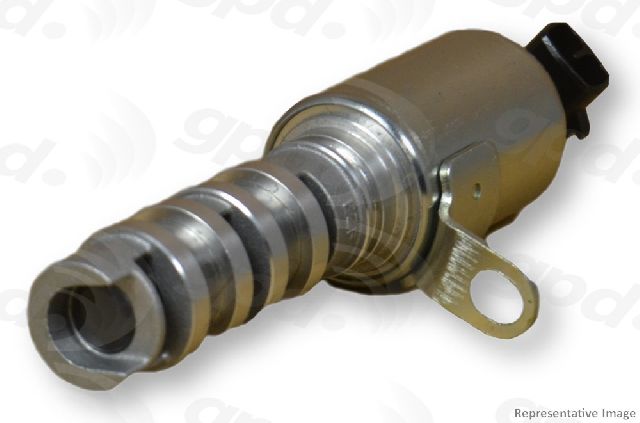
- Value Aftermarket (e.g., Dorman, Global Parts): These brands offer a more budget-friendly option. Dorman provides a direct replacement that is vehicle-tested. However, some mechanics and owners report mixed experiences with the long-term reliability of value-branded electronic parts compared to OEM or premium aftermarket options.
A Note on Installation for the Mazda 6
Unlike many other vehicles, the VVT solenoid on the 2015-2020 Mazda 6 is located under the valve cover. This makes the replacement more involved. The valve cover must be removed to access the solenoid, which means you must also replace the valve cover gasket (Part #PE01-10-235) at the same time to prevent oil leaks. This increases the labor time and cost compared to a more accessible solenoid.
Cost of Replacing a VVT Solenoid on a 2015-2020 Mazda 6
| Part Type | Estimated Part Cost |
|---|---|
| New Aftermarket | $68 - $308 |
| New OEM | $280 - $400 |
| Shop Labor | $150 - $250 |
Note: Labor costs are estimates and can vary by location and shop. The cost is higher than average for this part due to the need to remove the valve cover.
Frequently Asked Questions

Can I just clean my VVT solenoid?
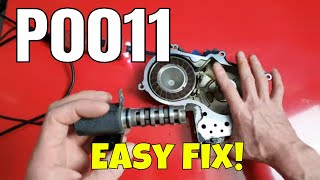
Sometimes, if the issue is a simple clog from dirty oil, cleaning the solenoid's screens with brake cleaner can restore its function. However, if the solenoid has failed electrically or is worn internally, cleaning will not fix it. 🎬 See how to clean and potentially fix your VVT solenoid for free Given the labor involved in accessing the part on a Mazda 6, most owners choose to replace it to avoid doing the job twice.
Is replacing the VVT solenoid a DIY job?
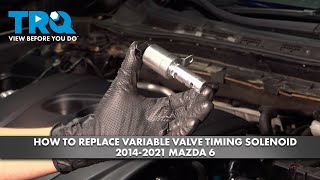
For the 2015-2020 Mazda 6, this is a moderately difficult job. Because the solenoid is under the valve cover, the process involves removing ignition coils, wiring harnesses, and the valve cover itself. It requires care to avoid dropping debris into the engine and correctly installing the new gasket. While possible for an experienced DIYer, it is more complex than on cars where 🎬 Watch: Step-by-step guide to replacing the solenoid on your Mazda 6 the solenoid is externally mounted.
Are there any recalls for this part?
No. As of early 2026, there are no recalls from Mazda or the NHTSA for the Engine VVT Solenoid on the 2015-2020 Mazda 6.
Why is regular oil so important for the VVT system?
The VVT system is hydraulic, meaning it uses pressurized engine oil to work. If the oil is dirty, old, or low, it can't create the pressure needed. Sludge and debris can clog the tiny screens and passages in the solenoid, causing it to stick or fail completely. Using the correct oil and changing it on schedule is the single best thing you can do to protect your VVT system.
Helpful Videos


Technical Specifications
OEM Part Numbers: PE01-14-420A PE01-14-420
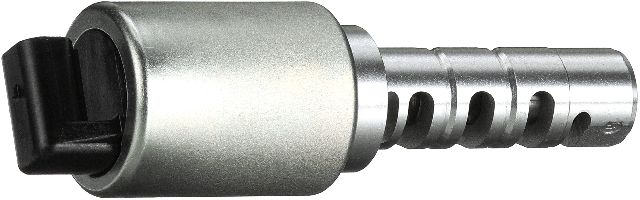
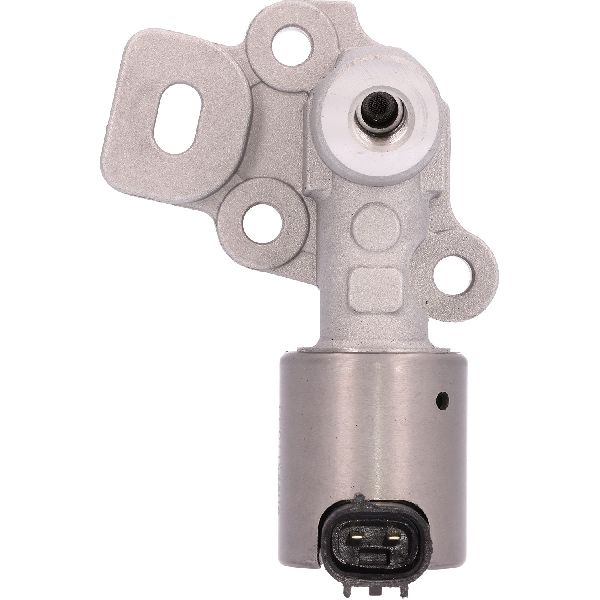
For the 2.5L Skyactiv-G engine. The solenoid is located under the valve cover. The system uses two identical solenoids, one for the intake and one for the exhaust camshaft.
We Have This Part in Stock

The information in this article is provided for general reference and educational purposes only. Vehicle specifications, procedures, and part compatibility can vary by production date, trim level, and region. Always consult your vehicle's factory service manual and verify part numbers before purchasing or performing repairs. Safety-critical components such as airbags, seat belts, and braking systems should be installed by a qualified professional.
- Mazda 6: