

A Nissan Altima Owner's Guide to the 2015-2019 Fuel Pump Module Assembly
Understand the symptoms of a failing fuel pump in your Altima and how to choose the right replacement part.
- A failing fuel pump will cause symptoms like hard starts, engine sputtering, stalling, and a whining noise from the rear seat.
- The most common trouble code associated with a failing pump is P0087, indicating low fuel rail pressure.
- Delphi is a top-tier aftermarket brand that often serves as the Original Equipment supplier, ensuring OEM-level quality.
- Replacement is accessible under the rear seat, making it a feasible DIY job for those comfortable with fuel system safety precautions.
Is Your Altima's Fuel Pump Failing?


A failing fuel pump in a 2015-2019 Nissan Altima can be tricky to diagnose because the symptoms often mimic other problems. You might first notice your car is hard to start, requiring multiple cranks before the engine turns over. Another common sign is engine sputtering or hesitation, especially when you accelerate or drive at highway speeds. In more serious cases, your engine might stall unexpectedly, which can be a major safety hazard. You may also hear a distinct whining or buzzing noise coming from the rear seat area, right above the fuel tank.
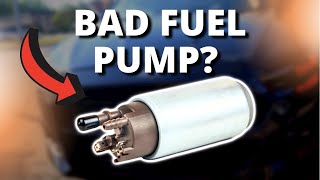
🎬 Watch: A breakdown of common symptoms of a bad fuel pump.Known Issues and Recalls
While the 2015-2018 models have no specific fuel pump recalls, Nissan did issue a recall for some 2019 Altima models (NHTSA Campaign ID 19V316000). This was due to a fuel pump lock ring that might not have been fully engaged, potentially causing a fuel leak and increasing fire risk. There was also a TSB for a potential "Fuel Pump Relay Stuck Open" code (B12A3-72) on some 2019 models. While these don't directly apply to the entire 2015-2019 range, they highlight the importance of the fuel system's integrity.
Choosing the Right Aftermarket Fuel Pump

When replacing your Altima's fuel pump, you have a choice between OEM and aftermarket parts. For this specific part, a high-quality aftermarket unit can offer a great balance of performance and value.
- Tier 1 (OEM-Equivalent): Delphi
Delphi is a well-respected brand that is often the original equipment (OE) manufacturer for many car companies. This means a Delphi pump is engineered to meet the exact specifications for fit and performance as the part your Altima came with from the factory. Choosing Delphi gives you confidence in quality, reliability, and correct fuel pressure delivery, which is critical for your car's computer and engine performance. - Tier 2 (Value Aftermarket): AutoBest
AutoBest is a brand that focuses on providing a reliable, direct-fit replacement at a more budget-friendly price point. These pumps are designed to match the form and function of the original part, ensuring a straightforward installation. For a daily driver, a brand like AutoBest can be a solid, cost-effective solution to get your car back on the road without the high cost of an OEM part.
Cost of Replacing Your Altima's Fuel Pump
The cost can vary significantly based on the part brand you choose and whether you do the job yourself or hire a professional mechanic. Labor costs for this job are relatively low because the pump is accessible from under the rear seat.
| Item | Estimated Cost |
|---|---|
| New OEM Part | $460 - $1,146 |
| New Aftermarket Part (Delphi, AutoBest) | $209 - $775 |
| Shop Labor | $104 - $153 |
| Total Professional Replacement (Aftermarket) | $313 - $928 |
A Note on Installation
The fuel pump on the 2015-2019 Altima is located under the rear seat cushion, making it accessible without dropping the fuel tank. While this makes it feasible for a skilled DIYer, working with the fuel system is inherently dangerous. Always disconnect the battery, relieve fuel pressure, and work in a well-ventilated area away from any sparks or open flames. If you are not comfortable with these precautions, it is best to leave this job to a professional.
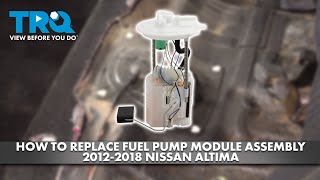
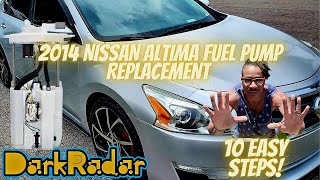
🎬 Follow this step-by-step guide for a DIY fuel pump replacement.Frequently Asked Questions

Can I drive with a failing fuel pump?
It is not recommended. A failing fuel pump is unreliable and can cause your engine to stall at any time, including in traffic, which is a serious safety risk. It's best to get the vehicle serviced as soon as you notice symptoms.
Why did my fuel pump fail?
Fuel pumps can fail for several reasons. The most common is simply wear and tear over time. Frequently driving with a very low fuel level can also cause the pump to overheat and fail prematurely, as the gasoline in the tank helps to cool the pump motor. Debris or contaminants in the fuel can also clog the pump and cause it to burn out.
Will a failing fuel pump always trigger a Check Engine Light?
Not always, especially in the early stages. However, if the fuel pressure drops significantly, it will likely trigger a code like P0087 (Fuel Rail/System Pressure - Too Low). A faulty fuel level sensor, which is part of the module, can also trigger codes like P0463.
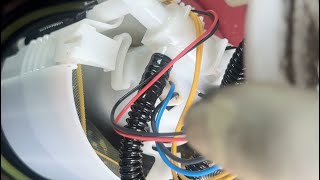
🎬 See how to replace the fuel pump to fix code P0463.Can I replace just the pump motor instead of the whole assembly?
While it is sometimes possible to replace only the motor, it is not recommended. The fuel pump module is sold as a complete, sealed unit for a reason. It includes the pump, filter/strainer, and sending unit, all of which wear out over time. Replacing the entire module ensures all components are new and avoids a repeat repair if another part of the old assembly fails soon after.
Helpful Videos
Technical Specifications
OEM Part Numbers: 17040-3TA0A 17040-3TA0B 17040-3TA0C 17040-3TA0D 17040-6CA0A 17040-6CC0A
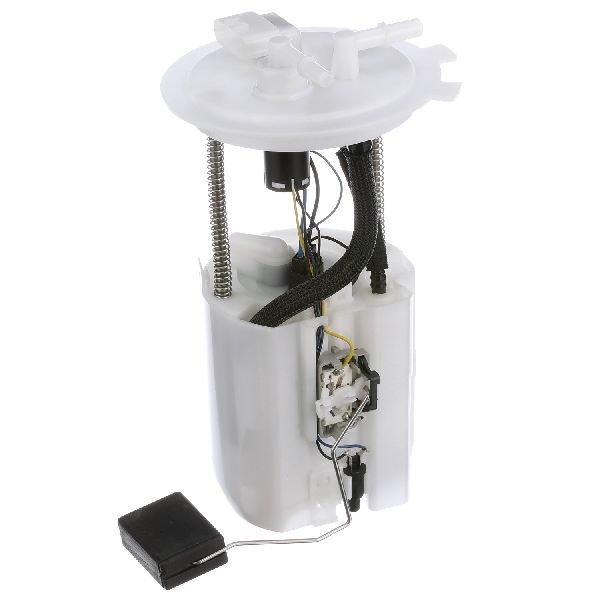
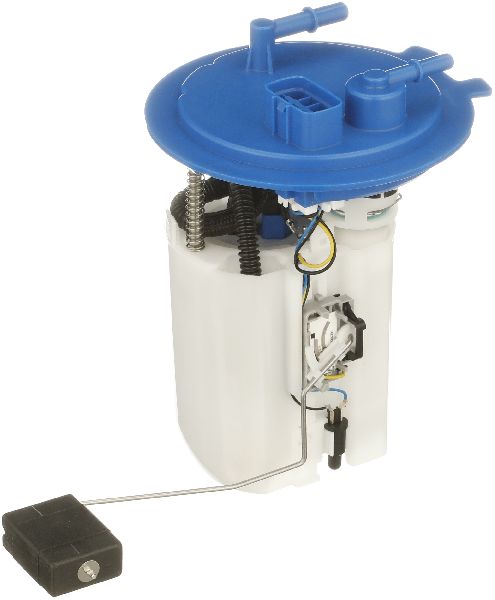
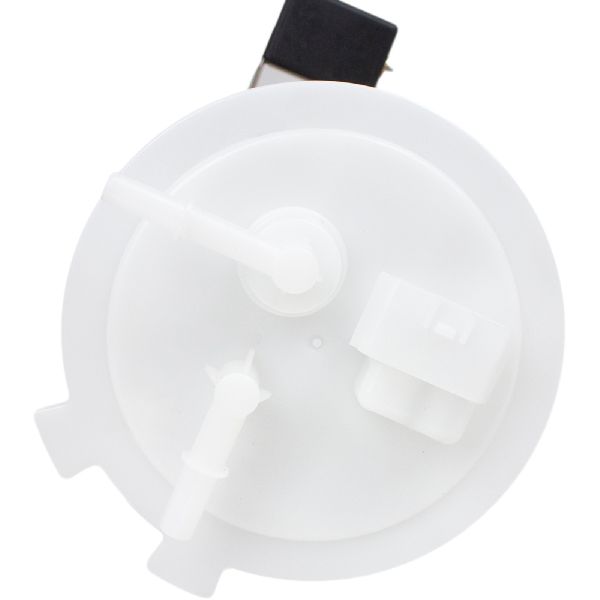
The fuel pump module assembly includes the in-tank fuel pump, fuel level sending unit, and fuel strainer. It is located inside the fuel tank and is accessible via a port under the rear seat cushion. The assembly is responsible for maintaining steady fuel pressure to the engine's fuel rail.
We Have This Part in Stock

The information in this article is provided for general reference and educational purposes only. Vehicle specifications, procedures, and part compatibility can vary by production date, trim level, and region. Always consult your vehicle's factory service manual and verify part numbers before purchasing or performing repairs. Safety-critical components such as airbags, seat belts, and braking systems should be installed by a qualified professional.
- Nissan Altima: