

A Comprehensive Guide to the 2015-2019 Nissan Altima Automatic Transmission Mount
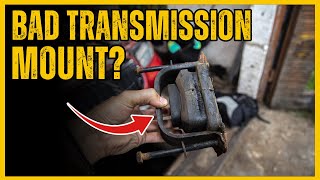
If your Altima is vibrating or making clunking noises, your transmission mount could be the reason.
- Excessive vibration at idle and clunking noises are the most common symptoms of a bad transmission mount on the 2015-2019 Altima.
- Be aware that CVT transmission issues can also cause vibrations; proper diagnosis is key.
- Factory OEM mounts are typically fluid-filled for smoothness, while cheaper aftermarket mounts are often solid rubber and may increase cabin vibration.
- Replacing the mount is a manageable DIY task for those with some experience, requiring basic tools and support for the transmission.
Is Your Altima Shaking? Recognizing a Bad Transmission Mount
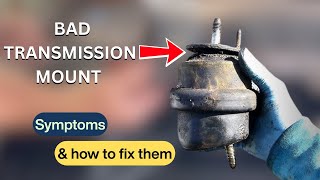
When the transmission mount on a 2015-2019 Nissan Altima fails, the signs are often hard to ignore. The original mounts contain rubber and fluid that can break down over time, leading to excessive movement and vibration. Look for these common symptoms:
🎬 Watch: 5 signs of a bad transmission mount to look for.- Excessive Vibration: You may feel a strong, persistent vibration through the steering wheel, floor, and seats. This is most noticeable when the car is stopped but still in gear (like at a red light) and may get worse when the A/C is on.
- Clunking or Thumping Noises: A loud "clunk" or "thud" from the engine bay when you accelerate, brake, or shift from Park to Drive or Reverse is a classic sign. This is the sound of the transmission moving too much and hitting against its limits.
- Visible Movement: If you have a helper, you can observe the engine and transmission while they shift the car between Drive and Reverse (with the parking brake on and their foot firmly on the brake). If the powertrain assembly jumps or lurches more than an inch or two, a mount has likely failed.
Is It the Mount or the CVT?
The 2015-2019 Altima is known for CVT transmission issues that can also cause juddering, shaking, or vibration. Nissan has issued Technical Service Bulletins (TSBs) like NTB17-039k for CVT judder. If your symptoms are mainly a shake or shudder during light acceleration (around 20-40 mph) rather than a clunk or vibration at idle, it's important to have the transmission itself checked for related TSBs or stored error codes like P17F0 or P17F1.
Choosing Your Aftermarket Part: OEM Quality vs. Aftermarket Price
When replacing your transmission mount, you have a choice between Original Equipment (OEM) and aftermarket parts. For the Altima, this choice significantly impacts ride quality.
- OEM Mounts: The factory Nissan mount is typically a hydraulic, fluid-filled design. This makes it excellent at absorbing the fine vibrations from the CVT, resulting in a smoother, quieter ride. The downside is a higher cost.
- Aftermarket Mounts: Brands like Anchor, DEA, and Westar offer a more affordable solution. However, these are often made of solid rubber instead of being hydraulic. While durable, solid rubber is less effective at damping vibrations and can cause a noticeable increase in cabin vibration compared to the original part. Many owners who choose economy aftermarket mounts report being unhappy with the new vibrations.
Brand Tiers: What to Expect
Anchor, DEA, and Westar are generally considered economy-tier brands. They provide a functional part that will secure your transmission at a low cost. However, be prepared for a potential trade-off in comfort. If your priority is restoring the original smooth feel of your Altima, investing in an OEM or premium aftermarket hydraulic mount is often recommended. If your priority is simply to fix a broken mount on a budget and you can tolerate some extra vibration, these brands are a viable option.
Estimated Replacement Costs for 2015-2019 Altima
| Part Type | Estimated Cost |
|---|---|
| New OEM Mount | $110 - $180 |
| New Aftermarket Mount | $49.12 - $132.96 |
| Shop Labor | $125 - $250 |
| Total Professional Replacement (Aftermarket) | $175 - $385 |
| Total Professional Replacement (OEM) | $235 - $430 |
Cost estimates are approximate and can vary by location and repair shop. Labor costs are based on an estimated 1-1.5 hours of work.
Frequently Asked Questions
Can I replace the transmission mount myself?
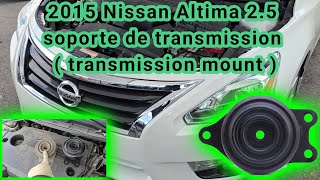
Yes, this is a DIY-feasible job for someone with moderate mechanical skill. The process involves supporting the transmission with a jack and wood block, removing the air filter box assembly for access, and then unbolting the old mount and installing the new one. 🎬 See this step-by-step walkthrough for replacing the transmission mount. It typically requires a basic socket set and about 1-2 hours.
How many mounts does my Altima have?
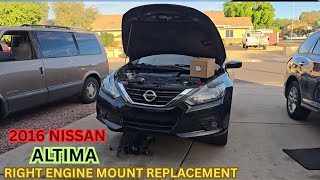
Your 2015-2019 Altima has a system of three or four mounts that hold the engine and transmission. This includes a passenger-side engine mount (which commonly fails), 🎬 Watch: How to replace the passenger-side engine mount. this transmission mount, and one or two lower torque struts (often called "dog bone" mounts). If one mount has failed, it's a good idea to inspect the others, as the extra stress may have worn them out too.
Why do cheap aftermarket mounts cause more vibration?
The original Nissan mount is often hydraulic (fluid-filled) to absorb a wide range of vibrations. Many budget aftermarket mounts use a solid block of rubber instead. While strong, solid rubber transmits more engine and transmission vibrations into the car's frame, which you feel in the cabin.
Are there any recalls on the transmission mount?
There are no specific recalls for the automatic transmission mount on the 2015-2019 Nissan Altima. However, there are numerous owner complaints and service bulletins related to the CVT transmission itself, which can also cause vibration.
Helpful Videos
Technical Specifications
OEM Part Numbers: 11360-3TA2A 11360-3TA1B 11360-3TA0B 11360-9HM0A
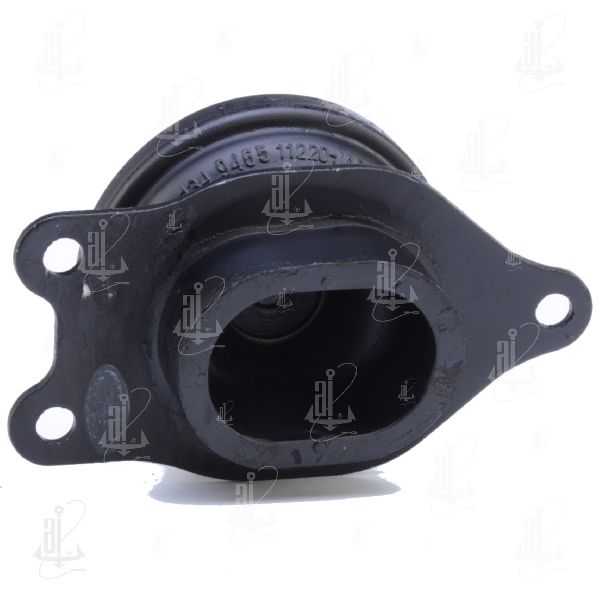
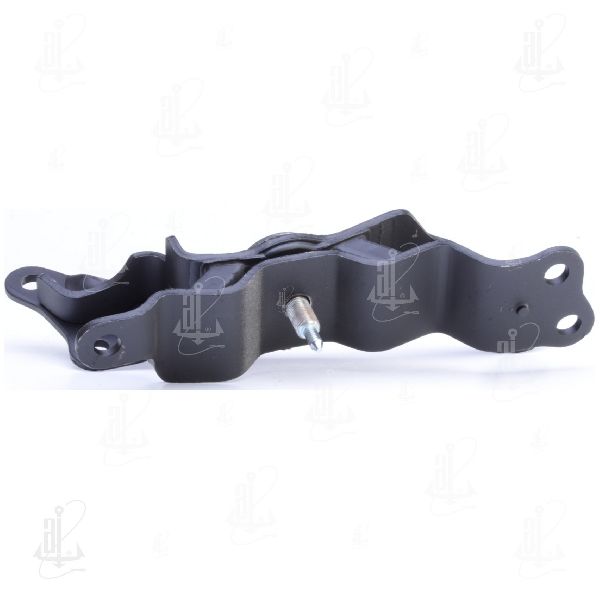
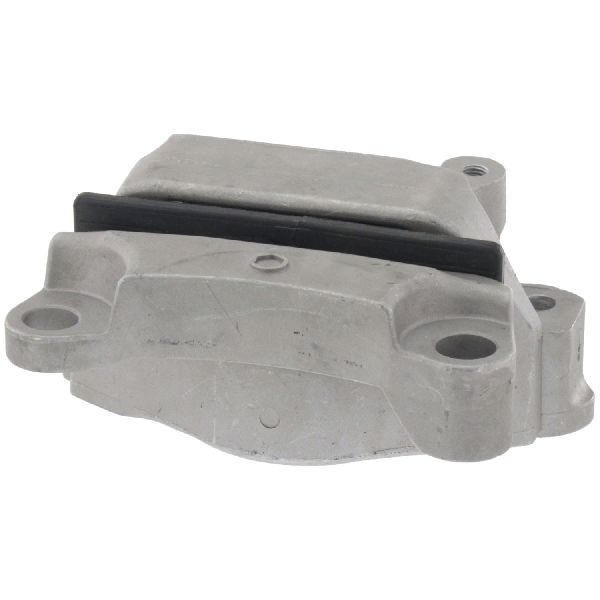
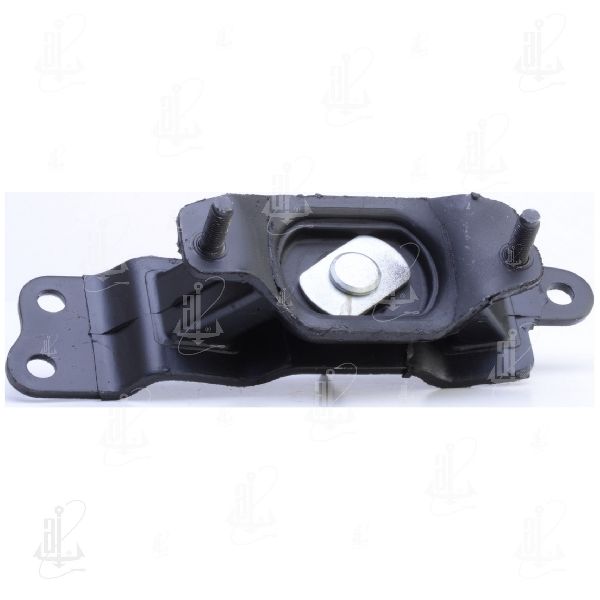
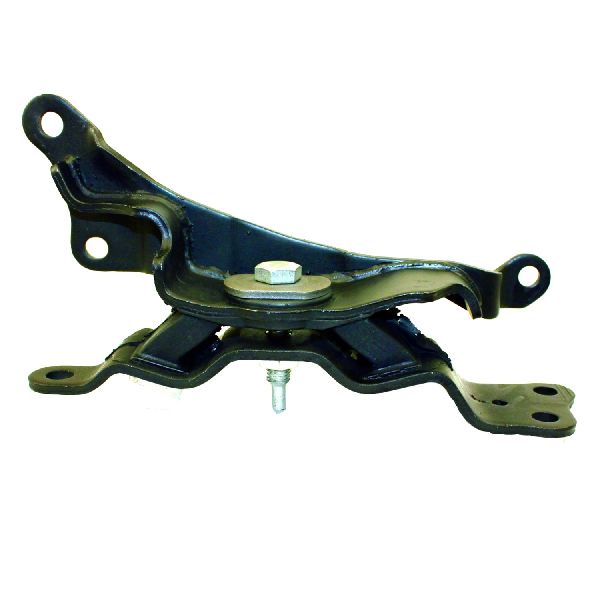
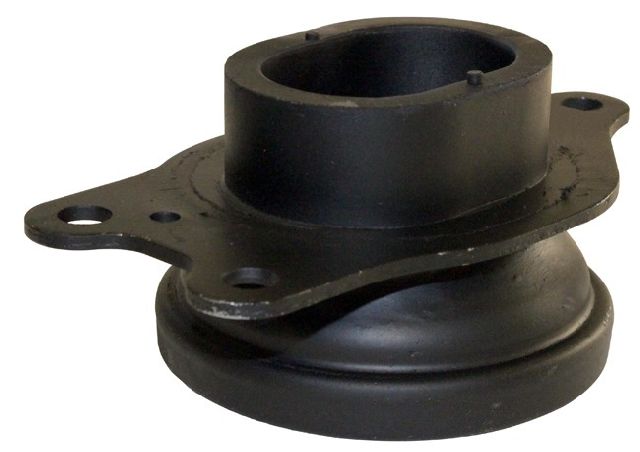
The transmission mount is located on the driver's side of the engine bay, under the air intake assembly. The original part is typically a hydraulic (fluid-filled) mount designed to dampen vibrations from the CVT.
We Have This Part in Stock

The information in this article is provided for general reference and educational purposes only. Vehicle specifications, procedures, and part compatibility can vary by production date, trim level, and region. Always consult your vehicle's factory service manual and verify part numbers before purchasing or performing repairs. Safety-critical components such as airbags, seat belts, and braking systems should be installed by a qualified professional.
- Nissan Altima: