

A Practical Guide to the 2015-2019 Mazda 3 Engine Mounts and Vibration Issues
If your Mazda 3 is shaking at stoplights, a failed passenger-side engine mount is the most likely cause.
- Vibration at idle on a 2015-2019 Mazda 3 is most often caused by a failed passenger-side hydraulic engine mount.
- Mazda issued a Technical Service Bulletin (TSB 01-017/19) for this issue and offers an updated OEM replacement part.
- For best results and to avoid new vibrations, using the updated OEM mount is highly recommended over budget aftermarket brands.
- Replacing the passenger-side mount is a common DIY repair that can be done in about 1-2 hours with basic tools.
Is Your Mazda 3 Vibrating at Idle?

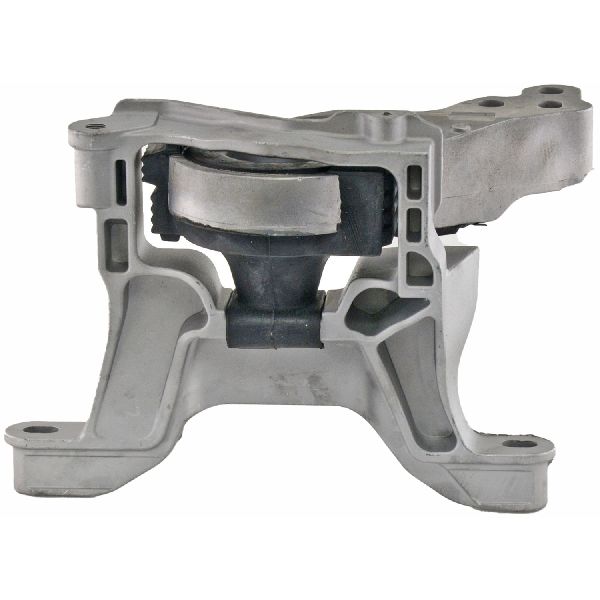
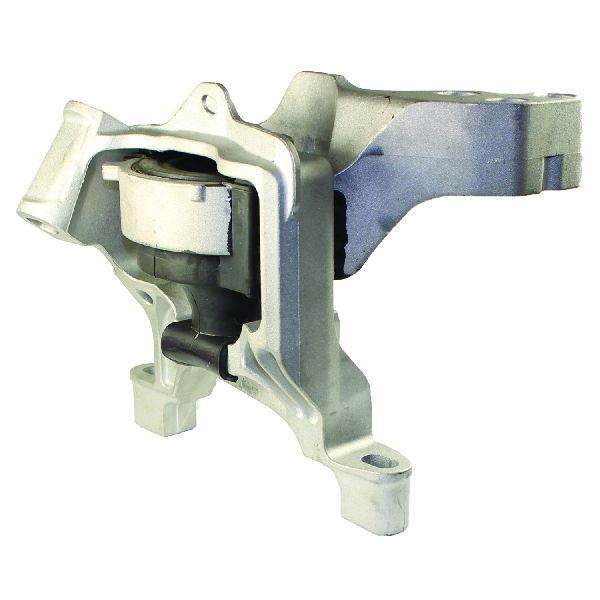
A common complaint for 2015-2019 Mazda 3 owners is a noticeable vibration felt in the seats and steering wheel, especially when the car is stopped in Drive or Reverse. This issue often points directly to a failed passenger-side engine mount. This specific mount is hydraulic (fluid-filled) and is known to wear out, leak its fluid, and collapse. When it fails, it can no longer absorb the engine's vibrations properly.
Common Symptoms of a Bad Engine Mount

- Vibration at Idle: The most common sign is a rough or vibrating feeling when the car is stopped with the engine running, particularly when in gear.
- Clunking or Thumping Noises: You might hear a clunk when you accelerate, decelerate, or shift gears as the engine moves more than it should.
- Visible Engine Movement: If you open the hood and have a helper shift the car from Park to Drive (with the brake held firmly), you may see the engine lurch or rock excessively.
Known Issue: Passenger-Side Mount Failures & TSB
Mazda has acknowledged this issue. Technical Service Bulletin (TSB) 01-017/19 was issued for 2014-2018 Mazda 3 models with the 2.0L engine. It notes that high ambient temperatures can cause the rubber inside the passenger-side (No. 3) mount to degrade, leading to vibration. Mazda has since created a modified replacement part to address this problem. There are no safety recalls for this specific issue.
Choosing the Right Aftermarket Engine Mount

When replacing a failed mount, you have a choice between OEM and various aftermarket brands. For this specific part on the Mazda 3, the choice matters.
OEM vs. Aftermarket
While the original factory mount is prone to failure, the replacement OEM part from a Mazda dealer is an updated design intended to be more durable. Many owners and mechanics recommend using the new OEM part to restore the original smooth ride. Aftermarket mounts can be cheaper, but quality varies significantly. Low-cost aftermarket hydraulic mounts for this car have a reputation for causing even more vibration than the worn-out original or failing very quickly.
Brand Quality Tiers:
- Premium Choice (Recommended): Genuine Mazda OEM replacement mount. This will provide the best performance and vibration damping, as it's the revised part designed to fix the original flaw.
- Good Value Aftermarket: Brands like Pioneer are sometimes seen as higher-quality aftermarket options that aim to replicate OEM performance.
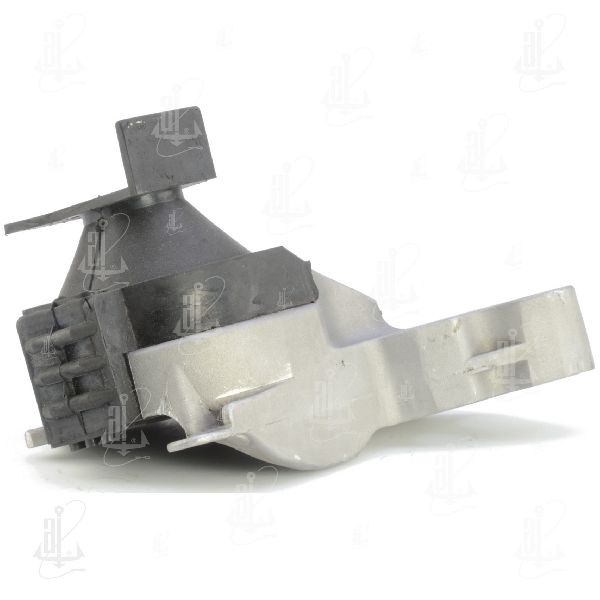
- Economy Brands (Use with Caution): Brands like Anchor and DEA are budget-friendly options. However, forum discussions frequently warn that for the main hydraulic mount on a Mazda 3, these brands can lead to unsatisfactory results with persistent vibrations. They may be acceptable for the less critical rear or transmission mounts, but are a gamble for the passenger-side mount.
Pro Tip: When one mount fails, especially the main passenger-side mount, it puts extra stress on the others. It's a good idea to inspect the transmission mount and the rear torque strut mount at the same time and replace them if they show signs of cracking or excessive wear.
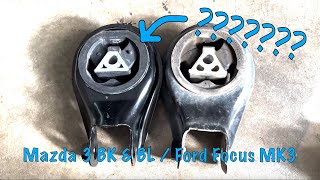
🎬 See how to easily replace the rear torque strut mount.Replacement Cost for a 2015-2019 Mazda 3 Engine Mount
The cost to replace the most common failure—the passenger-side mount—can vary. The part itself is the biggest factor in the price difference.
| Part Type | Estimated Part Cost |
|---|---|
| New Aftermarket (Economy) | $83 - $120 |
| New Aftermarket (Premium) | $121 - $179 |
| New OEM (Mazda Dealer) | $250 - $350 |
| Shop Labor | $150 - $350 |
Frequently Asked Questions (FAQ)
Is it difficult to replace a Mazda 3 engine mount myself?
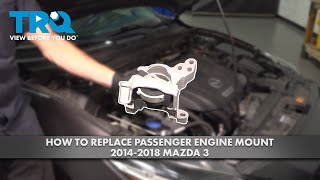
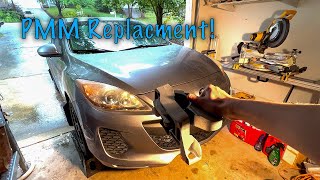
Replacing the passenger-side mount is considered a manageable DIY job for those with the right tools. It typically takes 1-2 hours. The process involves supporting the engine from underneath with a floor jack and a block of wood, removing a few components like the coolant reservoir for access, and then unbolting the old mount and installing the new one. 🎬 Watch this step-by-step guide to replacing the passenger-side mount. The rear mount is also fairly simple, while the transmission mount is more involved as it requires removing the battery and battery tray.
🎬 Follow this walkthrough for the more involved transmission mount replacement.Should I replace all three mounts at once?
You don't have to, but it's a good idea. A single failed mount puts more strain on the remaining ones, which can cause them to fail sooner. If you are paying for labor, it can be more cost-effective to replace them all at the same time.
Why did my original Mazda mount fail?
The original passenger-side hydraulic mount on many 2014-2018 models was susceptible to failure, especially in high-heat conditions, as noted in a Mazda TSB. The internal rubber components would break down, causing the hydraulic fluid to leak out and the mount to collapse.
Will an aftermarket mount make my car vibrate more?
It might. This is a common complaint with economy-tier aftermarket mounts. They often use harder rubber or less effective hydraulic systems compared to the OEM part, which can transmit more engine vibration into the car's cabin. For the smoothest result, the updated OEM mount is the safest bet.
Helpful Videos
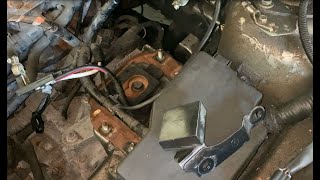
![[HD 1080p] How to Replace Mazda 3 Rear Engine Mount](https://img.youtube.com/vi/0FpS6XUqsKs/mqdefault.jpg)
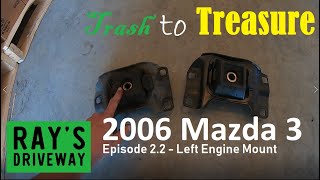
![[HD 1080p] How to Replace Mazda 3 Transmission Mount](https://img.youtube.com/vi/CDnI3B3FDB8/mqdefault.jpg)
Technical Specifications
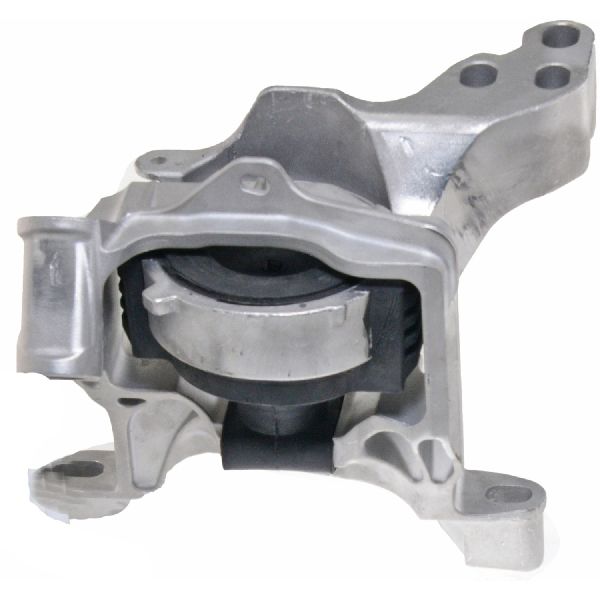
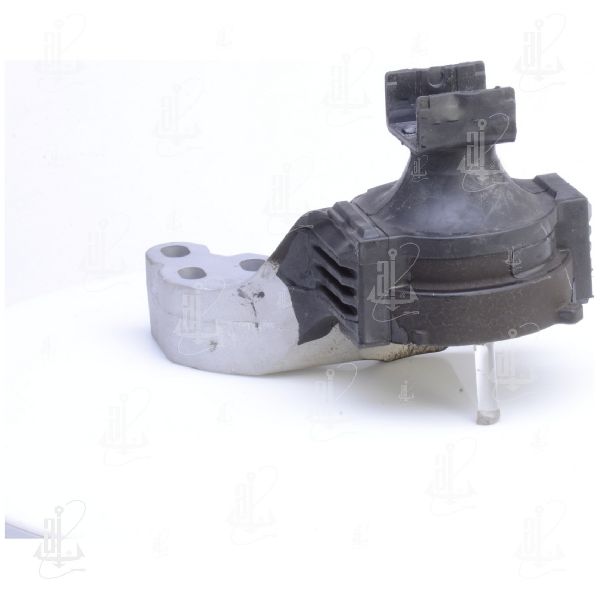
OEM Part Numbers: BPM9-39-060D BCKA-39-040B BDY0-39-060 BBM5-39-070C
The system consists of three main mounts: a hydraulic passenger-side mount (No. 3), a driver-side transmission mount (No. 1), and a rear torque strut mount (No. 4). The passenger-side mount is the most common failure point. Relevant TSBs: 01-017/19, 0101216.
We Have This Part in Stock


The information in this article is provided for general reference and educational purposes only. Vehicle specifications, procedures, and part compatibility can vary by production date, trim level, and region. Always consult your vehicle's factory service manual and verify part numbers before purchasing or performing repairs. Safety-critical components such as airbags, seat belts, and braking systems should be installed by a qualified professional.
- Mazda 3: