

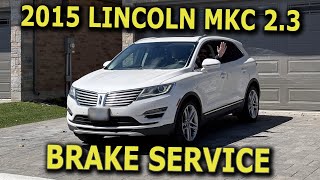
A Guide to Replacing Disc Brake Pads on Your 2015-2019 Lincoln MKC
Stop the noise and confusion by choosing the right brake pads for your Lincoln MKC's specific needs.
- The rear brakes require putting the Electronic Parking Brake (EPB) into a special 'Service Mode' before replacement to avoid damaging the calipers.
- For most drivers, aftermarket ceramic pads from OEM-quality brands like Akebono, Bosch, or Raybestos offer the best balance of quiet performance and low dust.
- Always replace brake rotors at the same time as the pads for the best performance and to prevent noise and vibration issues.
- Common symptoms of failure include high-pitched squealing, grinding noises, and a pulsating brake pedal.
Symptoms of Worn Brake Pads on a Lincoln MKC


Noticing changes in your car's braking is the first sign you might need new pads. Worn pads can't create the friction needed to stop your vehicle effectively. Pay attention to these common warning signs:
- Squealing or Grinding Noises: A high-pitched squeal when you brake is often the sound of the built-in wear indicator, a small metal tab telling you the pads are low. If you hear a grinding sound, it means the pads are completely worn out, and metal is grinding against metal, which can damage your brake rotors.
- Vibration in the Pedal or Steering Wheel: If you feel a shaking or pulsing when you apply the brakes, it could be caused by unevenly worn pads or warped brake rotors.
- Longer Stopping Distances: If your MKC is taking longer to stop than it used to, your brake pads may be too worn to provide enough friction.
- Brake Warning Light: An illuminated brake warning light on your dashboard is a clear signal to have your brake system inspected immediately.
Important: Electronic Parking Brake (EPB)
Your 2015-2019 Lincoln MKC is equipped with an Electronic Parking Brake (EPB) on the rear wheels. You cannot simply push the rear caliper pistons back like on older cars. You MUST put the system into "Brake Maintenance Mode" or "Service Mode" before starting a rear brake job to retract the electronic actuator. Failure to do this can cause serious damage to the rear brake calipers. The procedure involves a specific sequence of pressing the accelerator pedal and the EPB switch.
Choosing the Right Aftermarket Brake Pads

The original pads on your Lincoln MKC are made by Motorcraft, Ford's OEM parts brand. These are typically ceramic pads designed for quiet operation and low dust. When shopping for aftermarket pads, you have several options that can match or even change your vehicle's braking characteristics.
Pad Material Types:
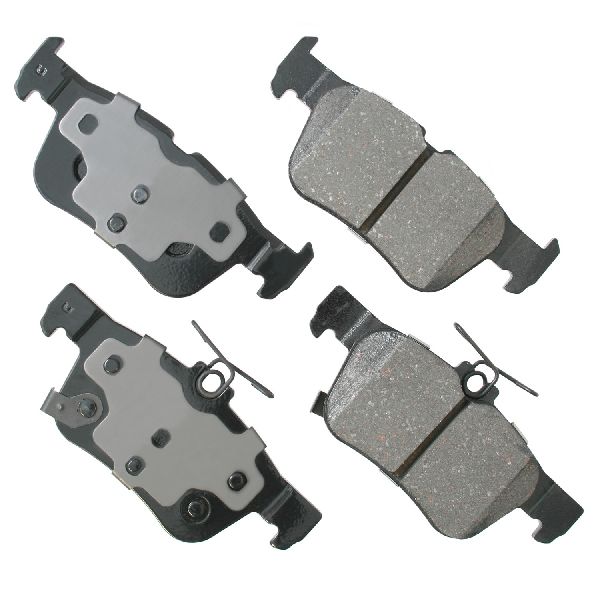
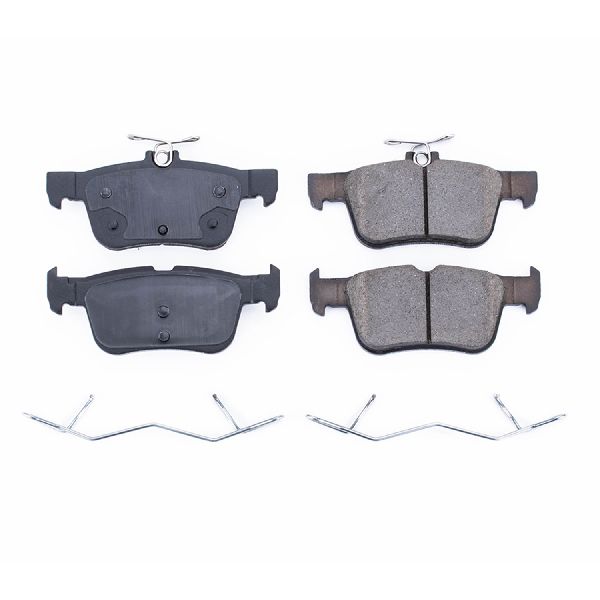
- Ceramic Pads: These are a great choice for most MKC owners. They are known for being very quiet, producing minimal brake dust to keep your wheels clean, and offering a smooth pedal feel. Brands like Akebono, Bosch, and PowerStop's Z17 Evolution line offer quality ceramic options.
- Semi-Metallic Pads: These pads contain metal fibers, which help with heat dissipation and provide a stronger "bite." They are good for drivers who want more aggressive stopping power but can be noisier and produce more dust than ceramic pads.
Brand Tiers for Your MKC:
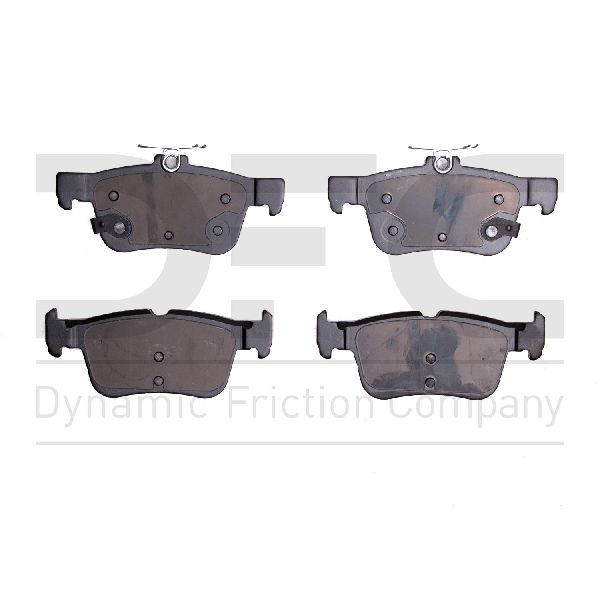
- Economy Brands (Pronto, Dynamic Friction): These pads meet basic safety requirements and are the most affordable. They are a functional choice for drivers on a tight budget, but may not offer the same quietness or low-dust performance as higher-tier options.
- OEM-Quality Brands (Motorcraft, Akebono, Bosch, Raybestos): These brands aim to match or exceed the performance of the original factory pads. They provide a balance of quiet operation, good stopping power, and longevity. Many owners report positive experiences with Raybestos Element 3 pads on similar Ford/Lincoln vehicles.
- Performance Brands (Hawk, EBC Brakes, PowerStop Z23/Z26): For drivers seeking improved stopping power and heat resistance, these brands offer performance-oriented compounds. They provide a noticeable increase in braking performance but may come with trade-offs like more dust and potential for noise if not bedded-in properly.
Pro Tip: Bedding In Your New Brakes
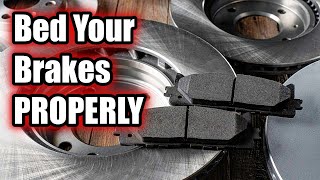
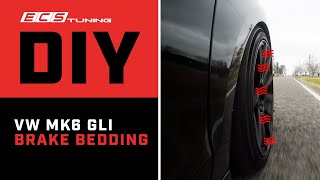
After installing new brake pads and rotors, it's important to "bed them in." This process transfers a thin, even layer of friction material from the pads to the rotors, ensuring smooth, quiet, and powerful braking. The procedure typically involves several moderate-to-firm stops from around 40-50 mph without coming to a complete stop, followed by a cool-down period. Always follow the specific instructions provided by the pad manufacturer.
🎬 Watch this guide to bedding in your brakes properly.Known Issues, Recalls, and TSBs
While there are no recalls specifically for the brake pads on the 2015-2019 Lincoln MKC, there are a few related items to be aware of:
- Recall 18S04: A small number of 2018 MKC models were recalled for incorrect front brake hoses that could chafe and leak fluid, increasing stopping distance.
- Recall 20S31: Some 2015 MKC models were part of a recall for a brake master cylinder that could leak fluid into the brake booster, reducing front brake function.
- TSB SSM 46132: A technical service bulletin was issued for some 2015-2017 models where the SYNC system could incorrectly generate a Vehicle Health Report about a brake system warning light.
Frequently Asked Questions (FAQ)

Do I need to replace my rotors with my brake pads?
It is highly recommended. While rotors can sometimes be resurfaced if they are within thickness specifications, installing new pads on a worn or uneven rotor surface can cause noise, vibration, and reduced pad life. For best results, replace pads and rotors at the same time.
What's the difference between front and rear brake pads on the MKC?
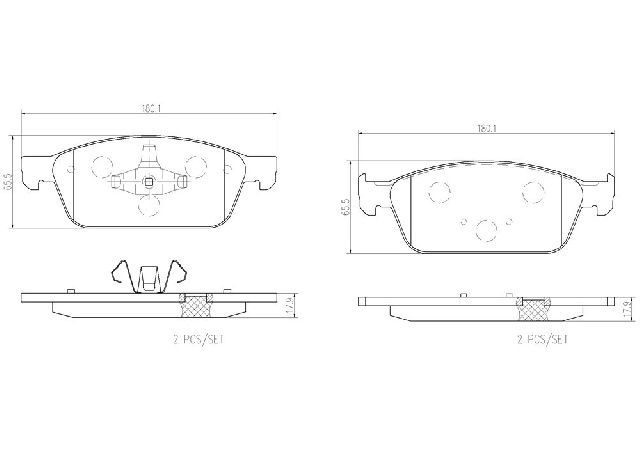
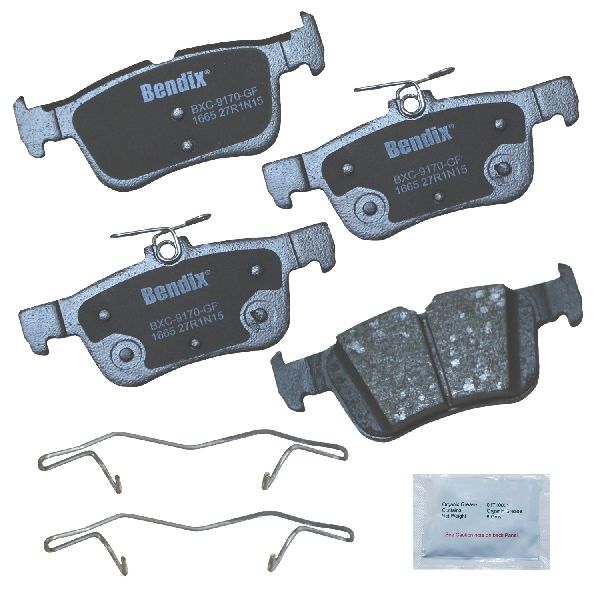
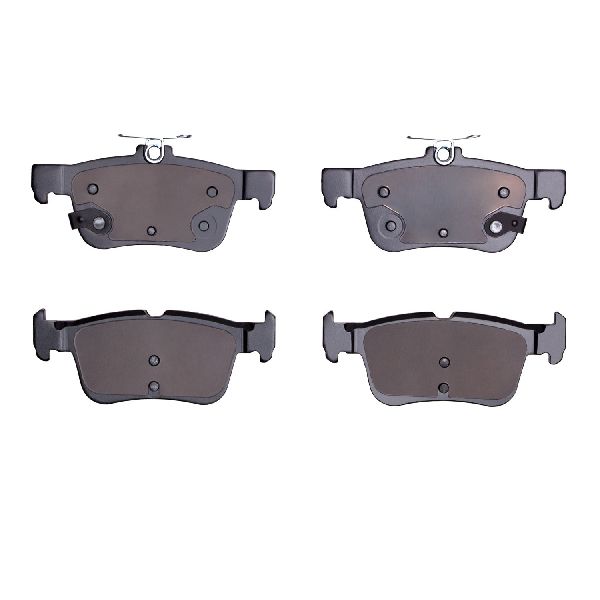
Front and rear brake pads are different shapes and sizes and are not interchangeable. The rear pads also have a specific design to work with the electronic parking brake caliper. The inner rear pad often has a spring clip that attaches to the caliper piston.
Can I change the brake pads on my Lincoln MKC myself?
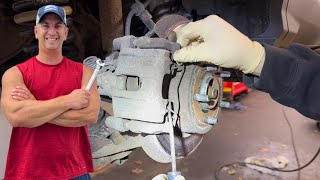
Yes, this is a feasible DIY job for someone with mechanical experience. However, due to the critical safety nature of brakes and the requirement to put the electronic parking brake into service mode, beginners should consider professional installation.
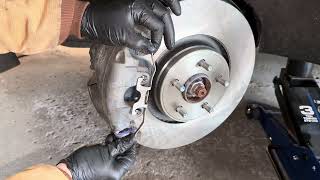
🎬 Watch this complete front and rear brake replacement walkthrough.Why are my new brakes squeaking?
New brakes can sometimes squeak during the first few hundred miles as they bed in. This can also be caused by not cleaning and lubricating the caliper hardware correctly during installation or installing new pads on old, un-surfaced rotors. If the noise persists, have the installation checked.
Helpful Videos


Technical Specifications
OEM Part Numbers: BT4Z2001B
The 2015-2019 Lincoln MKC uses disc brakes on all four wheels. The rear axle is equipped with an Electronic Parking Brake (EPB) system that requires a specific deactivation procedure for service.
We Have This Part in Stock

The information in this article is provided for general reference and educational purposes only. Vehicle specifications, procedures, and part compatibility can vary by production date, trim level, and region. Always consult your vehicle's factory service manual and verify part numbers before purchasing or performing repairs. Safety-critical components such as airbags, seat belts, and braking systems should be installed by a qualified professional.
- Lincoln MKC: