

Ford Escape Starter Motor Guide (2015-2019)
Is your 2015-2019 Ford Escape having trouble starting? This guide covers common starter problems and solutions.
- A single click or slow crank are classic signs of a failing starter, but always test the battery first.
- Replacement is moderately difficult due to tight access at the front of the engine.
- Motorcraft (OEM) offers guaranteed fit, while quality aftermarket brands like MPA provide a cost-effective alternative.
- No specific starter recalls exist, but check fuses and relays before assuming the starter has failed.
Is Your Ford Escape Refusing to Start?


A no-start situation is frustrating, but it doesn't always mean a complicated or expensive repair. For 2015-2019 Ford Escapes, the starting issue often points to one of a few key components: the battery, the starter relay, or the starter motor itself. Before assuming the worst, it's important to recognize the specific symptoms your vehicle is showing.
Symptoms of a Failing Starter Motor
When a starter begins to fail, it gives you warnings. Paying attention to these signs can help you address the problem before you're left stranded.
- Single, Sharp Click: You turn the key, and all you hear is one loud click from the engine bay. This often means the starter solenoid is engaging, but the motor itself isn't turning.
- Slow or Weak Crank: The engine turns over, but it sounds sluggish and weak, as if the battery is dying. While this can be a battery issue, a failing starter can also struggle to spin the engine with enough force.
- No Sound at All: You turn the key and get complete silence. After checking the battery, the starter motor becomes a primary suspect.
- Grinding or Whirring Noise: If you hear a grinding sound during or after the engine starts, it could be the starter gear failing to disengage from the flywheel properly.
Don't Mistake It for a Bad Battery
Many starter problems mimic a dead or weak battery. Always check your battery first. Ensure the terminals are clean and tight, and have the battery tested if possible. A simple jump-start can often tell you if the battery is the true culprit.
Choosing the Right Aftermarket Starter

When it's time for a replacement, you'll face a choice between OEM (Original Equipment Manufacturer) and aftermarket parts. For the 2015-2019 Ford Escape, both are viable options with different benefits.
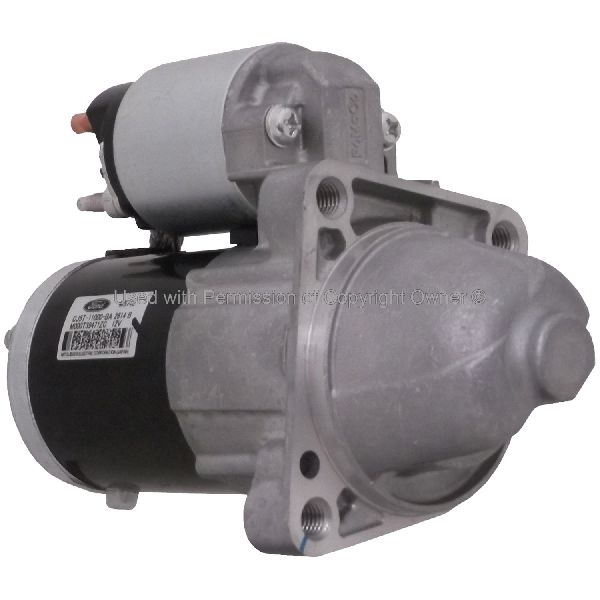
- Motorcraft (OEM): Motorcraft is Ford's official parts brand. Choosing a Motorcraft starter, whether new or remanufactured, guarantees a perfect fit and performance that meets Ford's original specifications. While they often have a higher initial cost, their quality and reliability are trusted for warranty repairs and by many mechanics.
- MPA (Aftermarket): Brands like MPA (Motor Parts of America) offer a quality alternative to OEM. These parts are designed to meet or exceed original specifications and are often more affordable. Aftermarket starters are a popular choice for out-of-warranty repairs, providing a balance of cost and performance.
New vs. Remanufactured
A "new" aftermarket starter is built from all-new components. A "remanufactured" starter has been completely disassembled, cleaned, and rebuilt with new wear-and-tear components like brushes and bearings. High-quality remanufactured units from reputable brands like Bosch or Motorcraft can be just as reliable as new ones and are often a cost-effective choice.
Known Issues, Recalls, and TSBs
While there are no widespread, official recalls specifically for the starter motor on the 2015-2019 Ford Escape, some related issues are worth noting. Some owners report intermittent no-start conditions that can be traced to fuses or relays in the battery junction box rather than 🎬 Watch: How to find your starter fuse and relay location the starter itself. It's always wise to check these simpler components before replacing the entire starter motor. No specific Technical Service Bulletins (TSBs) for starter motor failure were found for this model range.
Cost of Replacing a Ford Escape Starter

The cost can vary based on your engine (1.5L, 2.0L, or 2.5L), the part you choose, and labor rates in your area. The starter is located in a tight spot at the front of the engine where it meets the transmission, 🎬 See this step-by-step guide for replacing the 2.0L starter making replacement moderately difficult.
| Item | Estimated Cost |
|---|---|
| New Aftermarket Starter | $130 - $250 |
| Remanufactured Motorcraft Starter | $200 - $450 (plus core charge) |
| Shop Labor | $150 - $300 |
| Total Estimated Cost | $280 - $750 |
Frequently Asked Questions
How hard is it to replace the starter on a 2015-2019 Escape?
It's a moderately difficult job. The starter is in a tight space, requiring the removal of air intake hoses and potentially working from both the top and bottom of the vehicle. It typically takes a professional 1-2 hours. While a DIY replacement is possible for an experienced home mechanic, it can be challenging due to limited access.
🎬 Watch: A helpful walkthrough for removing the 1.5L starter motorCan I drive my Escape with a failing starter?
It's not recommended. A failing starter is unreliable. You risk being stranded the next time you try to start the car, as it could fail completely without warning.
Why does my car just click once when I try to start it?
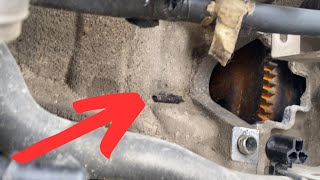
A single, loud click is a classic symptom of a starter problem. It usually means the starter's solenoid is receiving power and trying to engage, but the motor itself is failing to spin the engine. This could be due to a bad spot on the starter motor or an internal electrical failure.
Are there any recalls for the starter on the 2015-2019 Ford Escape?
No, there are no specific safety recalls from the NHTSA for the starter motor on this generation of Ford Escape. However, always check for any open recalls on your specific vehicle using your VIN on the NHTSA website.
Helpful Videos
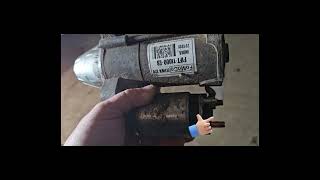
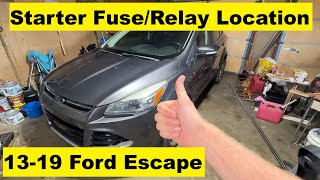
Technical Specifications
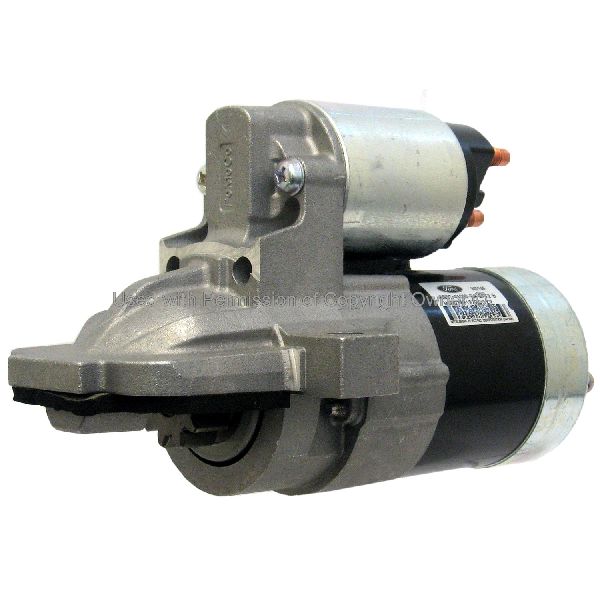
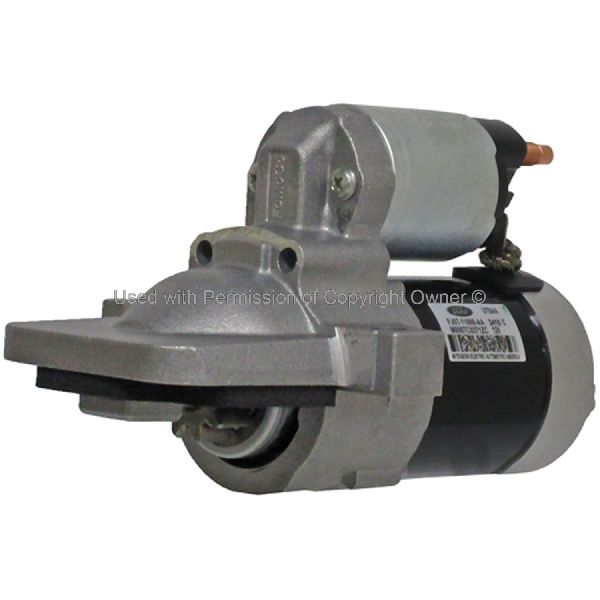
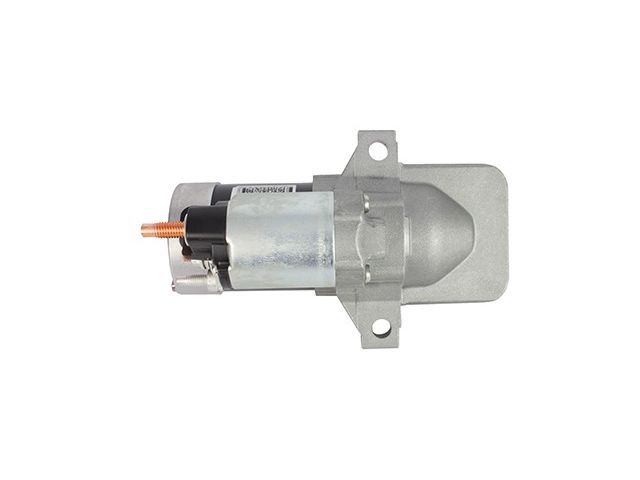
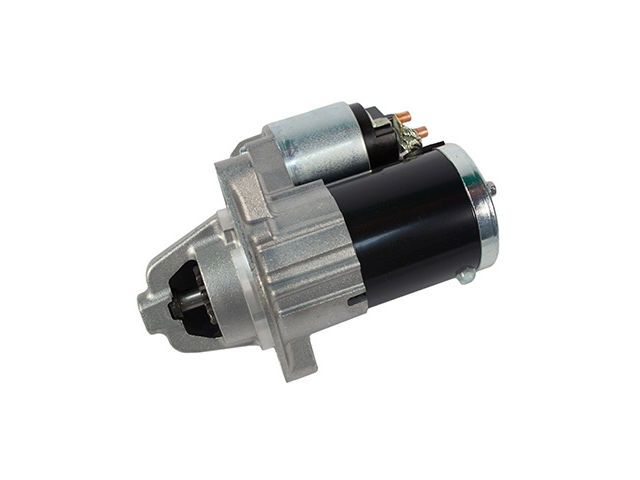
OEM Part Numbers: F1FZ-11002-A F1FT-11000-EB
Voltage: 12V, Rotation: Clockwise, Teeth: 11
We Have This Part in Stock


The information in this article is provided for general reference and educational purposes only. Vehicle specifications, procedures, and part compatibility can vary by production date, trim level, and region. Always consult your vehicle's factory service manual and verify part numbers before purchasing or performing repairs. Safety-critical components such as airbags, seat belts, and braking systems should be installed by a qualified professional.
- Ford Escape: