

A Guide to the Automatic Transmission Mount for the 2015-2019 Chevrolet Silverado 1500
If you're feeling a new vibration or hearing a clunk in your Silverado, the transmission mount could be the culprit.
- A clunk when shifting into gear or a new vibration at idle are the most common signs of a failing transmission mount.
- This issue is different from the notorious 'Chevy Shake,' which is a torque converter shudder felt at highway speeds.
- While aftermarket mounts are much cheaper, OEM parts generally offer better quality and longevity for this specific component.
- Always inspect the engine mounts when replacing the transmission mount, as they wear out together and cause similar symptoms.
Is Your Silverado's Transmission Mount Failing?

A failing transmission mount on the 2015-2019 Silverado 1500 will make its presence known through new noises and vibrations. Because this part's job is to absorb vibration, you'll feel and hear the results when it stops working correctly. The most common signs are easy to spot if you know what to look for.
🎬 Watch: 5 common signs of a bad transmission mountKey Symptoms of a Bad Transmission Mount:
- Clunking or Banging Noises: The most common sign is a distinct "clunk" or "bang" when you shift from Park into Drive or Reverse. You might also hear this noise during hard acceleration or sudden braking as the transmission shifts its weight.
- Excessive Vibrations: You may feel a new, persistent vibration through the floor, seats, or steering wheel. This is often most noticeable when the truck is stopped at a light while in Drive, but it can also be felt during acceleration.
- Drivetrain Movement: A completely failed mount can allow the transmission to move excessively. A mechanic can check this by prying between the transmission and the crossmember to see if there is too much play.
Is it the Mount or the 'Chevy Shake'?
Many Silverado owners are aware of a vibration issue often called the "Chevy Shake." This is typically a shuddering feeling, like driving over rumble strips, that occurs at highway speeds. This issue is related to the torque converter and has several Technical Service Bulletins (TSBs) from GM. A bad mount causes a more direct vibration or a hard clunk, which are different symptoms. It's important to distinguish between the two to get the right repair.
Choosing the Right Aftermarket Mount

When replacing the transmission mount, you have a choice between original equipment (OEM) and aftermarket parts. For a part like this, the quality of the rubber makes a big difference in both ride quality and lifespan.
- OEM Mounts: A genuine GM mount is engineered with a specific rubber hardness (durometer) to balance durability and vibration absorption perfectly for your truck. It's the safest bet for a long-lasting, smooth-feeling repair.
- Aftermarket Mounts: Brands like Anchor, DEA, and Westar offer a much more affordable option. However, forum discussions suggest that the quality can be inconsistent. Some aftermarket mounts may use harder rubber that transmits more vibration into the cabin, or softer rubber that fails prematurely. Given the relatively low cost of labor for this job, spending more on a quality part can prevent you from having to do the repair again soon.
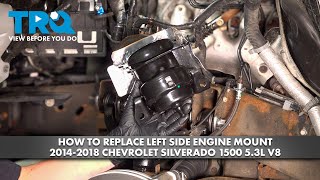
Pro Tip: While you're replacing the transmission mount, it's a perfect time to inspect your two engine mounts. The engine and transmission mounts work together as a system. A bad transmission mount puts extra stress on the engine mounts, and vice-versa. The engine mounts on these trucks are also a known wear item.
🎬 Watch: How to replace the motor mounts on your SilveradoCost to Replace a Silverado 1500 Transmission Mount

The cost for this repair is reasonable, as it's a straightforward job for a mechanic. The biggest variable is the price of the part you choose.
| Part/Service | Estimated Cost |
|---|---|
| New Aftermarket Part | $12 - $71 |
| New OEM Part | $120 - $194 |
| Shop Labor | $84 - $123 |
| Total Professional Replacement | $193 - $233 (using an aftermarket part) |
Frequently Asked Questions

Can I drive my Silverado with a bad transmission mount?
It is not recommended for long distances. While the truck is likely drivable to a repair shop, a completely failed mount can allow for excessive movement that could damage other components like the driveshaft, exhaust, or wiring. It's best to get it fixed promptly.
Is replacing the transmission mount a DIY job?
Yes, for a moderately experienced DIYer. The job requires safely supporting the vehicle on jack stands, supporting the transmission with a floor jack, and using basic hand tools like sockets and wrenches. Unlike the engine mounts on this truck, access is relatively easy.
🎬 See this walkthrough on how to install the new mountWill a new transmission mount fix the vibration I feel at idle in Drive?
It might. A collapsed transmission mount can cause this symptom. However, a very similar vibration is a known issue with the *engine mounts* on these trucks, addressed by GM in TSB 17-NA-166. It's critical to inspect all three mounts (two engine, one transmission) to correctly diagnose the source of the vibration.
Do I need a wheel alignment after replacing the transmission mount?
No. Replacing the transmission mount does not affect your vehicle's steering or suspension geometry, so a wheel alignment is not necessary.
Helpful Videos
Technical Specifications
OEM Part Numbers: 23134733 23277116 85579396
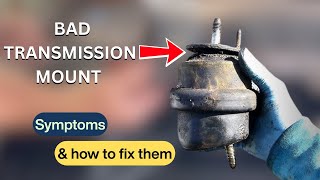
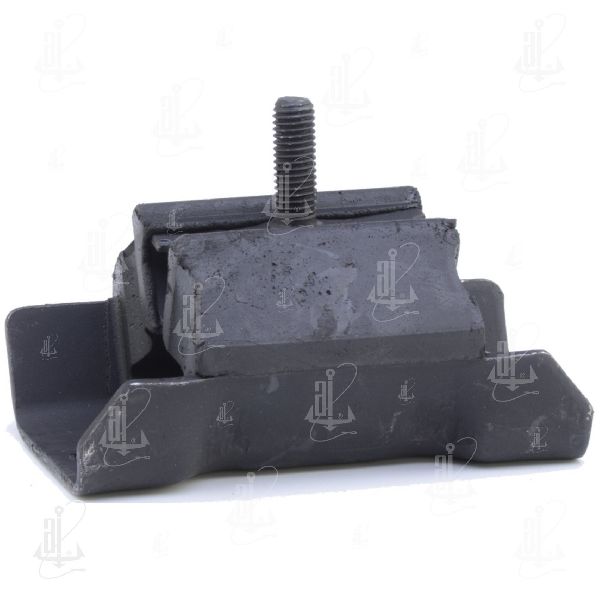
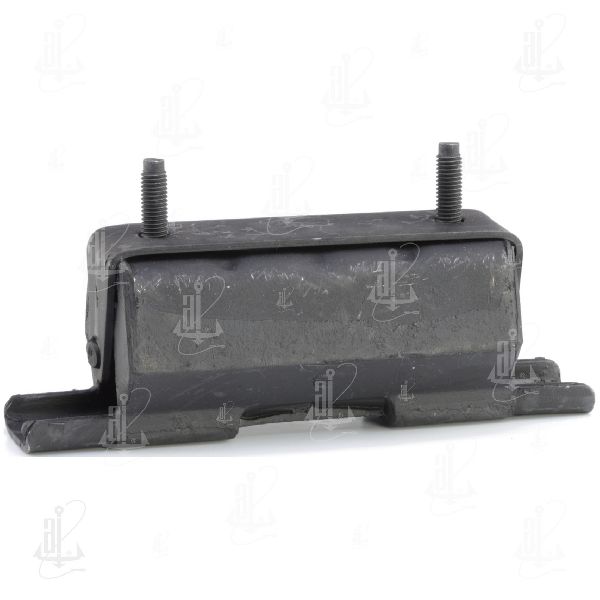
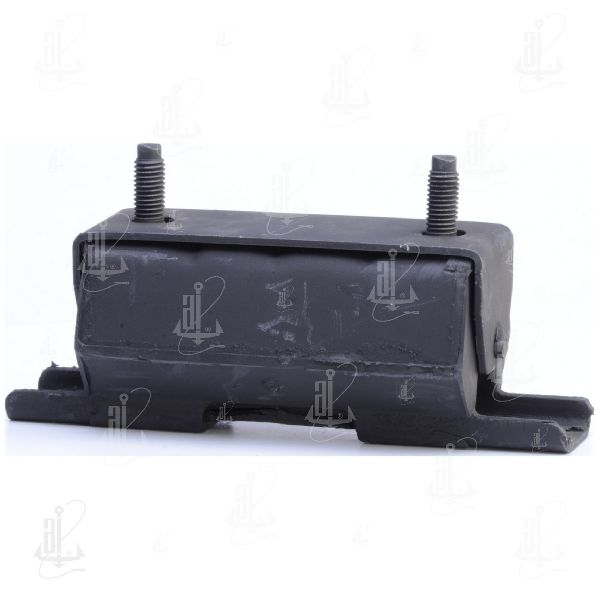
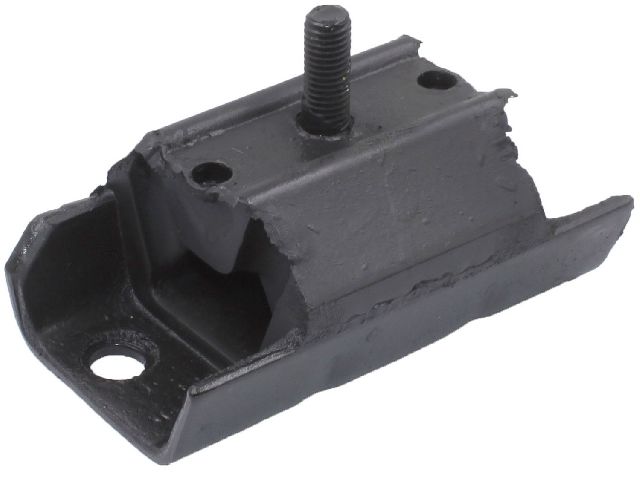
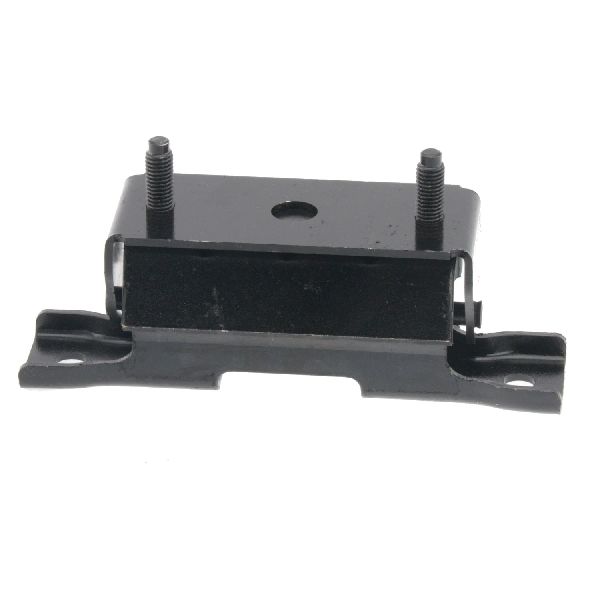
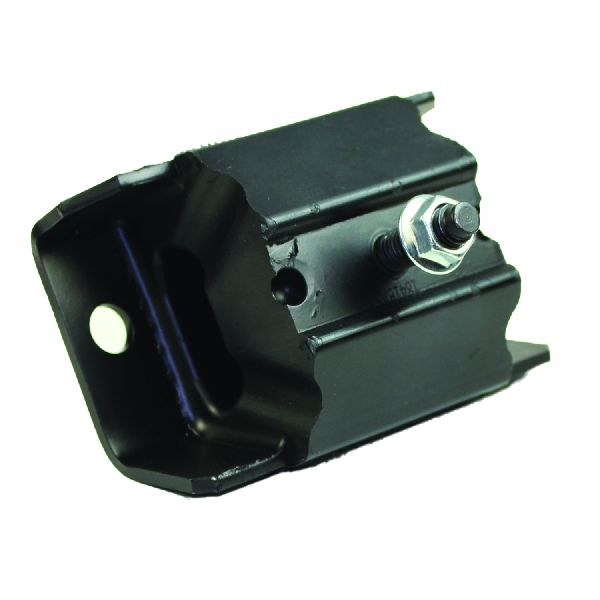
The mount consists of a metal frame with a bonded rubber insulator designed to bolt between the transmission housing and the frame's crossmember.
We Have This Part in Stock

The information in this article is provided for general reference and educational purposes only. Vehicle specifications, procedures, and part compatibility can vary by production date, trim level, and region. Always consult your vehicle's factory service manual and verify part numbers before purchasing or performing repairs. Safety-critical components such as airbags, seat belts, and braking systems should be installed by a qualified professional.
- Chevrolet Silverado 1500: