

Nissan Sentra Oxygen Sensor Guide: 2014-2024 Models
A complete guide to understanding, diagnosing, and replacing the oxygen sensors in your 2014-2024 Nissan Sentra.
- Your Sentra has two main oxygen sensors; the upstream (Air/Fuel) sensor affects performance, while the downstream sensor monitors emissions.
- For best results, choose a direct-fit sensor from an OEM brand like Denso or NGK/NTK.
- Ignoring a bad oxygen sensor can lead to poor fuel economy, rough running, and eventually, very expensive catalytic converter damage.
- If you own a 2013-2016 Sentra, you may be covered by an extended warranty for the rear oxygen sensor due to a known issue.
Understanding Your Sentra's Oxygen Sensors

A failing oxygen (O2) sensor can cause more than just a Check Engine Light. It can lead to poor fuel mileage, a rough-running engine, and even expensive damage to your catalytic converter over time. Your Sentra has two main O2 sensors that work together:
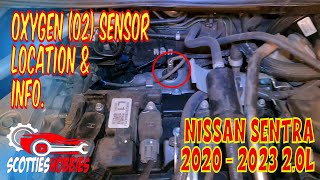
- Upstream Sensor (Sensor 1): This is the most important sensor for engine performance. Located in the exhaust manifold before the catalytic converter, it constantly measures the air-to-fuel ratio. It is also called an Air/Fuel Ratio Sensor. A bad upstream sensor will directly impact your fuel economy and how the engine runs.
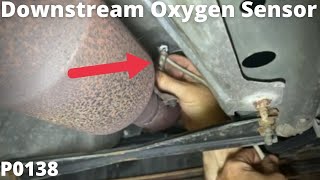
- Downstream Sensor (Sensor 2): Located after the catalytic converter, this sensor's job is to monitor the converter's efficiency. If this sensor fails, it won't usually cause immediate driving problems, but it will trigger a Check Engine Light and you will fail an emissions test.
Common Symptoms of a Bad Oxygen Sensor

When an O2 sensor starts to fail, your Sentra will give you several warning signs. The most obvious is the Check Engine Light, but you might also notice:
- Decreased Fuel Economy: One of the most common signs is needing to fill up your gas tank more often.
- Rough Idle or Engine Hesitation: Your engine may run unevenly at a stop or hesitate when you accelerate.
- Rotten Egg Smell: A strong, sulfur-like smell from the exhaust can indicate a bad sensor and an incorrect fuel mixture.
- Failed Emissions Test: A bad O2 sensor is a common reason for failing a vehicle emissions inspection.
Known Issues for 2013-2016 Sentra Models
Nissan issued a Technical Service Bulletin (TSB NTB22-006) for some 2013-2016 Sentra models. The engine's computer software may not properly detect a short circuit in the rear oxygen sensor. As a result, Nissan extended the warranty for the rear oxygen sensor to 20 years or 200,000 miles for this specific issue. This allows owners to get an annual sensor voltage check at a dealership upon request.
Choosing the Right Aftermarket Oxygen Sensor

When replacing an O2 sensor, the brand you choose matters. For a Nissan Sentra, using a sensor from an Original Equipment Manufacturer (OEM) is highly recommended for the best performance and to avoid future issues. Aftermarket sensors can be a good value, but quality varies.
Tier 1: OEM & Premium Aftermarket
- Denso & NGK (NTK): Both Denso and NGK (which markets sensors under the NTK brand) are original equipment suppliers for Nissan. Choosing one of these brands is the closest you can get to the original part's quality and performance. Forum members and mechanics strongly recommend them for Nissans.
- Bosch: Bosch invented the modern oxygen sensor and is a trusted OEM supplier for many car brands. They are a solid choice, though some users in forums report mixed results with their aftermarket sensors compared to Denso or NTK on Japanese vehicles.
Tier 2: Standard Aftermarket
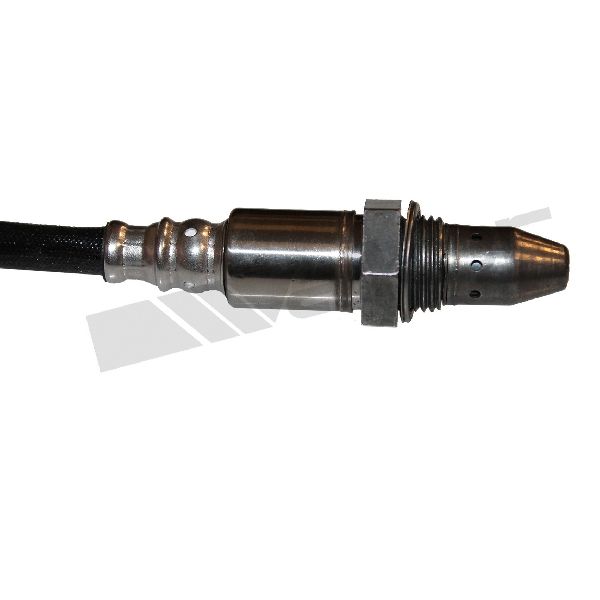
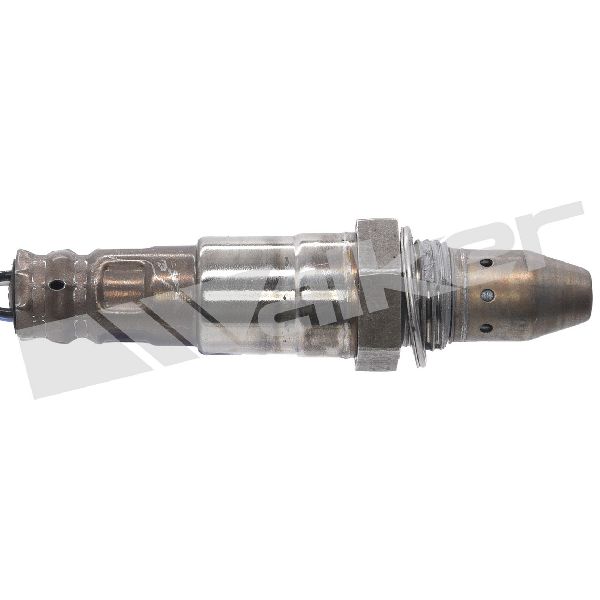
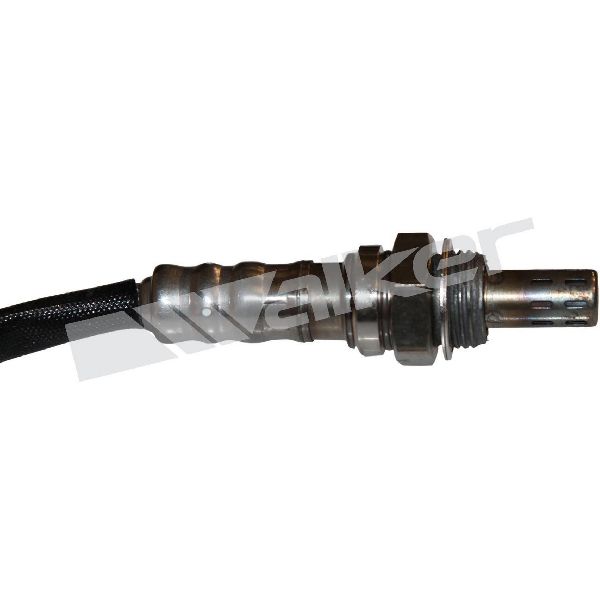
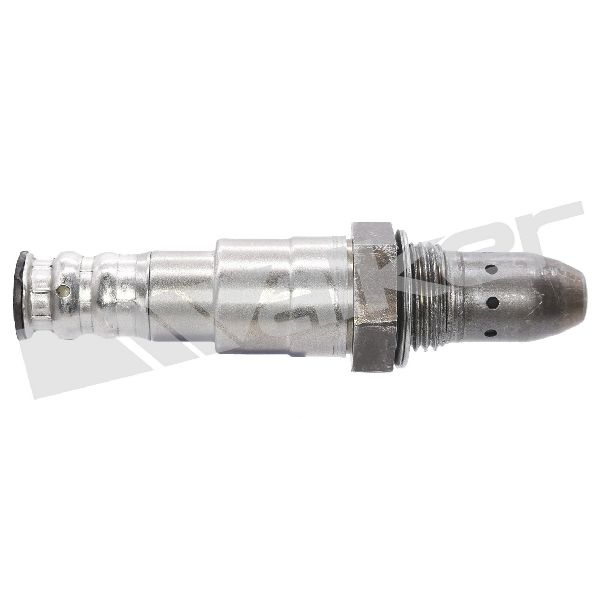
- Walker Products: Walker is a known aftermarket brand that offers a more budget-friendly option. However, some vehicle owners have reported lower quality and shorter lifespans compared to premium brands. It's best to use these with caution, especially for the critical upstream sensor.
Pro Tip: Always choose a 'direct-fit' sensor over a 'universal' one. Direct-fit sensors come with the correct plug for your Sentra and require no wire splicing, ensuring a reliable connection.
Estimated Replacement Costs
| Part Type | Estimated Cost |
|---|---|
| New OEM (Dealer) | $90 - $300 |
| New Aftermarket | $72 - $276 |
| Shop Labor | $75 - $150 |
Cost estimates are approximate and can vary by location and which sensor is being replaced (upstream sensors are often more expensive).
Frequently Asked Questions (FAQ)

Which oxygen sensor do I need to replace?
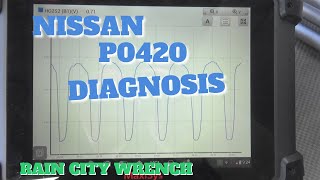
You'll need an OBD-II scanner to read the trouble code. Codes like P0130, P0131, or P0133 usually point to the upstream sensor (Sensor 1). Codes like P0137 or P0138 point to the downstream sensor (Sensor 2). A P0420 code can be caused by either a bad downstream sensor or a failing catalytic converter, so further diagnosis is needed.
Where are the oxygen sensors located on my Sentra?
The upstream (Sensor 1) is in the exhaust manifold, between the engine and the firewall. The downstream (Sensor 2) is located further down the exhaust pipe, after the catalytic converter, and is usually easier to see and access from under the car.
🎬 See how to easily swap out your downstream oxygen sensor.Can I replace an oxygen sensor myself?
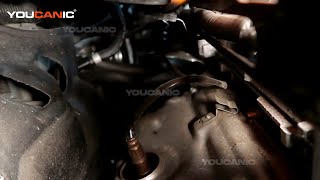
Yes, this is a DIY-friendly job for many people. You will need a special oxygen sensor socket, a ratchet, and some penetrating oil to loosen the old sensor. The downstream sensor is generally easier to replace than the upstream one, which can be in a tight space.
🎬 Watch this step-by-step guide to replacing the upstream sensor.Should I replace both sensors at the same time?
It's not always necessary, but it can be a good idea. Oxygen sensors wear out over time, so if one has failed, the other may not be far behind. Replacing them in pairs can ensure the whole system is working correctly.
Helpful Videos
Technical Specifications
OEM Part Numbers: 22693-6LB0A 226A0-6CC0B 226A0-*****
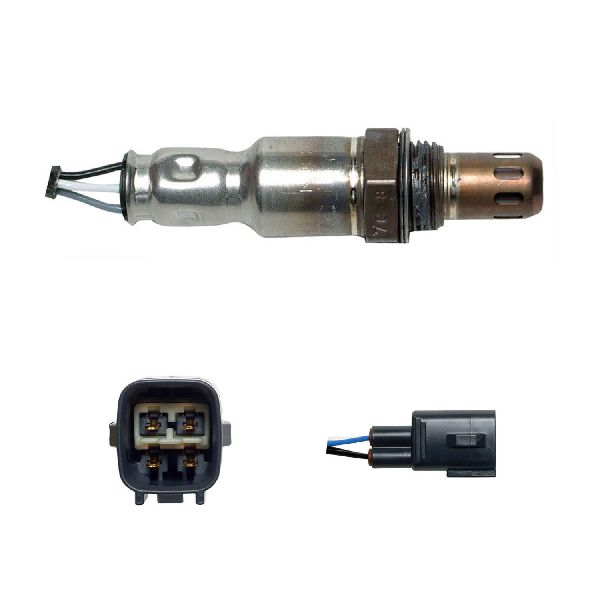
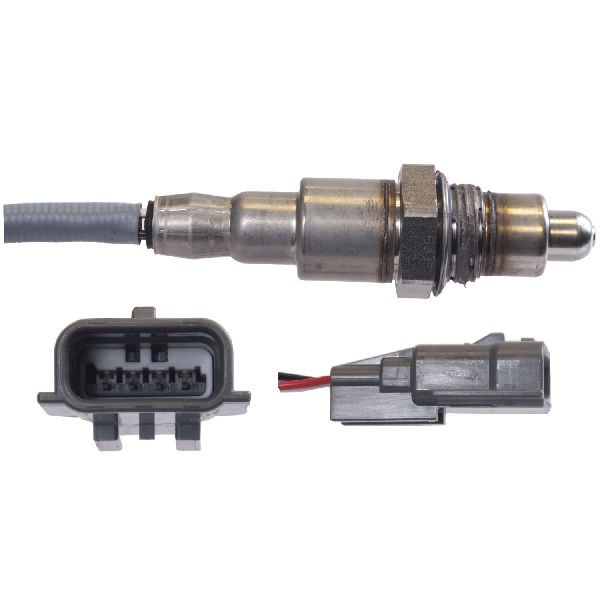
Most 2014-2024 Nissan Sentra models use a 4-wire heated oxygen sensor. The upstream sensor is an Air/Fuel Ratio (wideband) type, while the downstream is a standard (narrowband) type. Always verify the correct part for your specific year and emissions type (Federal or California).
We Have This Part in Stock

The information in this article is provided for general reference and educational purposes only. Vehicle specifications, procedures, and part compatibility can vary by production date, trim level, and region. Always consult your vehicle's factory service manual and verify part numbers before purchasing or performing repairs. Safety-critical components such as airbags, seat belts, and braking systems should be installed by a qualified professional.
- Nissan Sentra: