

Nissan Sentra Crankshaft Position Sensor: 2014-2024 Guide
Understanding common failures and choosing the right replacement crankshaft position sensor for your Sentra.
- A failing crankshaft sensor is a common issue that causes stalling, no-start, and a P0335 code.
- For Nissans, using a high-quality replacement sensor from brands like Hitachi (OEM supplier), Delphi, or Standard is highly recommended over budget options.
- The replacement is a feasible DIY job for those comfortable working under the car, requiring basic tools and about an hour of time.
- There are no active recalls for this part on the 2014-2024 Sentra, but the failure symptoms are well-documented across many Nissan models.
Understanding Your Sentra's Crankshaft Position Sensor

If your Nissan Sentra is stalling, having trouble starting, or the check engine light is on, a faulty crankshaft position sensor could be the culprit. This sensor is vital for engine operation, telling the computer how fast the crankshaft is spinning and its precise location. This allows the computer to time the spark plugs and fuel injectors perfectly. When it fails, it can cause a range of problems from annoying to dangerous.
Generation & Engine Differences
The 2014-2024 Nissan Sentra spans two different generations. The 2014-2019 (B17) models typically use a 1.8L engine, while the 2020-2024 (B18) models use a 2.0L engine. The crankshaft position sensors and their locations can differ between these engines. Always verify the part number and fitment for your specific year and engine before purchasing.
Choosing an Aftermarket Crankshaft Position Sensor

When it comes to critical engine sensors on a Nissan, there's a strong debate between OEM (Original Equipment Manufacturer) and aftermarket parts. Many professional mechanics and enthusiasts recommend using the OEM part or a sensor from the original supplier (like Hitachi) for best results. Nissans can be sensitive to the electronic signals from these sensors, and a lower-quality aftermarket part might not perform correctly, leading to persistent issues. However, high-quality aftermarket brands can offer a reliable and more affordable alternative.
Brand Quality Tiers
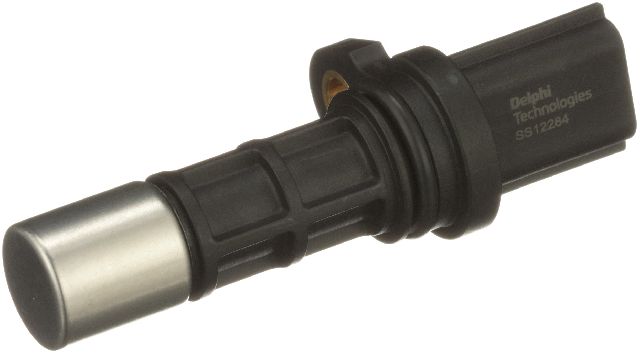
- Top Tier (OEM or OEM-Equivalent): Hitachi is often the original equipment supplier for Nissan. Choosing Hitachi is the closest you can get to the dealer part without the dealer price. Delphi is another top-tier brand known for its high-quality electronics that meet or exceed OEM standards.
- Mid Tier (Trusted Aftermarket): Brands like Standard Motor Products (SMP) and Beck Arnley offer a good balance of quality and value. They are well-regarded in the industry and are a solid choice for most repairs.
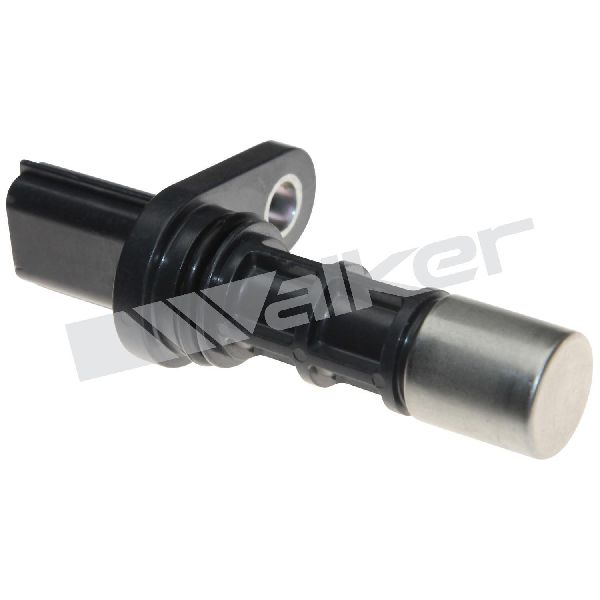
- Economy Tier (Budget-Friendly): Brands like Dorman, Walker Products, and Global Parts are budget-oriented. While they can be a viable option, especially for older vehicles, sensor quality can sometimes be inconsistent. For a critical sensor like this, it's often worth spending a bit more for a part from a higher tier.
Known Issues, Recalls, and Service Bulletins

While there are numerous recalls for older Sentra models (2002, 2005-2006) related to crankshaft position sensors causing engine stalling, there are no specific recalls for the 2014-2024 model years for this exact part. However, the symptoms described in the older recalls, such as the engine stopping without warning at low speeds, are identical to the failure symptoms seen in newer models. The most common trouble code associated with this failure is P0335 (Crankshaft Position Sensor 'A' Circuit Malfunction).
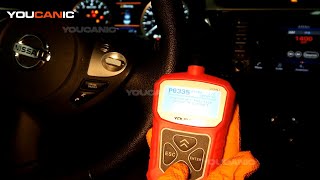
🎬 See how to properly diagnose a P0335 circuit malfunction code.Pro Tip: Cam and Crank Sensors
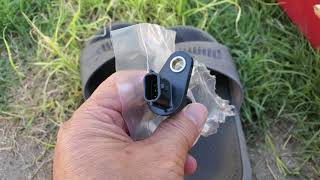
On many Nissans, the camshaft and crankshaft position sensors are physically identical parts, though they perform different functions. Some owners experiencing a P0335 code choose to swap the cam and crank sensors to see if the trouble code changes, which can help confirm a bad sensor before buying a new one. Some aftermarket kits even include both sensors.
🎬 Watch: How to replace both cam and crank sensors together.Frequently Asked Questions (FAQ)

Where is the crankshaft position sensor located on my Sentra?
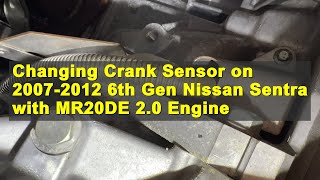
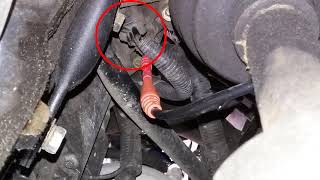
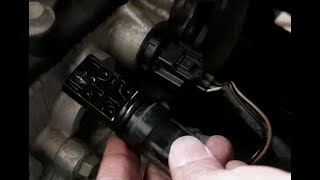
On the 2013-2019 Sentra with the 1.8L engine, the sensor is located on the lower part of the engine block, near where the engine and transmission meet. It is accessible from underneath the car after removing a small plastic splash shield. 🎬 Watch this step-by-step replacement guide for 2013-2019 Sentra models. The location is similar for the 2020-2024 2.0L engine, typically near the oil filter and starter area.
Why does my car stall when it's hot but restart after cooling down?
This is a classic symptom of a failing crankshaft position sensor. As the sensor's internal electronics heat up, they can fail, causing the signal to cut out and the engine to stall. Once the sensor cools down, it may start working again until it gets hot. This is a clear sign that the sensor needs to be replaced.
Is it better to just buy the OEM sensor from the dealer?
For maximum peace of mind, the OEM sensor is always a safe bet. However, you are paying a premium. A sensor from an OEM supplier like Hitachi or a top-tier aftermarket brand like Delphi will provide similar quality and reliability for less money. Given the sensitivity of Nissan electronics, it's generally not recommended to use the cheapest available option.
Do I need to do a 'relearn' procedure after replacing the sensor?
Generally, a specific crankshaft position relearn procedure is not required for the Nissan Sentra after simply replacing the sensor. After installing the new part, you should clear the trouble codes with a scan tool. The car should then start and run normally. A successful replacement is often confirmed by the car starting much faster than it did with the faulty sensor.
Helpful Videos

Technical Specifications
OEM Part Numbers: 23731-1KT0A 23731-1KC0A 23731-BV85A 23731-1KC0B
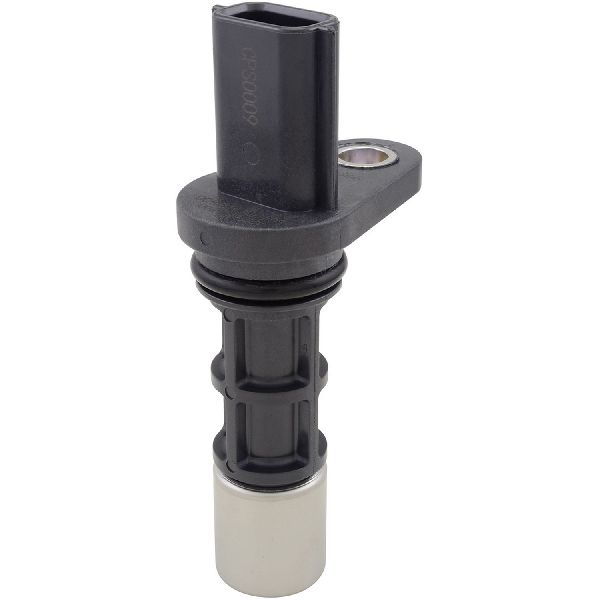
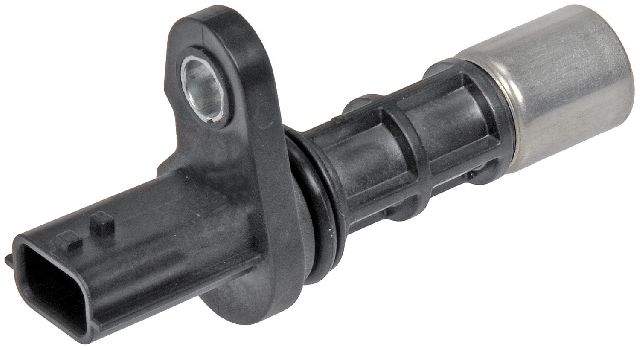
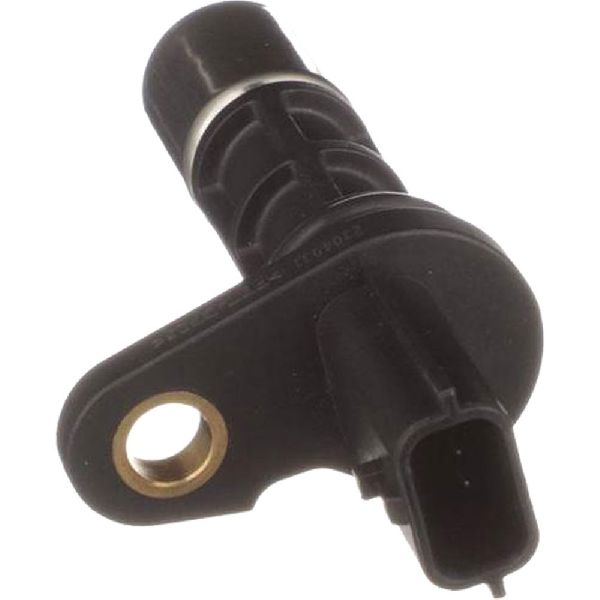
The sensor is a 3-pin Hall effect sensor. It is secured by a single 10mm bolt and sealed with a rubber O-ring.
We Have This Part in Stock


The information in this article is provided for general reference and educational purposes only. Vehicle specifications, procedures, and part compatibility can vary by production date, trim level, and region. Always consult your vehicle's factory service manual and verify part numbers before purchasing or performing repairs. Safety-critical components such as airbags, seat belts, and braking systems should be installed by a qualified professional.
- Nissan Sentra: