

Guide to Replacing Oxygen Sensors on a 2014-2024 Nissan Pathfinder
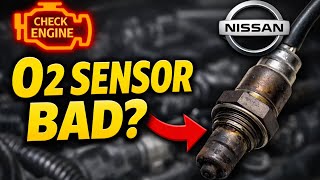
Experiencing poor fuel economy or a rough idle? Your Pathfinder's oxygen sensor could be the problem.
- Use an OEM-equivalent brand like Denso or NGK/NTK for the best reliability and performance.
- Confirm the exact sensor location (e.g., Bank 1 Upstream) before purchasing, as your Pathfinder has four sensors.
- A bad oxygen sensor will cause you to fail an emissions test and can lead to costly catalytic converter damage if ignored.
- For 2015-16 models, check if the R1620 emissions recall for an ECM software update has been performed.
Symptoms of a Failing Oxygen Sensor

A bad oxygen sensor can cause several noticeable problems in your Pathfinder. Because the sensor is vital for maintaining the correct air-fuel balance, a failure can directly impact engine performance and efficiency. Ignoring these signs can lead to more severe issues, including damage to your catalytic converters, which are much more expensive to replace.
- Check Engine Light: This is the most common indicator. Codes like P0130, P0131, P0150, or P0171 often point to a faulty oxygen sensor.
- Poor Fuel Economy: A failing sensor can cause the engine to use more fuel than necessary, leading to a noticeable drop in gas mileage.
- Rough Idle and Engine Hesitation: Your Pathfinder might idle unevenly or hesitate during acceleration due to the incorrect air-fuel mixture.
- Rotten Egg Smell: A strong sulfur or "rotten egg" smell from the exhaust can indicate that unburned fuel is overheating the catalytic converter, a problem often linked to a bad O2 sensor.
- Failed Emissions Test: A malfunctioning O2 sensor will prevent your vehicle from passing an emissions inspection.
Choosing the Right Aftermarket Oxygen Sensor

When replacing an oxygen sensor, you have a choice between Original Equipment (OEM) and aftermarket parts. For the Nissan Pathfinder, several aftermarket brands offer quality that is on par with OEM standards, often at a better price. It is crucial to identify whether you need an upstream (Air/Fuel Ratio Sensor) or a downstream (Heated Oxygen Sensor) and for which cylinder bank (Bank 1 or Bank 2).
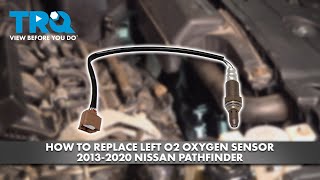
🎬 See how to replace the left upstream sensor on your Pathfinder.Brand Quality Tiers
- Top Tier (OEM-Equivalent): Brands like Denso and NGK (NTK) are often the original equipment suppliers for Nissan. Choosing these brands is the safest bet for a direct, reliable replacement that matches factory performance.
- Reliable Aftermarket: Bosch invented the oxygen sensor and is a highly reputable aftermarket choice known for quality and performance. Many owners and mechanics trust Bosch for its reliability.
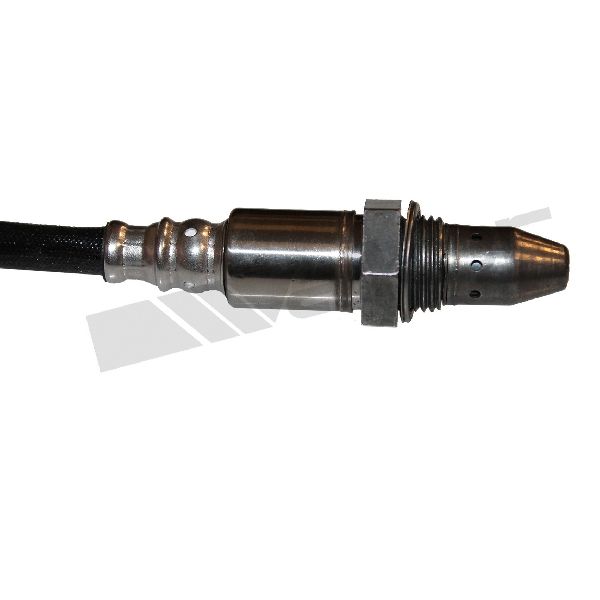
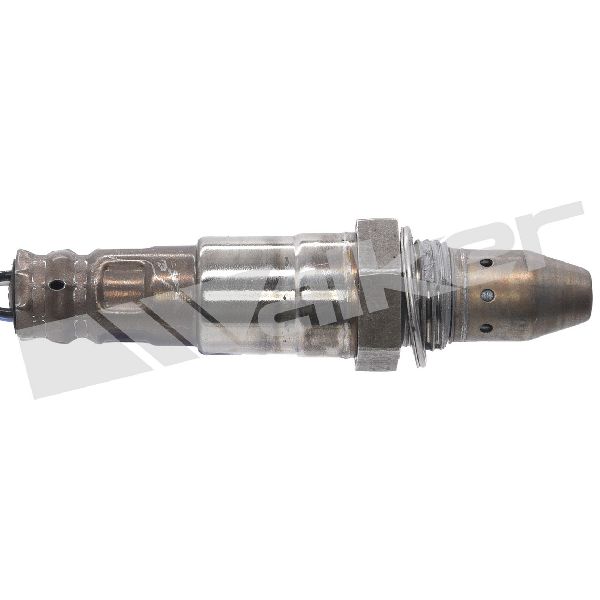
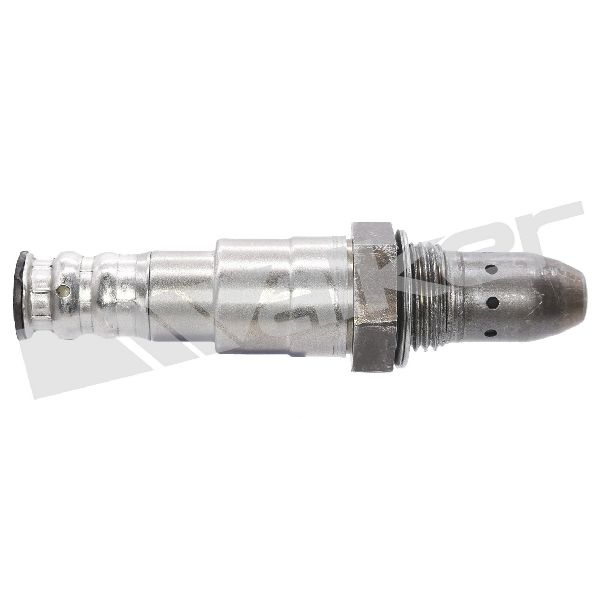
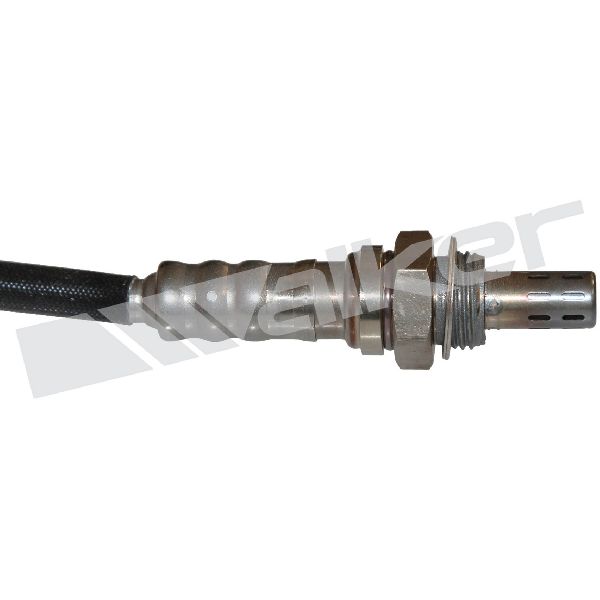
- Standard/Budget-Friendly: Brands like Walker Products and DriveWire offer a good balance of affordability and performance. They are a solid choice for owners on a budget, with many users reporting good fit and function.
Known Issues, Recalls, and Service Bulletins

For 2015-2016 Nissan Pathfinders, a voluntary emissions recall campaign (Reference: R1620) was issued. The issue involved the rear oxygen sensor signal potentially failing, which would disable the OBD monitor without alerting the driver. The fix required a simple software update to the Electronic Control Module (ECM) performed by a Nissan dealer. While this was not a recall of the part itself, it's relevant for owners of these model years. No other major recalls for oxygen sensors on the 2014-2024 Pathfinder were found in NHTSA records.
Cost of Replacement
The cost to replace an oxygen sensor can vary significantly based on the sensor's location and whether you do the work yourself or hire a professional. Some sensors are easily accessible, while others may require removing other components to reach.
| Item | Estimated Cost |
|---|---|
| New Aftermarket Oxygen Sensor (DIY) | $45 - $326 |
| Shop Labor | $129 - $190 |
| Total Professional Replacement (Aftermarket Part) | $175 - $516 |
| Total Professional Replacement (OEM Part) | $467 - $553 |
Frequently Asked Questions (FAQ)

How many oxygen sensors does my 2014-2024 Pathfinder have?
Most V6 Nissan Pathfinders in this year range have four oxygen sensors: two upstream (before the catalytic converters) and two downstream (after the catalytic converters). There is one upstream and one downstream sensor for each cylinder bank.
What is the difference between an upstream and a downstream sensor?
Upstream sensors (Bank 1 Sensor 1, Bank 2 Sensor 1) are located in the exhaust manifold before the catalytic converter. They provide the primary data for adjusting the air-fuel mixture. Downstream sensors (Bank 1 Sensor 2, Bank 2 Sensor 2) are located after the catalytic converter and monitor its efficiency to ensure it's reducing emissions correctly.
Can I replace just one oxygen sensor?
Yes, you only need to replace the specific sensor that has failed. A diagnostic scan tool can read the trouble code to identify which sensor needs replacement. However, oxygen sensors have a similar service life, so if one fails, others may not be far behind.
What happens if I don't replace a bad oxygen sensor?
Driving with a bad oxygen sensor is not recommended. It will cause poor fuel economy and performance. Over time, an engine running too rich can send unburned fuel into the exhaust, which can overheat and destroy the catalytic converter, leading to a much more expensive repair.
Is replacing an O2 sensor a difficult DIY job?
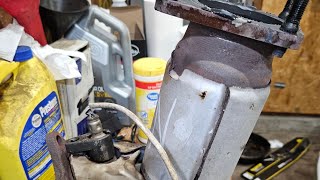
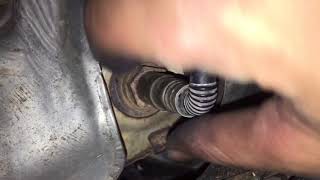
The difficulty varies. Some sensors are easy to access, while others, particularly on the rear bank (Bank 1) near the firewall, can be very difficult to reach without specialized tools like O2 sensor sockets and swivels. The sensors can also be seized in the exhaust pipe due to rust and heat, requiring 🎬 Learn tips for removing a seized oxygen sensor from the exhaust. significant force to remove.
Helpful Videos
Technical Specifications
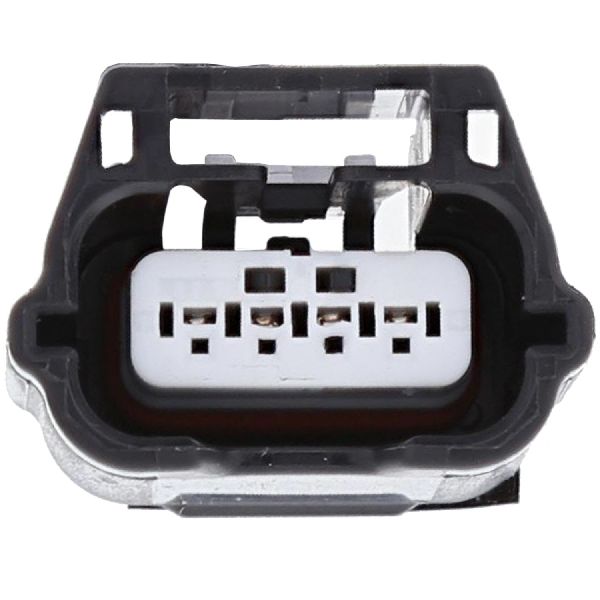
Your 2014-2024 Pathfinder uses heated, 4-wire oxygen sensors. Upstream sensors are often referred to as Air/Fuel Ratio Sensors, while downstream sensors are typically called Heated Oxygen Sensors. It is critical to match the part to the correct location (Bank 1/Bank 2 and Upstream/Downstream) for proper function.
We Have This Part in Stock


The information in this article is provided for general reference and educational purposes only. Vehicle specifications, procedures, and part compatibility can vary by production date, trim level, and region. Always consult your vehicle's factory service manual and verify part numbers before purchasing or performing repairs. Safety-critical components such as airbags, seat belts, and braking systems should be installed by a qualified professional.
- Nissan Pathfinder: