

A Guide to the Mass Air Flow Sensor for the 2014-2024 Honda Accord
If your Accord is idling rough, hesitating, or getting poor gas mileage, a faulty Mass Air Flow sensor could be the reason.
- Common symptoms of a bad MAF sensor include a check engine light (P0101), rough idle, hesitation, and poor fuel economy.
- Before buying a new part, try cleaning the sensor with a dedicated MAF sensor cleaner, as this can sometimes fix the issue.
- Replacement is extremely easy for a DIYer, requiring only a screwdriver and about 15 minutes.
- To avoid ongoing issues, it is highly recommended to use an OEM (Hitachi) or a premium aftermarket brand like Delphi or NGK.
Is Your Accord Running Rough? It Could Be the MAF Sensor


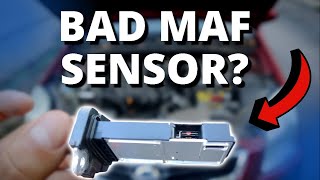
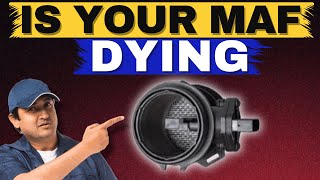
A failing Mass Air Flow (MAF) sensor can cause a range of frustrating problems. Because it directly controls the air-fuel ratio, any incorrect readings can make your car run poorly. Common signs include a shaky or rough idle, hesitation when you step on the gas, a noticeable drop in fuel economy, and in some cases, stalling at stoplights. 🎬 Watch: 11 common symptoms of a failing MAF sensor Often, the first thing you'll notice is the check engine light on your dashboard.
First Step: Try Cleaning It
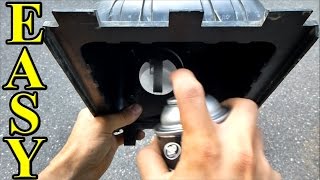
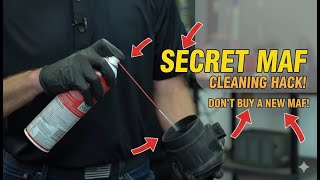
Before you buy a new part, it's worth trying to clean your existing MAF sensor. Over time, the sensor's delicate wires can get coated with dirt or oil, causing bad readings. You can buy a special spray cleaner made specifically for MAF sensors. The process is simple: remove the sensor, spray it generously according to the can's directions, let it dry completely without touching the wires, and reinstall it. If cleaning solves the problem, you've saved yourself the cost of a new part. 🎬 See this detailed guide on how to clean your sensor If not, the sensor's electronics have likely failed and it needs to be replaced.
Choosing the Right Aftermarket MAF Sensor

When it comes to sensitive electronics like the MAF sensor, quality matters. While budget parts are tempting, they can be poorly calibrated and cause the same problems as the part you're replacing. For a Honda Accord, it's best to stick with brands known for quality and precision.
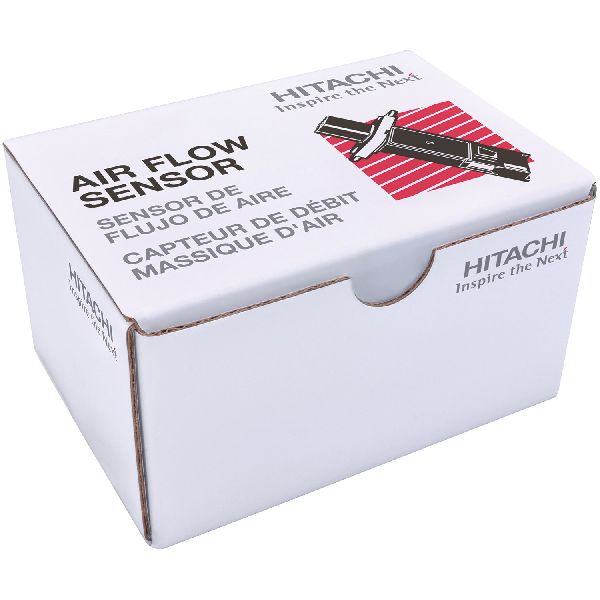
- Premium Brands (OEM-Equivalent): Brands like Hitachi (often the original equipment manufacturer for Honda), Delphi, and NGK/NTK are top-tier choices. They are engineered to meet or exceed factory specifications, ensuring your Accord runs as it should.
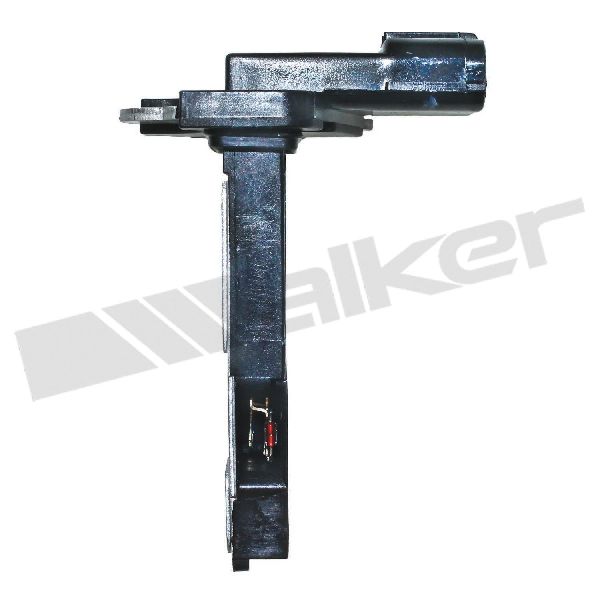
- Quality Mid-Range Brands: Standard Ignition and Walker Products offer a good balance of quality and value. They are generally reliable and a solid choice if a premium brand isn't in the budget.
- Remanufactured Options: A brand like Cardone offers remanufactured sensors. These are original units that have been rebuilt and tested. They can be a cost-effective option, but quality can sometimes be inconsistent compared to a new premium part.
- Budget Brands: Brands like DriveWire and Global Parts are typically the most affordable. However, they carry a higher risk of being improperly calibrated, which can lead to persistent check engine lights and performance issues.
A Note on OEM vs. Aftermarket
For a critical sensor like the MAF, a cheap aftermarket part can create more headaches than it solves. Many technicians and experienced owners report that budget sensors often fail to perform correctly, forcing them to buy another one. Investing in an OEM or premium aftermarket brand from the start is often the most cost-effective solution in the long run.
Honda Accord MAF Sensor Cost
| Part Type | Estimated Cost |
|---|---|
| New OEM (Honda-branded) | $130 - $270 |
| New Aftermarket | $59 - $446 |
| Remanufactured | $70 - $150 |
| Shop Labor for Installation | $50 - $100 |
Known Issues, Recalls, and Service Bulletins
As of early 2026, there are no specific recalls or Technical Service Bulletins (TSBs) from Honda or the NHTSA for Mass Air Flow sensor failure on the 2014-2024 Honda Accord. While other sensors on these vehicles have been subject to recalls, the MAF sensor has not been identified as having a widespread, recall-worthy defect.
Frequently Asked Questions (FAQ)

Where is the MAF sensor located on my 2014-2024 Accord?
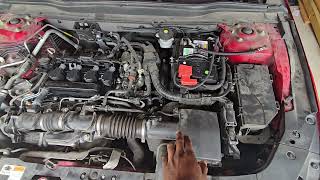
The MAF sensor is very easy to find. Open the hood and look for the air filter box. The sensor is mounted in the plastic intake tube right after the air box, held in by two Phillips-head screws and an electrical connector.
What happens if I don't replace a bad MAF sensor?
Driving for an extended time with a faulty MAF sensor can cause more than just a rough ride. The incorrect air-fuel mixture can lead to fouled spark plugs, poor fuel economy, and eventually, expensive damage to your catalytic converter from unburned fuel.
Is this a difficult part to replace myself?
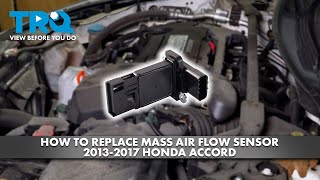
No, this is one of the easiest repairs you can do. All you need is a Phillips-head screwdriver and about 15 minutes. Simply unplug the connector, remove the two screws, pull the old sensor out, and install the new one.
🎬 Watch: Step-by-step replacement walkthrough for newer Accord modelsDo I need to reset the computer after installing a new MAF sensor?
It is a good practice to reset the Engine Control Unit (ECU) to clear the old learned values. You can do this by disconnecting the battery's negative terminal for about 15-20 minutes or by using an OBD2 scanner to clear the fault codes. This allows the computer to learn the parameters of the new sensor immediately.
Helpful Videos
Technical Specifications
OEM Part Numbers: 37980-5BA-A01 37980-5A2-A01 37980-RNA-A01
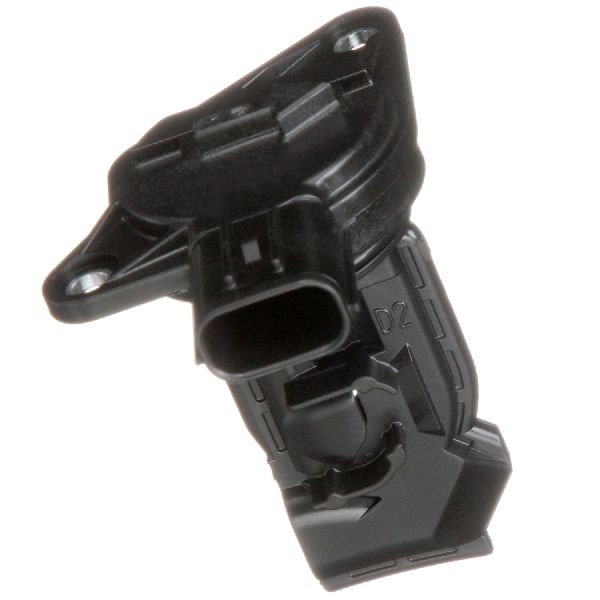
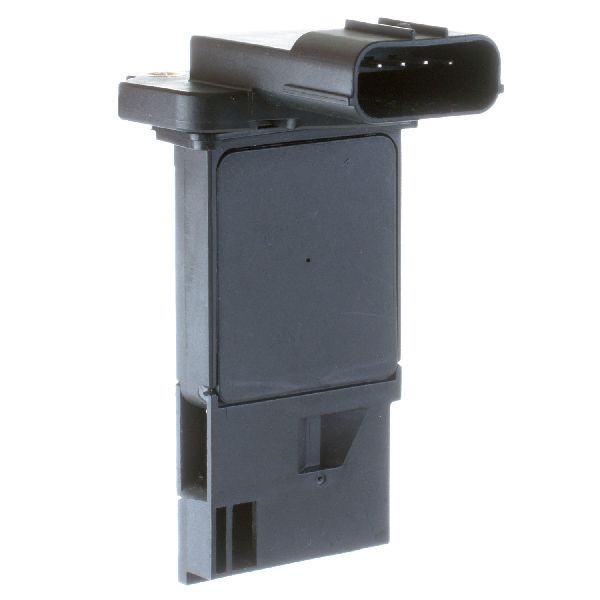
The MAF sensor for the 2014-2024 Honda Accord is a digital hot-wire type sensor that mounts to the engine's air intake duct. It typically uses a 4-pin or 5-pin electrical connector. Part numbers vary between the 9th generation (2014-2017) and the 10th/11th generations (2018-2024), so verifying the correct part for your specific year and engine is crucial.
We Have This Part in Stock


The information in this article is provided for general reference and educational purposes only. Vehicle specifications, procedures, and part compatibility can vary by production date, trim level, and region. Always consult your vehicle's factory service manual and verify part numbers before purchasing or performing repairs. Safety-critical components such as airbags, seat belts, and braking systems should be installed by a qualified professional.
- Honda Accord: