

Chevrolet Colorado Engine Coolant Temperature Sensor: A Complete Guide for 2014-2024
Is your temperature gauge acting up or is your cooling fan always on? Your Engine Coolant Temperature Sensor might be the problem.
- A bad ECT sensor in a Colorado often causes an erratic temp gauge, constant fan noise, and a check engine light (P0117, P0118, P0128).
- For reliability, choose an OEM brand like ACDelco or a premium aftermarket brand like Delphi.
- On 3.6L V6 models (2017-2022), the sensor is extremely difficult to replace; consider professional installation.
- It's common for the thermostat to be the root cause of the issue; replacing both parts at once is recommended, especially on the V6.
Symptoms of a Failing ECT Sensor in a Chevrolet Colorado

When the ECT sensor starts to fail, it sends incorrect information to your truck's computer. This can cause a variety of noticeable problems. Many Colorado owners have reported these specific issues.
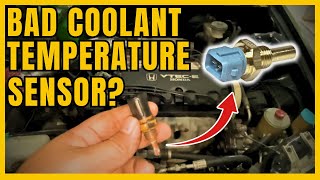
🎬 Watch: A visual guide to these 8 common symptoms.- Check Engine Light: This is often the first sign. The sensor failing will trigger trouble codes like P0117 (circuit low), P0118 (circuit high), or P0128 (coolant temperature below thermostat regulating temperature).
- Erratic Temperature Gauge: The temperature gauge on your dashboard might drop to zero, shoot up to max, or not move at all, even when the engine is warm.
- Cooling Fans Run Constantly: The truck's computer may enter a "fail-safe" mode to prevent overheating. This often involves running the cooling fans at full speed all the time, even right after a cold start.
- Poor Fuel Economy: If the computer thinks the engine is always cold, it will inject more fuel than necessary, causing your gas mileage to drop.
- Black Smoke from Exhaust: A rich fuel mixture from a bad sensor reading can result in unburned fuel leaving the tailpipe as black smoke.
- Rough Idle or Hard Starts: The wrong fuel mixture can make the engine run poorly, especially when idling or trying to start.
Installation Warning for 3.6L V6 Engines
If you have a 2017-2022 Colorado with the 3.6L V6 engine, be aware that replacing this sensor is a very difficult job. The sensor is located in a tight, hard-to-reach valley behind the thermostat housing. Many owners and mechanics report extreme frustration, and special or custom-made tools are often required to complete the replacement. For other engines, the job is generally much easier.
🎬 See this walkthrough for replacing the sensor on 2.5L engines.Choosing the Right Aftermarket ECT Sensor

Not all aftermarket sensors are created equal. For a critical part like this, quality matters. Using a low-quality sensor can lead to it failing again in a short time.
Tier 1: OEM & Premium Aftermarket
These brands are either the original equipment manufacturer or have a reputation for equivalent quality. They are the most reliable choice.
- ACDelco: As the genuine GM parts brand, this is the original equipment (OE) sensor for your Colorado. Choosing ACDelco guarantees the same performance and fit as the factory part.
- Delphi: A major OE supplier for many car brands, including GM. Delphi sensors are known for their quality and durability, making them a trusted alternative to ACDelco.
Tier 2: Quality Aftermarket
These brands are well-known in the industry for producing reliable electronic components and are a solid choice if an OEM part isn't available.
- Bosch: A global leader in automotive technology with a strong reputation for sensors.
- NGK / NTK: While famous for spark plugs, their NTK electronics division produces high-quality sensors.
- Standard Ignition (SMP): A long-standing brand that offers a wide range of dependable aftermarket parts.
Tier 3: Value Brands
These brands offer a budget-friendly option. They can be a good choice if cost is the primary concern, but may not offer the same long-term durability as premium brands.
- Walker Products
- Facet
- Hella
- Holstein
- Global Parts, True Tech, Vemo
| Item | Estimated Cost |
|---|---|
| New Aftermarket Part | $14 - $42 |
| New OEM Part (ACDelco) | $40 - $70 |
| Shop Labor | $100 - $300+ |
| Total Estimated Cost | $114 - $370+ |
Note: Labor costs can be significantly higher for the 3.6L V6 engine due to the difficult location of the sensor.
Frequently Asked Questions

Where is the ECT sensor located on a 2014-2024 Chevrolet Colorado?
The location varies by engine. It is typically screwed into the cylinder head, engine block, or near the thermostat housing. On the 3.6L V6, it is notoriously located on the cylinder head in a valley behind the thermostat housing, making it very difficult to access.
Can I drive my Colorado with a bad ECT sensor?
You can, but it is not recommended for long distances. The engine's computer will go into a fail-safe mode, which usually means poor fuel economy, rough running, and constant fan noise. Driving this way for too long could potentially lead to other issues like carbon fouling of engine components.
Do I need to replace the thermostat at the same time?
It is a very common practice, especially on the 3.6L V6. Often, the trouble codes and symptoms are caused by a failing thermostat, not the sensor. Since accessing the sensor on the V6 requires removing the thermostat housing anyway, it is highly recommended to replace both parts at the same time to avoid doing the difficult job twice.
🎬 Watch: How to make this difficult 3.6L V6 repair easier.Is replacing the ECT sensor a DIY job?
For most Colorado engines, yes, it is a manageable DIY job for someone with basic tools. However, for the 2017-2022 3.6L V6, it is considered a very difficult and frustrating DIY job due to the sensor's location. Unless you are an experienced mechanic with specialized tools, you may want to leave this specific engine's replacement to a professional.
Helpful Videos
Technical Specifications
OEM Part Numbers: 12608814 12650595 12636534 15326388 213-4514
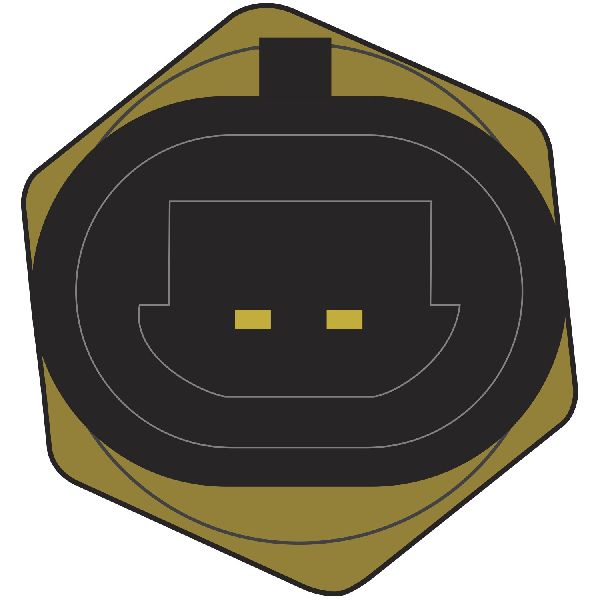
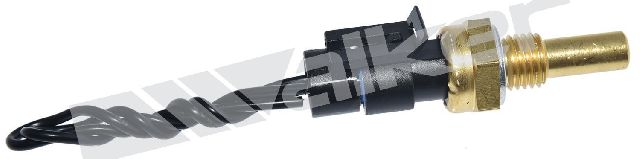
Typically a 2-pin, brass, threaded sensor. The specific thread pitch and connector style vary by engine and year.
We Have This Part in Stock


The information in this article is provided for general reference and educational purposes only. Vehicle specifications, procedures, and part compatibility can vary by production date, trim level, and region. Always consult your vehicle's factory service manual and verify part numbers before purchasing or performing repairs. Safety-critical components such as airbags, seat belts, and braking systems should be installed by a qualified professional.
- Chevrolet Colorado: