

Hyundai Santa Fe Crankshaft Position Sensor: A 2014-2023 Guide
Understanding the symptoms and replacement options for your Santa Fe's essential engine sensor.
- A bad crankshaft sensor can cause stalling, no-starts, and a check engine light with code P0335.
- The sensor location is different for 4-cylinder (underneath, by exhaust) and V6 engines (top of transmission).
- Driving with a failing sensor is dangerous due to the risk of the engine shutting off in traffic.
- For best results, choose an OEM-supplier brand like Mando, Delphi, or Beck Arnley for this critical part.
Is Your Santa Fe Stalling or Hard to Start? It Could Be the Crankshaft Sensor

If you're experiencing engine problems with your 2014-2023 Hyundai Santa Fe, a faulty crankshaft position sensor is a common culprit. This small but critical sensor can cause a range of frustrating issues, from a simple check engine light to your vehicle shutting off in traffic. Understanding the symptoms and your replacement options can help you get your Santa Fe running reliably again.
Common Failure Symptoms
A failing crankshaft sensor often gives warning signs before it quits completely. You might notice one or more of the following issues:
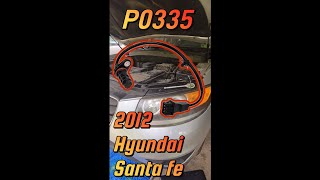
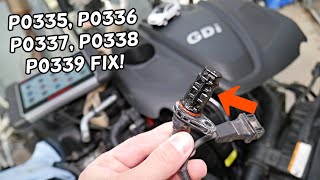
- Check Engine Light: This is often the first sign. A scan tool will typically show code P0335 🎬 Watch: How to check your sensor and understand P0335 codes. or related codes (P0336-P0339).
- Engine Will Not Start: The engine may crank but refuse to fire up because the computer doesn't know when to create spark or inject fuel.
- Hard Starting: You might have to crank the engine for a long time before it finally starts.
- Stalling: The engine may stall unexpectedly, either at idle or while driving. This can be intermittent and may happen more often when the engine is hot. This is a serious safety concern.
- Rough Idle and Misfires: The engine may run poorly, shake, or vibrate because the ignition timing is off.
- Poor Acceleration: You may feel a noticeable lack of power when trying to accelerate.
Important Note on Engine Issues
While a bad crankshaft sensor is common, some 2014-2017 Santa Fe models were subject to recalls for serious internal engine problems, including issues with the crankshaft assembly itself. If you hear engine knocking along with stalling, it is critical to have your vehicle inspected by a professional to rule out a more severe mechanical failure.
Choosing the Right Aftermarket Sensor

When replacing the sensor, you have a choice between OEM and aftermarket parts. For a critical sensor like this, quality matters. An unreliable sensor can fail prematurely, leaving you stranded again. Here’s a breakdown of the available brands to help you choose.
Pro Tip: Mando is a known original equipment manufacturer for Hyundai. Choosing a Mando sensor is often the same as buying the part from a Hyundai dealer, but at a better price. Beck/Arnley is also known for sourcing parts from the original manufacturers.
- OEM-Supplier Grade (Highest Quality): These brands are often the original suppliers to Hyundai. They offer the best fit and reliability.
- Mando
- Delphi
- Hitachi
- Beck Arnley
- Reputable Aftermarket (Good Quality & Value): These are trusted brands in the aftermarket community, offering a good balance of price and performance.
- Standard Ignition (SMP)
- Walker Products
- Spectra
- Budget-Friendly (Use with Caution): While more affordable, these brands may not have the same longevity or rigorous testing as premium options.
- Global Parts
Location Varies by Engine: 4-Cylinder vs. V6

A common mistake is ordering the wrong part or looking in the wrong place. The location of the crankshaft position sensor is different depending on which engine your Santa Fe has.
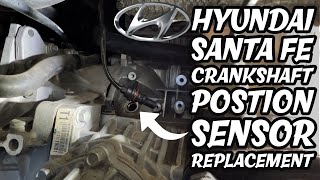
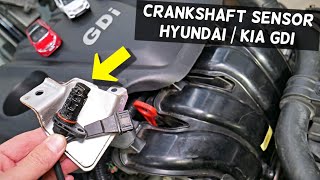
- For 2.0L Turbo & 2.4L 4-Cylinder Engines: The sensor is located on the back of the engine block, near the bellhousing of the transmission and underneath the exhaust manifold. It is in a tight space and is best accessed from underneath the vehicle. 🎬 See this walkthrough for 2.4L sensor location and replacement. The job involves removing a small heat shield first.
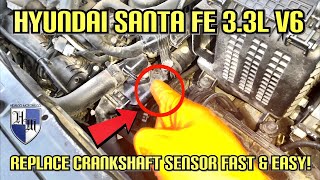
- For 3.3L V6 Engines: The sensor is located on the top of the transmission bellhousing. It is accessible from the top of the engine bay after removing the air intake snorkel 🎬 Watch: Fast and easy replacement guide for the 3.3L engine. and the battery.
| Part Type | Price Range |
|---|---|
| New OEM (Dealer) | $85 - $255 |
| New Aftermarket | $27 - $154 |
| Shop Labor | $150 - $220 |
| Total Professional Replacement | $250 - $400 |
Frequently Asked Questions

Can I replace the crankshaft position sensor myself?
For a DIY mechanic, this job is feasible but the difficulty depends on your engine. For the 3.3L V6, it is relatively straightforward as it's accessed from the top after removing the battery. For the 2.0L and 2.4L engines, the job is more difficult because it requires safely jacking up the vehicle and working in a very tight space near the hot exhaust. If you are not comfortable with this, professional installation is recommended.
Are there any recalls for this part?
No. While there have been recalls for older Hyundai models and for different engine issues on the 2014-2023 Santa Fe, there are no active recalls specifically for the crankshaft position sensor on these model years.
What happens if I don't replace a bad sensor?
Ignoring a failing crankshaft sensor will lead to worsening symptoms. The stalling will become more frequent, and eventually, the car will likely not start at all, leaving you stranded. Driving with a car that can stall at any moment is a significant safety hazard.
Why did my crankshaft sensor fail?
Sensors can fail over time due to constant exposure to high heat from the engine and exhaust. The internal electronics or the wiring can degrade, leading to a weak or inconsistent signal. It's a common failure point on many vehicles, especially after passing 100,000 miles.
Helpful Videos
Technical Specifications
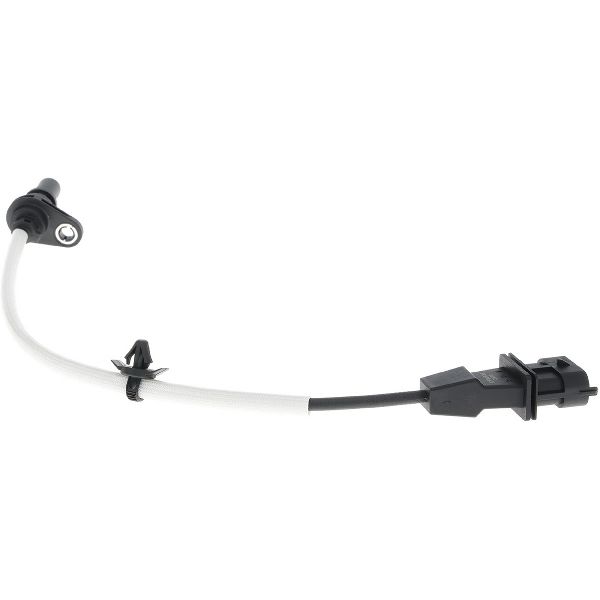
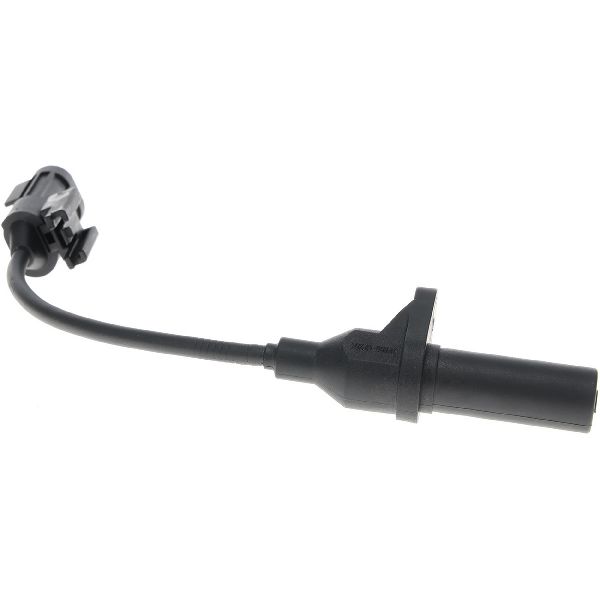
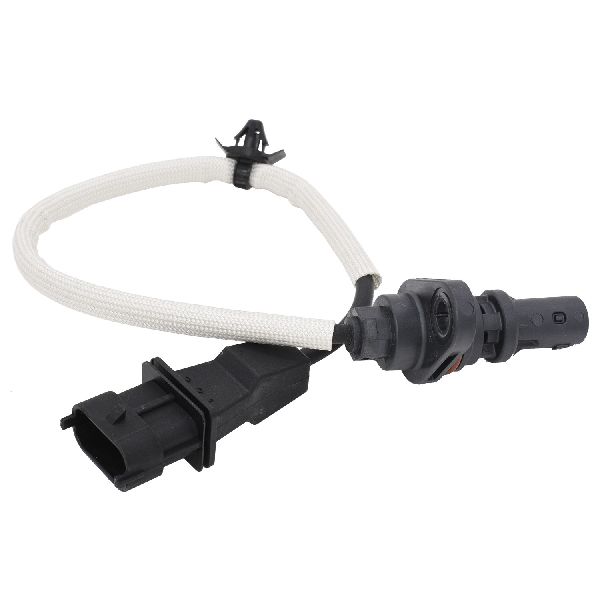
OEM Part Numbers: 39180-2G000 39180-25300 39310-3C600
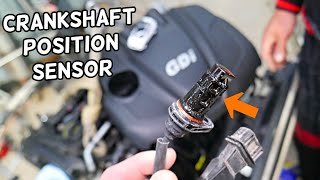
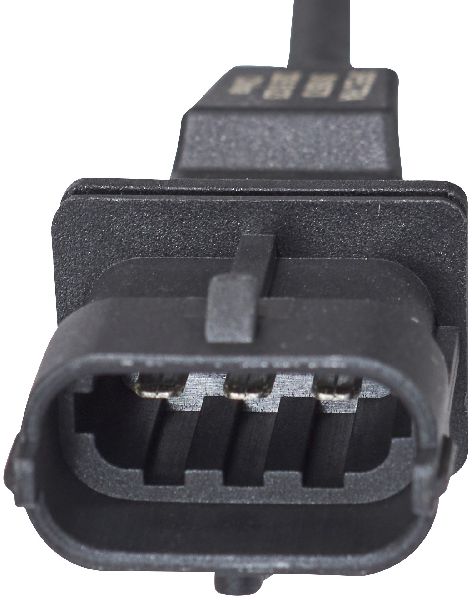
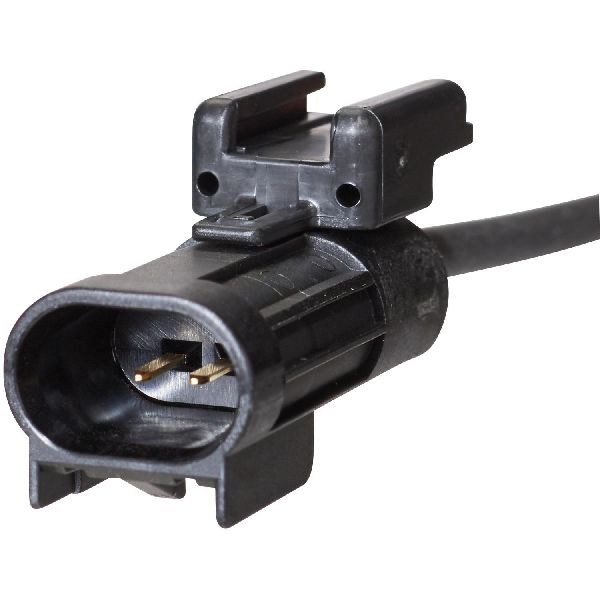
A 3-pin magnetic or Hall-effect sensor that reads the crankshaft's rotational speed and position from a reluctor wheel.
We Have This Part in Stock


The information in this article is provided for general reference and educational purposes only. Vehicle specifications, procedures, and part compatibility can vary by production date, trim level, and region. Always consult your vehicle's factory service manual and verify part numbers before purchasing or performing repairs. Safety-critical components such as airbags, seat belts, and braking systems should be installed by a qualified professional.
- Hyundai Santa Fe: