

Dodge Charger Oxygen Sensor Guide for 2014-2023 Models
Keep your Charger's engine running strong by understanding and replacing a faulty oxygen sensor.
- Your Charger has four O2 sensors; use the OBD-II code to identify which one has failed.
- Ignoring a bad O2 sensor can lead to costly catalytic converter damage.
- For best results, use OEM-equivalent brands like NTK or Denso, especially for the critical upstream sensors.
- If a new sensor doesn't fix the issue, check for TSBs related to PCM software updates for your vehicle.
Understanding Oxygen Sensor Failure in Your Charger

Oxygen sensors don't last forever and typically need replacement every 60,000 to 100,000 miles. Contaminants like oil and fuel additives can shorten their life. When a sensor fails, it can no longer send accurate information to your car's computer, leading to a variety of performance issues.
Key Symptoms of a Bad O2 Sensor
A failing oxygen sensor will almost always trigger the Check Engine Light on your dashboard. 🎬 Watch: A breakdown of common symptoms of a bad oxygen sensor. Other common signs include:
- Poor Fuel Economy: The engine's computer may default to a rich fuel mixture, causing you to visit the gas station more often.
- Rough Idle and Poor Performance: You might notice a shaky idle, hesitation, or sluggish acceleration because the air-fuel ratio is incorrect.
- Rotten Egg Smell: An overly rich fuel mixture can lead to a sulfur-like smell from the exhaust as the catalytic converter gets overworked.
- Failed Emissions Test: A bad O2 sensor is a common reason for failing a state emissions inspection due to high levels of pollutants.
Don't Ignore a Bad O2 Sensor
While you can drive with a bad O2 sensor, it's not recommended for long. Continuing to drive can lead to more expensive problems, including irreversible damage to your catalytic converters, which can cost thousands to replace. It is much cheaper to replace a sensor than a catalytic converter.
Choosing the Right Aftermarket Oxygen Sensor

When replacing an O2 sensor, you have a choice between OEM Mopar parts and aftermarket brands. For many sensors on modern cars, sticking with the original equipment manufacturer (OEM) or a high-quality equivalent is crucial for avoiding future headaches.
- Premium Brands (OEM-Equivalent): NTK and Denso are widely considered to be the original equipment suppliers for Mopar. Choosing one of these brands is the closest you can get to buying a Mopar part from the dealer, often at a better price. They are engineered to meet the specific voltage requirements of your Charger's computer.
- Quality Aftermarket: Bosch is a well-known and generally reliable brand for many auto parts. However, some Dodge owners and mechanics report that Mopar vehicles can be sensitive and sometimes don't respond well to Bosch sensors, leading to persistent check engine lights.
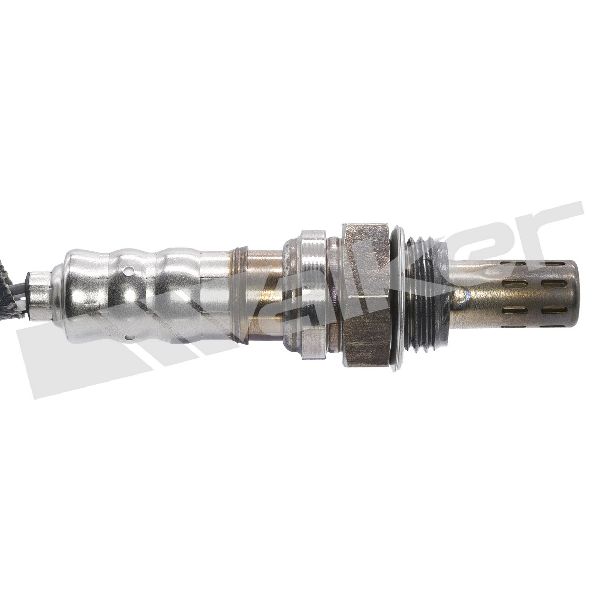
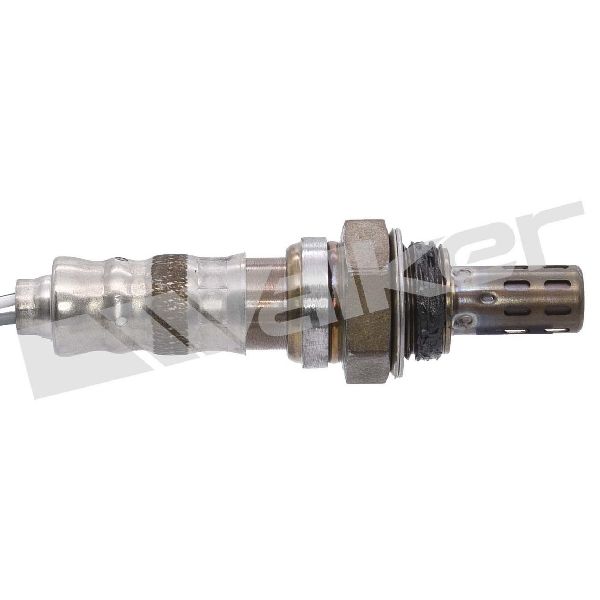
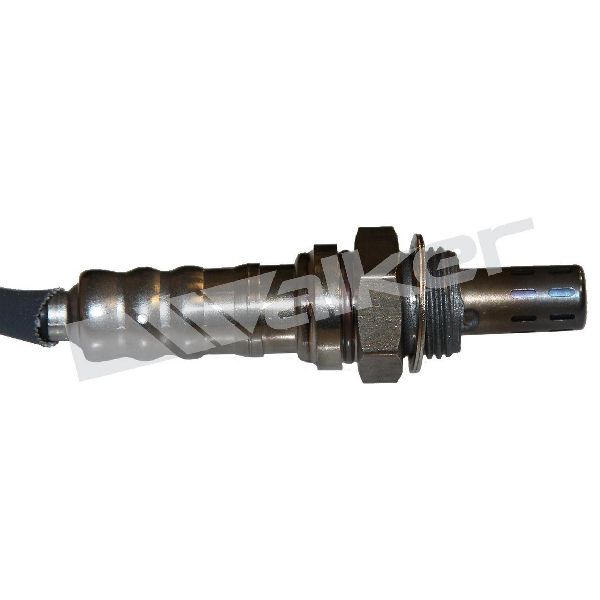
- Economy/Value Brands: Brands like Walker, Crown, and DriveWire offer a more budget-friendly option. While they may function correctly, their long-term reliability and precision may not match that of NTK or Denso. Walker is considered an acceptable, though not top-tier, option by some mechanics.
Pro Tip: Upstream vs. Downstream
Upstream sensors (Bank 1 Sensor 1, Bank 2 Sensor 1) are more critical for engine performance. It is highly recommended to use a premium brand like NTK or Denso for these. For downstream sensors (Bank 1 Sensor 2, Bank 2 Sensor 2), which primarily monitor the catalyst, a wider range of brands may be acceptable, but OEM-equivalent is always the safest bet.
Known Issues, Recalls, and TSBs

As of early 2026, there are no widespread recalls specifically for oxygen sensor failures on the 2014-2023 Dodge Charger. However, Chrysler has issued Technical Service Bulletins (TSBs) for some model years related to software updates for the Powertrain Control Module (PCM) that address false O2 sensor codes. For example, TSB 18-071-22 REV. B addresses various O2 sensor circuit high voltage codes (like P0132, P0138, P0152) and recommends a PCM software update. 🎬 Watch: How to fix O2 sensor circuit high voltage codes. If you replace a sensor and the code returns, it's worth checking with a dealer to see if any software updates are available for your VIN.
| Part & Labor | Estimated Cost |
|---|---|
| New Aftermarket O2 Sensor (Part Only) | $40 - $342 |
| New OEM Mopar O2 Sensor (Part Only) | $83 - $140 |
| Shop Labor to Replace One Sensor | $100 - $200 |
| DIY Replacement | Cost of part + O2 sensor socket (~$15) |
Frequently Asked Questions

How many oxygen sensors does my Dodge Charger have?
Most 2014-2023 Dodge Chargers with either the V6 or V8 engine have four oxygen sensors: two upstream (before the catalytic converters) and two downstream (after the catalytic converters).
Which sensor is Bank 1 vs. Bank 2?
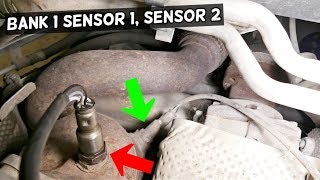
On HEMI V8 engines, Bank 1 is the driver's side of the engine. On the 3.6L Pentastar V6, Bank 1 is the passenger's side (right side). 🎬 See this walkthrough for replacing sensors on the 3.6L Pentastar engine. Bank 2 is the opposite side for each engine. Sensor 1 is always the upstream sensor, and Sensor 2 is the downstream sensor.
Can I replace an O2 sensor myself?
Yes, this is a feasible DIY job for many home mechanics. It requires safely lifting the vehicle, disconnecting the electrical connector, and using a special O2 sensor socket to remove the old sensor. However, sensors can be seized in the exhaust pipe and may require heat or significant force to remove.
Why did my Check Engine Light come back after replacing the sensor?
This can happen for a few reasons. You may have used a brand that the car's computer doesn't like, there could be a wiring issue, an exhaust leak, or your car's computer may need a software update per a TSB. It's also possible you replaced the wrong sensor; always double-check the code to identify the correct bank and sensor number.
Helpful Videos
Technical Specifications
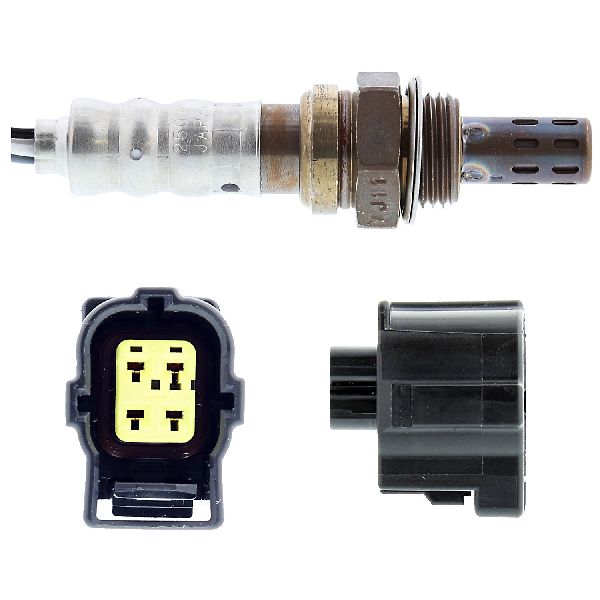
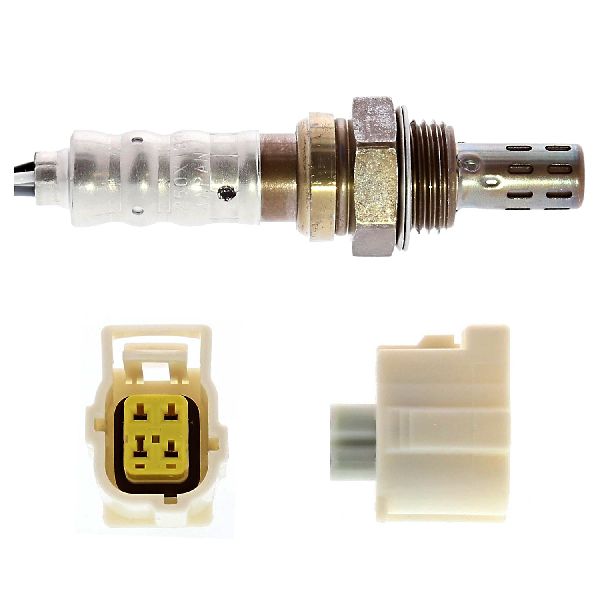
OEM Part Numbers: 68224424AA 68203458AA 05149171AB 05149180AB
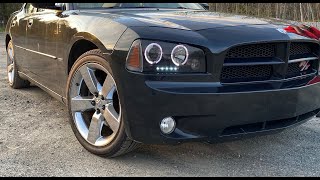
Your 2014-2023 Dodge Charger is equipped with four heated oxygen sensors. The number of sensors and their specific part numbers vary based on your engine (3.6L V6, 5.7L HEMI, 6.4L HEMI, or 6.2L Supercharged HEMI). Upstream sensors are wideband and more complex, while downstream sensors are typically narrower band. Always verify the part number for your specific VIN and sensor location (Bank 1/2, Sensor 1/2).
We Have This Part in Stock


The information in this article is provided for general reference and educational purposes only. Vehicle specifications, procedures, and part compatibility can vary by production date, trim level, and region. Always consult your vehicle's factory service manual and verify part numbers before purchasing or performing repairs. Safety-critical components such as airbags, seat belts, and braking systems should be installed by a qualified professional.
- Dodge Charger: