

A Mechanic's Guide to the 2014-2022 Honda Accord Oxygen Sensor
If your check engine light is on and gas mileage is down, a faulty oxygen sensor is a likely suspect.
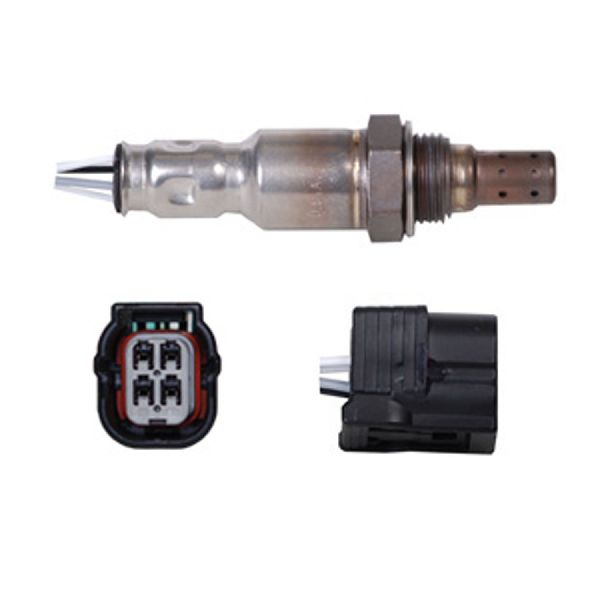
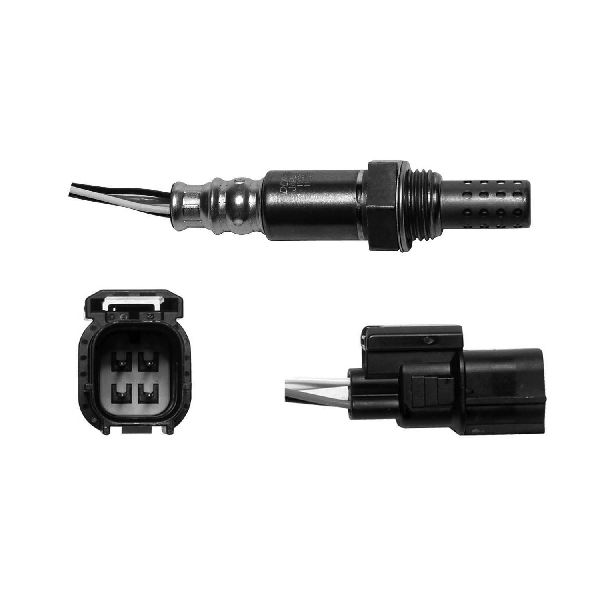
- Denso and NGK (NTK) are the Original Equipment Manufacturers (OEM) for Honda, making them the most reliable aftermarket choices.
- You must correctly identify whether you need an upstream (Air/Fuel Ratio) or downstream sensor, as they are not interchangeable.
- A bad oxygen sensor is a very common reason for a check engine light and reduced gas mileage on a 2014-2022 Accord.
- Using a special slotted socket for oxygen sensors is highly recommended to avoid damaging the part during installation.
Is Your Accord's Oxygen Sensor Failing?

A bad oxygen sensor won't typically leave you stranded, but ignoring it is a bad idea. The most obvious sign is a steady Check Engine Light on your dashboard. You'll also likely notice a drop in your gas mileage because the engine isn't getting the right air-fuel mixture. Other symptoms can include a rough idle, engine hesitation, or even a rotten egg smell from the exhaust. Ignoring a bad sensor for too long can lead to expensive damage to your catalytic converter, a repair that costs significantly more than replacing the sensor itself.
OEM vs. Aftermarket: What's the Best Choice for Your Accord?

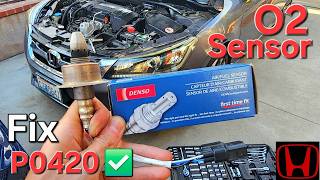
When it comes to oxygen sensors for your Honda, you have good options in the aftermarket. Honda's original equipment (OEM) sensors are typically made by Denso or NGK (also sold under the brand name NTK). This means you can often buy the exact same part from an auto parts store without the dealership packaging and price tag. These brands are your best bet for a reliable, direct-fit replacement that performs just like the original.
Brand Tiers for Your Honda Accord
- Top Tier (OEM Equivalent): Denso and NGK/NTK are the original suppliers to Honda. Choosing one of these is the closest you can get to a genuine dealer part and is highly recommended for guaranteed performance and longevity.
- Quality Aftermarket: Bosch is a well-respected brand that invented the modern oxygen sensor. Their products are a solid choice and can be a good alternative if Denso or NGK are not available.
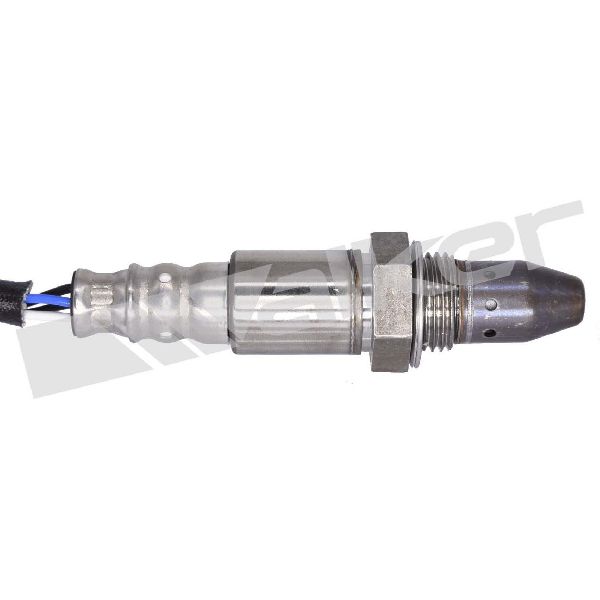
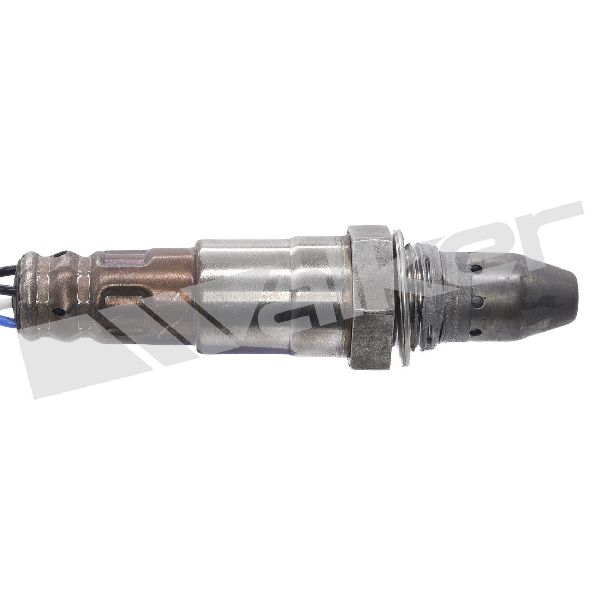
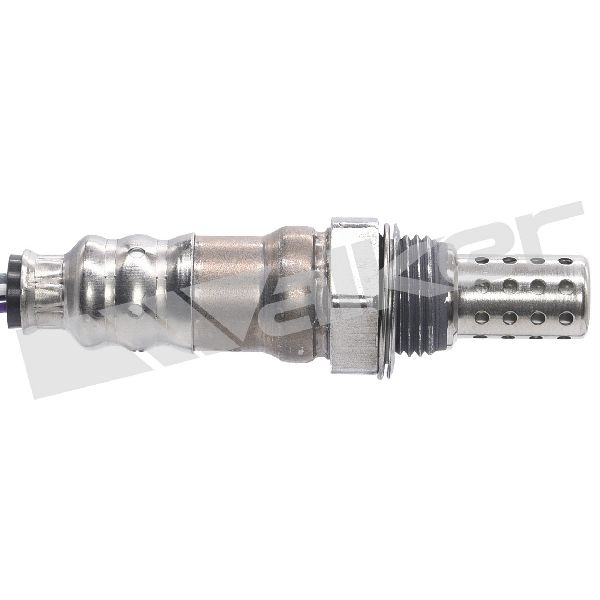
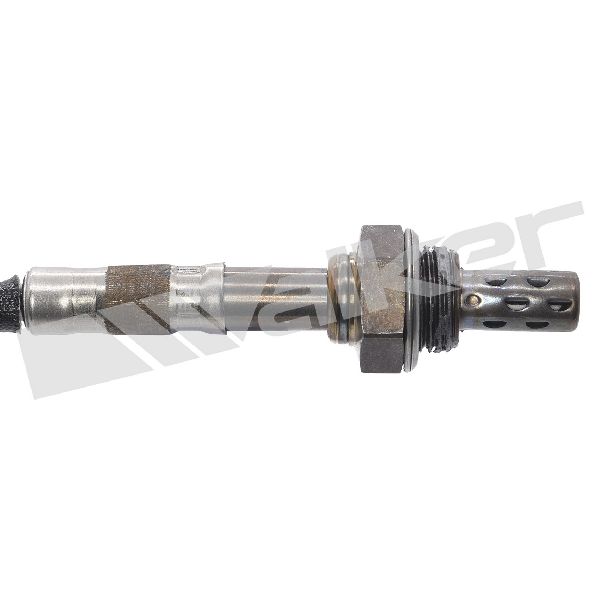
- Value Brands: Walker Products, Spectra, and DriveWire offer more budget-friendly options. While functional, they may not have the same lifespan or precise calibration as the top-tier brands. They can be a suitable choice for older vehicles or if cost is the primary concern.
Common Ordering Mistakes

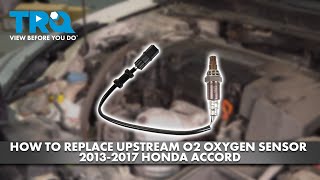
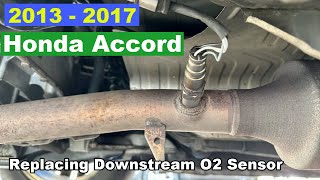
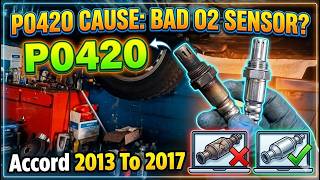
The biggest mistake is mixing up the upstream and downstream sensors. They look similar but have different functions and are not interchangeable. The upstream sensor (Sensor 1) is located before the catalytic converter, while the downstream sensor (Sensor 2) is located after it. Four-cylinder Accords have one of each, while V6 models have two of each (one set for each cylinder bank). Always confirm the location of the failed sensor before ordering a new one. Diagnostic codes like P0135 point to Sensor 1 (upstream), while a P0420 code often relates to the downstream sensor's readings.
| Part Type | Estimated Cost |
|---|---|
| New OEM (Dealer) | $200 - $400+ |
| New Aftermarket | $51 - $317 |
| Shop Labor | $100 - $200 |
Frequently Asked Questions

How many oxygen sensors does my 2014-2022 Accord have?
It depends on your engine. Four-cylinder models typically have two sensors: one upstream and one downstream. V6 models usually have four sensors: two upstream and two downstream, one pair for each bank of cylinders.
What's the difference between an upstream and a downstream sensor?
The upstream sensor (also called an Air/Fuel Ratio Sensor) is located before the catalytic converter and is crucial for adjusting the engine's air-fuel mixture in real-time. The downstream sensor is located after the catalytic converter and its main job is to monitor the converter's efficiency to make sure it's cleaning the exhaust properly.
Can I replace just one oxygen sensor?
Yes, you only need to replace the sensor that has failed. While some mechanics may suggest replacing them in pairs, it is not necessary. Identify the correct failed sensor using the diagnostic trouble code and replace only that one.
Do I need a special tool for this job?
Yes, it is highly recommended to use a special oxygen sensor socket. This socket has a slot cut into the side to accommodate the sensor's wire. Using a standard wrench can be difficult and may damage the wiring.
Are there any recalls for the oxygen sensor on my Accord?
No, there are no specific recalls for oxygen sensors on the 2014-2022 Honda Accord. Searches on the NHTSA database show recalls for other sensors like battery sensors or seat weight sensors on certain models, but not the oxygen sensor itself.
Helpful Videos
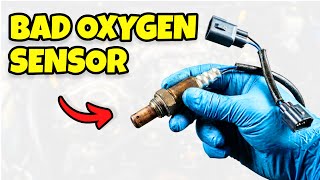
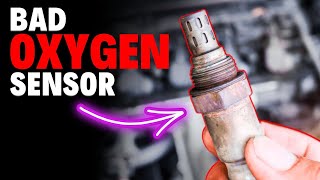
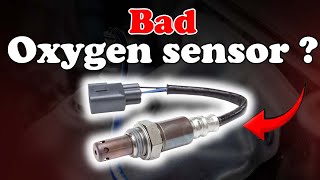
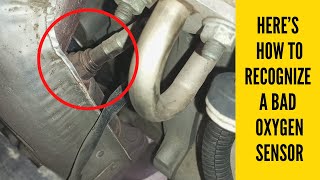
Technical Specifications
OEM Part Numbers: 36531-5A2-A01 36532-5A2-A01 36532-R40-A01 36532-6A0-A01
Sensors are designated as 'Upstream' (before the catalytic converter, also called Air/Fuel Ratio Sensor) or 'Downstream' (after the catalytic converter). Connectors and wire lengths are specific to the sensor's location. Four-cylinder engines typically use two sensors, while V6 engines use four.
We Have This Part in Stock

The information in this article is provided for general reference and educational purposes only. Vehicle specifications, procedures, and part compatibility can vary by production date, trim level, and region. Always consult your vehicle's factory service manual and verify part numbers before purchasing or performing repairs. Safety-critical components such as airbags, seat belts, and braking systems should be installed by a qualified professional.
- Honda Accord: