

GMC Canyon 2014-2022 Engine VVT Solenoid: A Complete Guide
Address rough idling and check engine lights by understanding your Canyon's VVT solenoids.
- A failing VVT solenoid is a very common issue for the 2014-2022 GMC Canyon, causing rough idle and check engine lights.
- Replacement is a simple, DIY-friendly job that takes less than an hour with basic tools.
- Dirty oil is the number one killer of VVT solenoids; always change your oil when replacing them.
- Be careful when ordering: verify part numbers for your specific engine (2.5L I4 vs 3.6L V6) and model year to avoid getting the wrong part.
Is Your GMC Canyon Running Rough? It Could Be the VVT Solenoids

If your 2014-2022 GMC Canyon has a check engine light on, idles poorly, or feels sluggish, a failing Variable Valve Timing (VVT) solenoid is a common cause. These parts are also called camshaft position actuator solenoids. They are essential for engine timing, but they can get clogged with dirty oil or fail electronically. This guide will help you understand the symptoms, choose the right replacement part, and know what to expect during the repair.
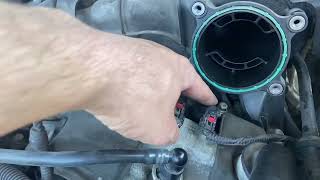
🎬 Watch this step-by-step VVT solenoid replacement walkthroughKnown Issue: GM Special Coverage for 2020 Models
General Motors has issued Special Coverage N232430470 for some 2020 GMC Canyon trucks with the 3.6L V6 engine. This covers the failure of the bank 2 exhaust VVT solenoid. The coverage is for 15 years or 150,000 miles, whichever comes first. If your 2020 model has this specific issue, a GM dealer will diagnose and replace the part at no charge.
Symptoms of a Bad VVT Solenoid

A bad VVT solenoid will almost always trigger a check engine light. Other common symptoms include:
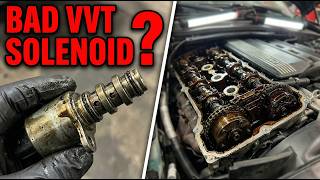
🎬 Watch: 5 symptoms of a bad VVT solenoid to ignore- Rough, Unstable Idle: The truck may shake or feel like it's about to stall when stopped.
- Poor Acceleration: The engine may feel weak or hesitate when you press the gas pedal.
- Decreased Fuel Economy: You may notice you're filling up the gas tank more often.
- Engine Noise: A rattling or ticking sound from the top of the engine can occur, especially at idle. 🎬 See how a solenoid replacement fixes a rough idle
- Stalling: In severe cases, the engine may stall at low speeds.
Choosing the Right Aftermarket VVT Solenoid

When it comes to electronic parts like VVT solenoids, quality matters. While budget parts are available, they can sometimes fail quickly or not work correctly out of the box, causing the same check engine light codes to return. Here’s a breakdown of the brands:
- OEM (ACDelco): This is the original part your truck came with. It's the safest, most reliable choice, though it is the most expensive. Many professional mechanics recommend sticking with OEM for this part to avoid future headaches.
- Premium Aftermarket (Standard Ignition, Gates): Brands like Standard Motor Products (SMP) and Gates have a strong reputation for making high-quality parts that meet or exceed OEM standards. They are an excellent choice if you want to save money without sacrificing reliability.
- Standard Aftermarket (Dorman, Spectra, Walker): These brands are widely available and often more affordable. Dorman is known for making a huge variety of parts, but their quality can sometimes be inconsistent for electronic components. They can be a good budget option, but be aware that some owners have reported issues.
- Budget-Friendly (Skyward, True Tech, etc.): Use caution with the lowest-priced options, especially from online marketplaces. While the price is tempting, some owners report that cheap solenoids fail quickly or don't solve the problem.
Common Ordering Mistake: Know Your Engine!
The V6 engine in the Canyon changed in 2017 from the LFX to the LGZ. The VVT solenoids are different between these engines. There is also a 2.5L 4-cylinder engine. Several owners have reported ordering the wrong parts because catalogs can be confusing. Always verify the part number for your specific year and engine before ordering. The 3.6L V6 uses four solenoids, while the 2.5L I4 uses two.
Cost to Replace a GMC Canyon VVT Solenoid
| Part/Service | Estimated Cost |
|---|---|
| New OEM (ACDelco) Solenoid | $65 - $90 per solenoid |
| New Aftermarket Solenoid | $32.95 - $79.36 per solenoid |
| Shop Labor | $75 - $150 |
| Total (DIY) | $33 - $90 per solenoid |
| Total (Shop Repair) | $110 - $240 per solenoid |
Frequently Asked Questions (FAQ)

How many VVT solenoids does my GMC Canyon have?
The 3.6L V6 engine has four solenoids: two for the intake camshafts and two for the exhaust camshafts. The 2.5L 4-cylinder engine has two solenoids: one intake and one exhaust.
Can I just clean my VVT solenoid?
Sometimes, cleaning the solenoid screens can temporarily fix the issue, especially if the problem is caused by dirty oil. However, if the solenoid has failed electronically or is permanently stuck, cleaning will not work and replacement is necessary.
Is it okay to replace just one bad solenoid?
Yes, you can replace only the failed solenoid. However, they often fail around the same time. If your truck has high mileage and you are already doing the job, many mechanics recommend replacing them in pairs (both intake or both exhaust) or all at once as preventative maintenance.
Why is it important to change my oil when replacing a VVT solenoid?
The most common cause of VVT solenoid failure is contamination from old or dirty engine oil. Replacing the solenoid without changing the oil means the new part will immediately be exposed to the same contaminants that caused the old one to fail. It is highly recommended to perform an oil and filter change at the same time.
Helpful Videos
Technical Specifications
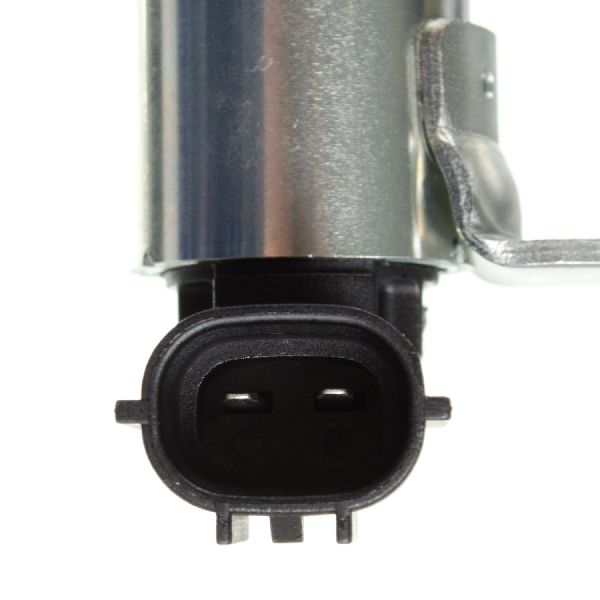
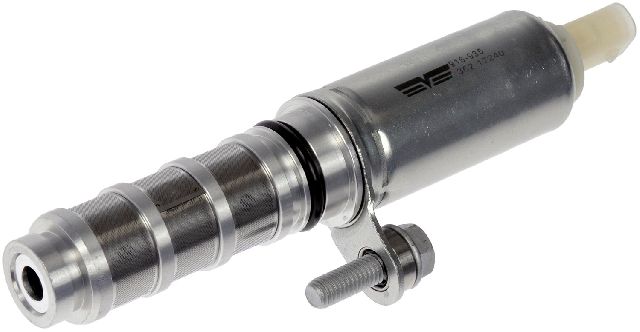
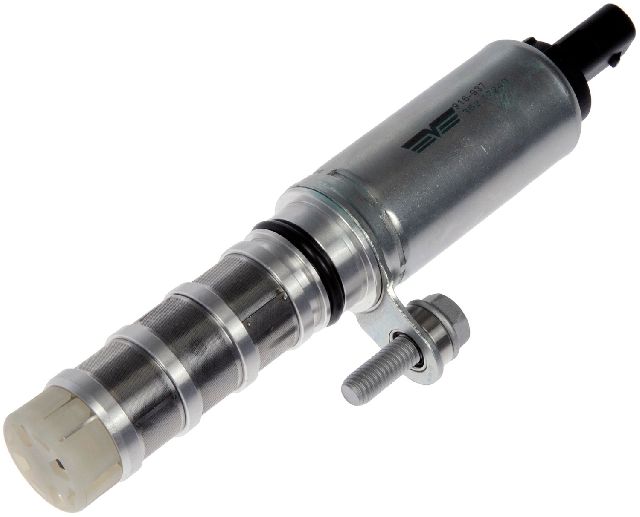
OEM Part Numbers: 12662736 (2.5L Intake) 12662737 (2.5L Exhaust) 12732244 (3.6L LGZ, 2017+) 12636175 (3.6L LFX, pre-2017)
The 3.6L V6 engine uses four identical VVT solenoids. The 2.5L I4 engine uses two solenoids, one for intake and one for exhaust. Each solenoid is held in place by a single 10mm bolt.
We Have This Part in Stock


The information in this article is provided for general reference and educational purposes only. Vehicle specifications, procedures, and part compatibility can vary by production date, trim level, and region. Always consult your vehicle's factory service manual and verify part numbers before purchasing or performing repairs. Safety-critical components such as airbags, seat belts, and braking systems should be installed by a qualified professional.
- GMC Canyon: